


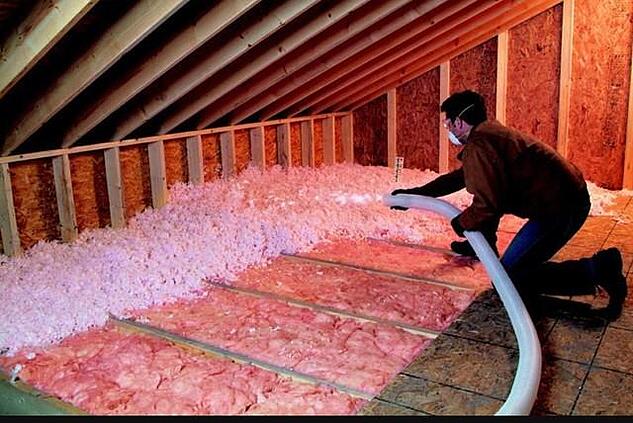
Choosing the right roof insulation for hot climates is essential for keeping homes cool, comfortable, and energy efficient. In regions where temperatures soar, the roof becomes a major source of heat gain, making it crucial to select insulation materials and methods that effectively block and reflect heat. Homeowners and builders alike need to understand which options work best, how they compare, and what factors to consider for long-term performance.
This guide explores the most effective insulation solutions for warm-weather regions, compares material types, and offers practical advice for installation and maintenance. For those looking to ensure their attic insulation remains effective year-round, it’s also helpful to review attic insulation seasonal maintenance strategies to maximize efficiency and comfort.
Why Insulation Matters in Hot Weather
In hot climates, the sun’s rays can quickly raise indoor temperatures, especially through the roof. Without proper insulation, air conditioning systems must work harder, leading to higher energy bills and increased wear on HVAC equipment. The right insulation acts as a barrier, reducing heat transfer and helping maintain a stable indoor environment.
Effective roof insulation for hot climates not only improves comfort but also extends the lifespan of roofing materials by minimizing thermal stress. It can also contribute to better indoor air quality by reducing the risk of condensation and mold growth.
Top Insulation Materials for Warm Regions
Not all insulation products perform equally in high temperatures. The following materials are widely recognized for their ability to combat heat gain and are commonly used in homes located in hot, sunny areas.
Radiant Barriers: Reflecting Solar Heat
Radiant barriers are a popular choice for roof insulation in hot climates because they reflect radiant heat rather than absorbing it. These barriers are typically made from a reflective foil material installed in the attic, either stapled to the underside of the roof or laid over existing insulation.
- Benefits: Significantly reduces heat transfer, lightweight, and easy to install.
- Considerations: Works best when combined with other insulation types; effectiveness depends on proper installation and attic ventilation.
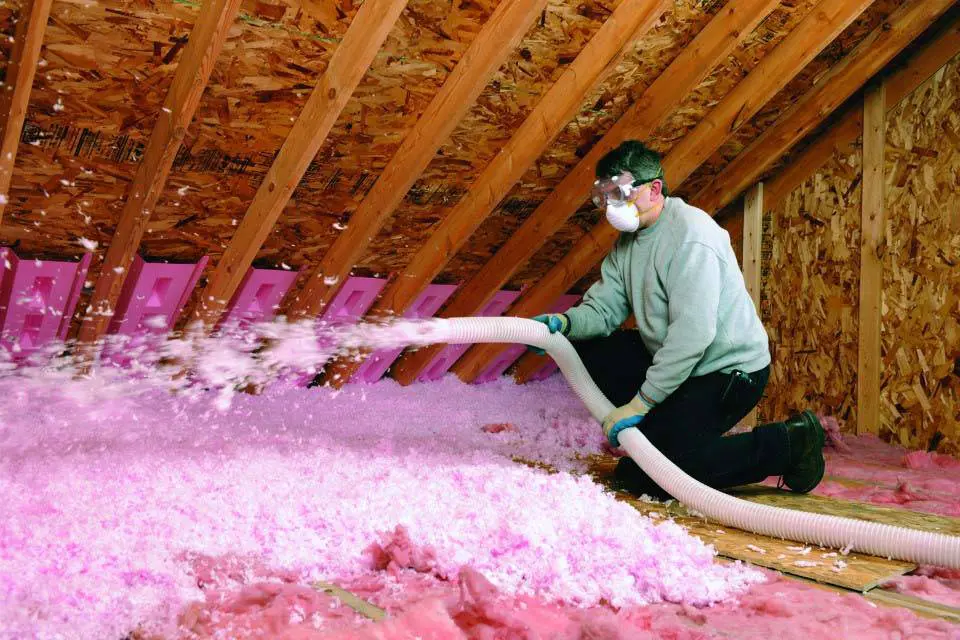
Spray Foam Insulation: Sealing and Insulating in One Step
Spray foam is a versatile solution that expands to fill gaps and cracks, providing both insulation and air sealing. In hot climates, closed-cell spray foam is especially effective due to its high R-value and ability to block moisture.
- Benefits: Excellent thermal resistance, air sealing, and moisture control.
- Considerations: Higher upfront cost, professional installation recommended, and may require ventilation adjustments.
Rigid Foam Boards: Durable and Efficient
Rigid foam boards, such as polyisocyanurate and extruded polystyrene, offer high insulating value and durability. These boards can be installed above or below the roof deck, making them suitable for new construction and retrofits.
- Benefits: High R-value per inch, moisture resistance, and long lifespan.
- Considerations: May require additional fire protection, and installation can be more complex than batt insulation.
Reflective and Cool Roof Systems
In addition to traditional insulation, cool roof systems use highly reflective materials to minimize heat absorption. These can be paired with insulation to further reduce attic temperatures and lower cooling costs.
- Benefits: Reduces roof surface temperature, prolongs roof life, and enhances energy efficiency.
- Considerations: Best results when combined with other insulation types; may require specific roofing materials or coatings.

Key Factors to Consider for Hot Weather Insulation
When selecting roof insulation for hot climates, several important factors should guide your decision:
- R-Value: Indicates the material’s resistance to heat flow. Higher R-values are generally better, but in hot climates, radiant heat reflection is equally important.
- Moisture Resistance: Insulation should resist humidity and prevent condensation, which can lead to mold and structural damage.
- Installation Method: Some products require professional installation, while others are suitable for DIY projects. Proper installation is critical for optimal performance.
- Compatibility: Consider how the insulation will interact with existing roofing materials and ventilation systems.
- Longevity and Maintenance: Choose materials that offer long-term durability and require minimal upkeep.
Installation Tips for Maximum Efficiency
Proper installation is just as important as the choice of material. Here are some practical tips to ensure your insulation performs at its best:
- Seal all gaps and penetrations in the attic to prevent air leaks.
- Ensure adequate attic ventilation to allow heat to escape and prevent moisture buildup.
- Follow manufacturer guidelines for thickness and coverage, especially for radiant barriers and foam products.
- Inspect insulation regularly for signs of damage, settling, or moisture issues.
For a comprehensive approach to maintaining insulation effectiveness, it’s helpful to learn how to maintain attic insulation over time. Regular checks and timely repairs can prevent common issues and extend the life of your investment.
Common Issues and How to Address Them
Even the best insulation can face challenges in hot climates. Homeowners should be aware of potential problems such as:
- Settling or Compression: Some materials, like fiberglass batts, can lose effectiveness if they settle or are compressed.
- Moisture Intrusion: Leaks or poor ventilation can lead to damp insulation, reducing its thermal resistance and promoting mold growth.
- Pest Infestation: Attics can attract rodents or insects, which may damage insulation.
Addressing these issues promptly is key. For more on identifying and fixing these problems, see this guide on attic insulation common problems.
Frequently Asked Questions
What is the most effective type of roof insulation for hot climates?
The most effective solutions often combine a radiant barrier with high R-value insulation, such as spray foam or rigid foam boards. This approach blocks radiant heat and reduces conductive heat transfer, keeping attics and living spaces cooler.
How often should attic insulation be inspected in warm regions?
It’s recommended to inspect attic insulation at least once a year, ideally before the hottest months. Look for signs of settling, moisture, or pest activity. For a step-by-step process, check out how to inspect attic insulation.
Can I install insulation myself, or should I hire a professional?
Some insulation types, like radiant barriers and batt insulation, are suitable for DIY installation. However, spray foam and certain rigid foam applications require specialized equipment and expertise. When in doubt, consult a professional to ensure safety and effectiveness.
What are the signs that insulation needs to be replaced?
Common indicators include uneven indoor temperatures, rising energy bills, visible damage or moisture, and pest infestations. For more details, see the article on attic insulation replacement signs.
Selecting the right roof insulation for hot climates is a smart investment that pays off in comfort, energy savings, and home durability. By understanding your options and maintaining your insulation, you can keep your home cool and efficient for years to come.


