


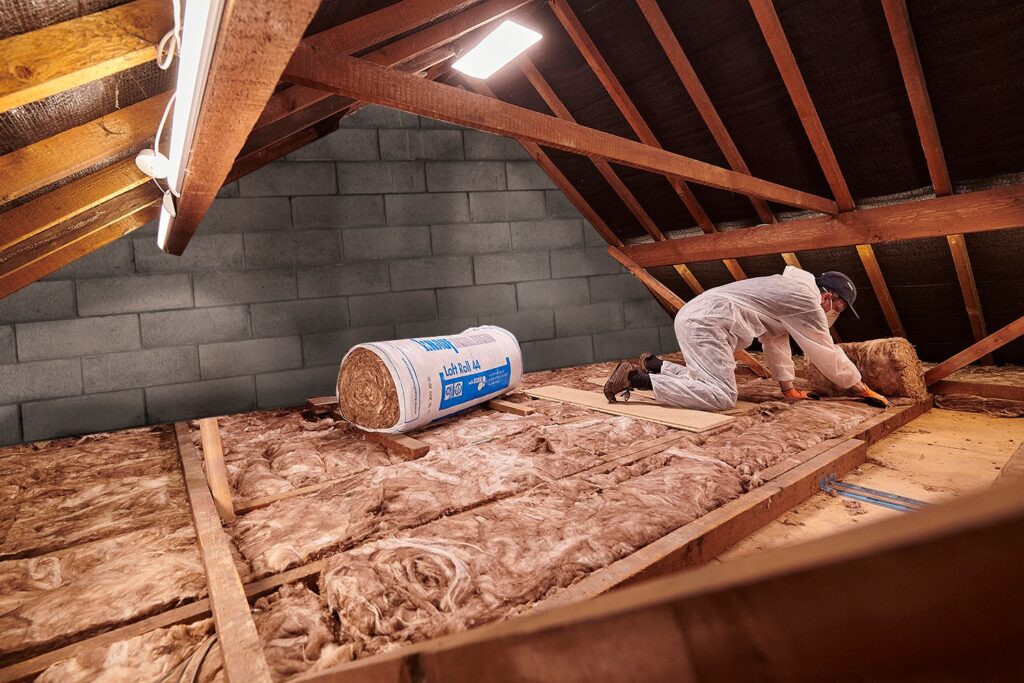
Improving your home’s energy performance starts at the top. Roof insulation for energy efficiency is one of the most effective ways to reduce heat loss, lower utility bills, and create a more comfortable living environment year-round. Whether you’re building a new house or upgrading an existing property, the right approach to insulating your roof can make a significant difference in both comfort and cost savings.
In this guide, we’ll explore the essentials of insulating your roof, the types of materials available, installation tips, and how proper insulation supports a sustainable home. If you’re interested in keeping your attic insulation in top shape throughout the year, check out our advice on attic insulation seasonal maintenance for practical tips.
Why Insulating Your Roof Matters for Energy Savings
The roof is a major source of heat transfer in most homes. In winter, warm air rises and escapes through the attic or roof, while in summer, solar heat can penetrate and raise indoor temperatures. Without adequate insulation, your heating and cooling systems must work harder, leading to higher energy consumption and increased utility costs.
By adding or upgrading insulation in your roof space, you create a barrier that slows the movement of heat. This keeps your home warmer in cold months and cooler during hot weather, reducing the need for artificial heating and cooling. Over time, this investment pays off through lower bills and a reduced carbon footprint.
Types of Roof Insulation Materials
There are several options when it comes to choosing insulation for your roof. The best choice depends on your budget, climate, and the structure of your home. Here are some common materials used for roof insulation for energy efficiency:
- Fiberglass Batts and Rolls: Widely used due to affordability and ease of installation. They fit between rafters and joists but require careful placement to avoid gaps.
- Blown-In Cellulose: Made from recycled paper, this loose-fill insulation is ideal for attics with irregular shapes or obstructions. It provides good coverage and thermal performance.
- Spray Foam: Expands to fill gaps and cracks, offering excellent air sealing and high R-values. It’s more expensive but delivers superior energy efficiency.
- Rigid Foam Boards: These panels offer high insulation value per inch and are often used in new construction or major renovations.
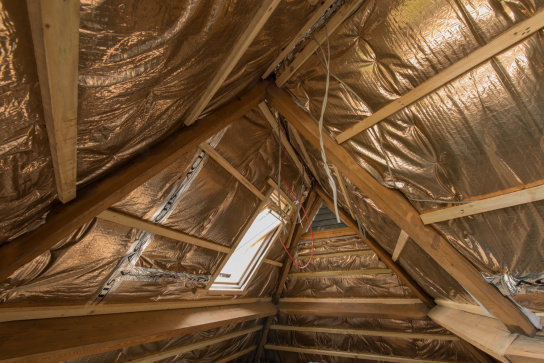
- Reflective Foil Insulation: Especially useful in hot climates, this material reflects radiant heat away from the home.
How Proper Roof Insulation Improves Home Efficiency
The primary function of roof insulation is to slow the transfer of heat between your living space and the outside environment. Here’s how effective insulation benefits your home:
- Reduces Heat Loss: Insulation acts as a thermal barrier, keeping warmth inside during winter and preventing heat from entering during summer.
- Lowers Energy Bills: With less heat escaping or entering, your HVAC system runs less often, resulting in noticeable savings.
- Enhances Comfort: Consistent indoor temperatures mean fewer drafts and cold spots.
- Supports Sustainability: Lower energy use means a smaller environmental impact and reduced greenhouse gas emissions.
- Protects Roof Structure: Insulation helps prevent condensation, which can lead to mold, rot, and structural damage.
For more tips on keeping your insulation working efficiently, see our guide on how to maintain attic insulation.
Installation Tips for Maximizing Energy Efficiency
Whether you’re tackling the project yourself or hiring a professional, proper installation is key to getting the most from your investment in roof insulation for energy efficiency. Here are some practical tips:
- Seal Air Leaks First: Before adding insulation, use caulk or expanding foam to seal gaps around pipes, vents, and wiring. This prevents warm air from bypassing the insulation.
- Choose the Right R-Value: The R-value measures insulation’s resistance to heat flow. Colder climates require higher R-values. Check local building codes for recommendations.
- Install Without Compression: Insulation works best when it’s fluffy and uncompressed. Avoid squashing batts or rolls, as this reduces effectiveness.
- Ensure Even Coverage: Fill all gaps and corners, especially around the eaves and edges, to prevent thermal bridging.
- Maintain Ventilation: Proper attic ventilation prevents moisture buildup and helps insulation perform optimally.

Common Issues and Maintenance for Roof Insulation
Over time, even the best insulation can experience problems such as settling, moisture intrusion, or pest damage. Regular inspections and timely repairs help maintain optimal energy performance.
If you notice uneven temperatures, higher energy bills, or visible damage in your attic, it may be time to review your insulation. Learn how to spot potential problems by reading about attic insulation common problems and their solutions.
Periodic checks and maintenance can extend the lifespan of your insulation. For step-by-step advice, see our resource on how to inspect attic insulation.
When to Replace or Upgrade Your Roof Insulation
Insulation doesn’t last forever. If your home is older, or if you’ve experienced leaks, pests, or renovations, it might be time to upgrade. Signs that you may need new insulation include:
- Noticeable drafts or cold spots in upper rooms
- Rising heating and cooling costs
- Visible mold, mildew, or water stains in the attic
- Compressed, damp, or damaged insulation material
For a full list of warning signs and what to do next, check our article on attic insulation replacement signs.
Frequently Asked Questions
How much can I save on energy bills with roof insulation?
The exact savings depend on your home’s size, climate, and current insulation levels. On average, homeowners can reduce heating and cooling costs by 15–25% with effective roof insulation. The investment often pays for itself within a few years through lower utility bills.
Is it better to insulate the attic floor or the roof deck?
Insulating the attic floor is common for homes with unconditioned attics, as it keeps living spaces below comfortable. Insulating the roof deck is preferable if you plan to use the attic as living space or if HVAC equipment is located there. Each approach has its own benefits for roof insulation for energy efficiency.
Can I install roof insulation myself, or should I hire a professional?
Many homeowners can install batt or roll insulation themselves with basic tools and safety precautions. However, for spray foam, blown-in materials, or if there are moisture or structural concerns, it’s wise to consult a professional to ensure proper installation and maximum energy efficiency.


