Choosing the right roof insulation for cold climates is essential for maintaining warmth, reducing energy bills, and protecting your home from harsh winter conditions. With so many materials and installation methods available, homeowners often wonder which options deliver the best performance in regions where freezing temperatures and snow are common. This article explores the most effective solutions, compares their benefits, and provides practical advice for making an informed decision.
Proper insulation not only keeps your living spaces comfortable but also helps prevent issues like ice dams, condensation, and heat loss through the attic. Whether you are building a new house or upgrading an existing one, understanding the strengths and weaknesses of each insulation type will help you maximize efficiency and long-term value.
For those looking to maintain peak performance throughout the seasons, it’s important to stay proactive. You can learn more about attic insulation seasonal maintenance to ensure your insulation remains effective year-round.
Why Insulation Matters Most in Cold Regions
In areas with long, cold winters, the roof is a major point of heat loss. Warm air naturally rises, and without adequate insulation, it escapes through the attic and roof, forcing heating systems to work harder. This not only increases energy consumption but can also lead to uneven temperatures inside the home and higher utility costs.
Effective roof insulation for cold climates acts as a barrier, trapping heat inside and blocking the intrusion of cold air. It also plays a crucial role in preventing ice dams, which form when heat escaping from the roof melts snow that then refreezes at the eaves, causing water damage and structural issues.
Top Materials for Roof Insulation in Cold Weather
When selecting insulation, consider factors such as R-value (thermal resistance), moisture resistance, installation method, and cost. Here are the most popular options for homes in colder regions:
Fiberglass Batts and Rolls
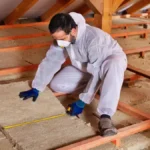
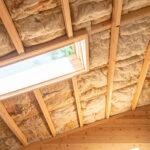
Fiberglass remains a common choice due to its affordability and ease of installation. Available in pre-cut batts or rolls, it fits snugly between attic joists and rafters. With R-values typically ranging from R-30 to R-49, fiberglass provides solid thermal protection when installed correctly.
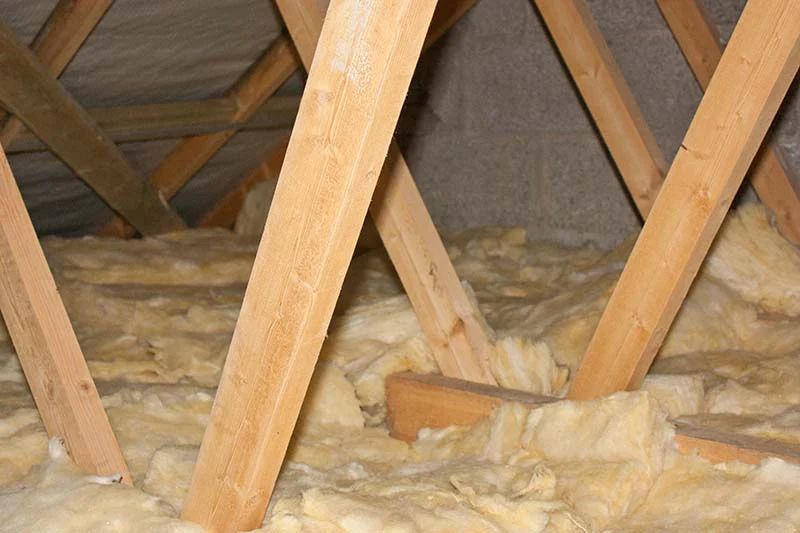
- Pros: Cost-effective, widely available, easy to handle for DIY projects.
- Cons: Can lose effectiveness if compressed or exposed to moisture; gaps can reduce performance.
Blown-In Cellulose Insulation
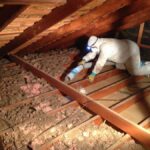
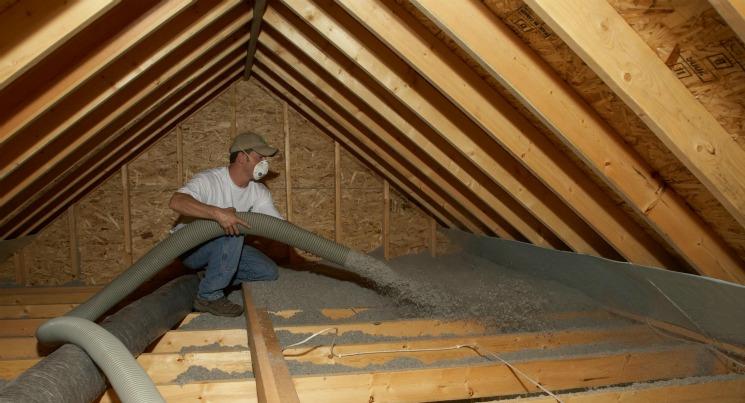
Made from recycled paper treated with fire retardants, blown-in cellulose is ideal for filling irregular or hard-to-reach spaces. It offers excellent coverage and a high R-value per inch, making it a strong contender for cold climates.
- Pros: Fills gaps and voids, good for retrofits, environmentally friendly.
- Cons: Can settle over time, may absorb moisture if not properly sealed.
Spray Foam Insulation
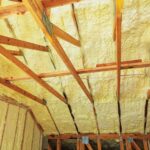
Spray foam is known for its superior air-sealing properties and high R-value. It expands to fill cracks and crevices, creating an effective barrier against heat loss and drafts. Closed-cell spray foam, in particular, is well-suited for cold environments due to its moisture resistance and structural strength.
- Pros: Highest R-value per inch, acts as both insulation and air barrier, resists moisture.
- Cons: More expensive, requires professional installation, may not be suitable for all roof types.
Rigid Foam Board Insulation
Rigid foam boards, such as polyisocyanurate, extruded polystyrene (XPS), and expanded polystyrene (EPS), offer high insulating value and moisture resistance. These boards can be installed above or below the roof deck, making them versatile for both new construction and retrofits.
- Pros: High R-value, resists moisture, can add structural strength.
- Cons: More labor-intensive to install, seams must be sealed to prevent air leaks.
Key Factors When Choosing Insulation for Cold Weather
Selecting the best roof insulation for cold climates involves more than just picking a material. Consider these important factors:
- R-Value: Higher R-values offer greater resistance to heat flow. For cold regions, aim for R-49 or higher in attics.
- Moisture Control: Insulation must resist moisture to prevent mold and loss of performance. Vapor barriers may be necessary.
- Air Sealing: Gaps and leaks can undermine even the best insulation. Use caulk or spray foam to seal penetrations and joints.
- Installation Quality: Proper installation is crucial. Poorly installed insulation leaves gaps and reduces effectiveness.
- Budget and Longevity: Weigh upfront costs against long-term energy savings and durability.
Installation Tips for Maximum Efficiency
Achieving optimal performance from your insulation requires careful planning and attention to detail. Here are some practical tips:
- Seal all air leaks before adding insulation. Pay special attention to attic hatches, plumbing vents, and electrical penetrations.
- Install insulation evenly, avoiding gaps, compression, or voids that can create cold spots.
- Ensure proper ventilation to prevent moisture buildup. Baffles can help maintain airflow at the eaves.
- Protect insulation from moisture by using vapor barriers where appropriate.
- Check local building codes for minimum R-value requirements and recommended materials.
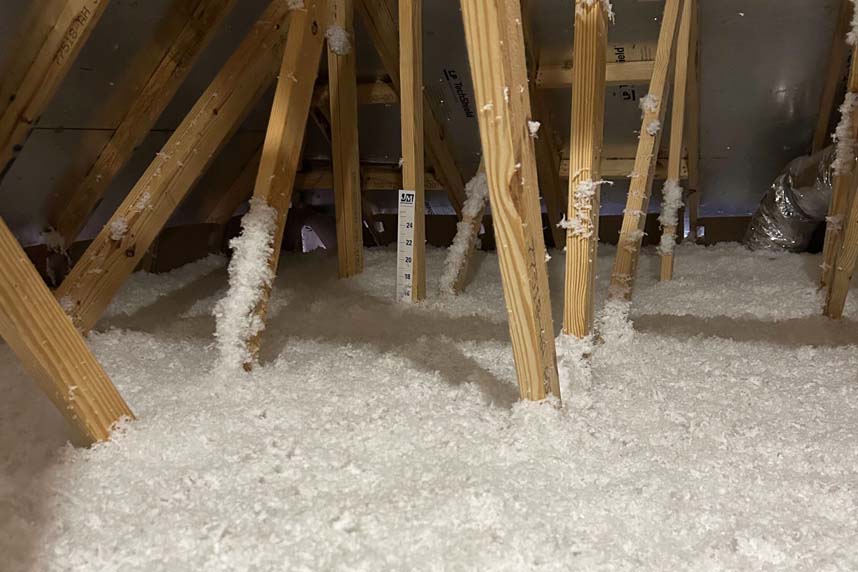
Regular inspections are also important. If you’re unsure how to evaluate your attic’s condition, refer to this guide on how to inspect attic insulation for step-by-step instructions.
Common Issues and How to Address Them
Even the best insulation can encounter problems over time. Homeowners in cold climates should watch for:
- Settling or Compression: Over time, some materials may settle, reducing their effectiveness. Top up insulation as needed.
- Moisture and Mold: Leaks or poor ventilation can lead to dampness and mold growth. Address roof leaks promptly and ensure proper airflow.
- Pest Intrusion: Rodents and insects can damage insulation. Seal entry points and monitor for signs of infestation.
- Thermal Bridging: Gaps or uninsulated framing can allow heat to escape. Use continuous insulation or spray foam to minimize these bridges.
For more troubleshooting advice, see this resource on attic insulation common problems and effective solutions.
Maintaining Your Insulation for Long-Term Performance
Regular maintenance helps preserve the effectiveness of your roof insulation for cold climates. Inspect your attic at least once a year for signs of damage, moisture, or pest activity. Replace or repair insulation as needed to maintain optimal thermal protection.
If you notice drafts, uneven temperatures, or increased energy bills, it may be time to upgrade or replace your insulation. Learn to recognize attic insulation replacement signs so you can act before problems worsen.
For tips on keeping your insulation in top shape, check out this guide on how to maintain attic insulation for long-term results.
Frequently Asked Questions
What R-value is recommended for attics in cold climates?
Most experts recommend an R-value of at least R-49 for attics in regions with cold winters. This level of insulation helps minimize heat loss and keeps your home comfortable even during extreme weather.
Can I install new insulation over old insulation?
In many cases, you can add new insulation on top of existing material, provided the old insulation is dry, free of mold, and not compressed. Be sure to address any underlying issues before adding more layers.
How do I know if my roof insulation needs to be replaced?
Signs that your insulation may need replacement include persistent drafts, uneven heating, visible mold or moisture, pest infestations, or insulation that is visibly compressed or deteriorated. Regular inspections can help you catch these issues early.