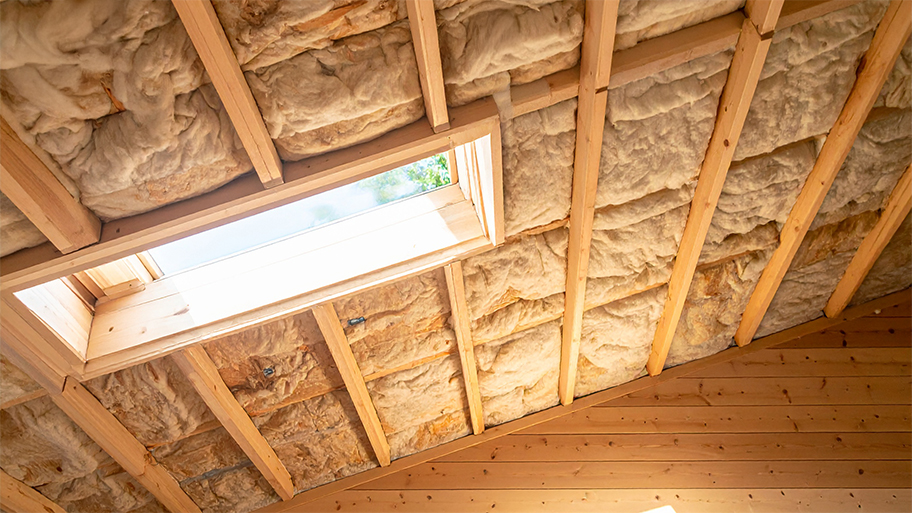
Condensation is a common but often overlooked issue in homes, especially in attics and under roofs. When warm, moist air meets a cold surface, water droplets can form—leading to dampness, mold, and even structural damage over time. The right roof insulation condensation solutions can make a significant difference in preventing these problems, ensuring your home stays dry, comfortable, and energy efficient.
Understanding how moisture interacts with insulation materials and roof structures is essential for any homeowner or builder. By choosing the right materials and following best practices, you can reduce the risk of condensation and protect your investment for years to come. For a deeper dive into the relationship between insulation and moisture, you may want to explore roof insulation and moisture control strategies.
Understanding Condensation in Roof Spaces
Before exploring effective roof insulation condensation solutions, it’s important to grasp why condensation occurs in the first place. In most homes, daily activities such as cooking, bathing, and even breathing release moisture into the air. This humid air rises and can become trapped in the attic or roof space if not properly ventilated or insulated.
When this warm, moist air encounters a cold roof surface—especially during winter—it cools rapidly. The drop in temperature causes the moisture to condense into water droplets. Over time, this can lead to visible damp patches, mold growth, wood rot, and reduced effectiveness of your insulation.
Key Causes of Moisture Build-Up in Attics
Several factors can contribute to excess moisture in your roof space:
- Inadequate ventilation: Without proper airflow, humid air lingers and increases condensation risk.
- Poorly installed insulation: Gaps or compressed areas allow warm air to reach cold surfaces.
- Air leaks: Unsealed openings around pipes, wiring, or attic hatches let moist indoor air escape into the roof space.
- Weather conditions: Sudden temperature drops or prolonged cold spells can make condensation worse.
Best Practices for Roof Insulation and Moisture Management
Implementing the right roof insulation condensation solutions involves a combination of material selection, installation techniques, and ongoing maintenance. Here are some proven strategies:
Choose the Right Insulation Material
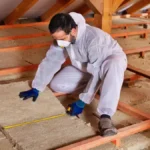
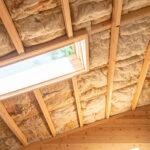
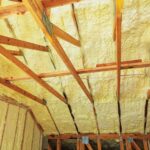
Not all insulation types perform equally when it comes to moisture control. Materials like fiberglass, mineral wool, and spray foam each have unique properties. For example, fiberglass and mineral wool are breathable and allow some moisture to pass through, while closed-cell spray foam acts as a vapor barrier, blocking moisture entirely.
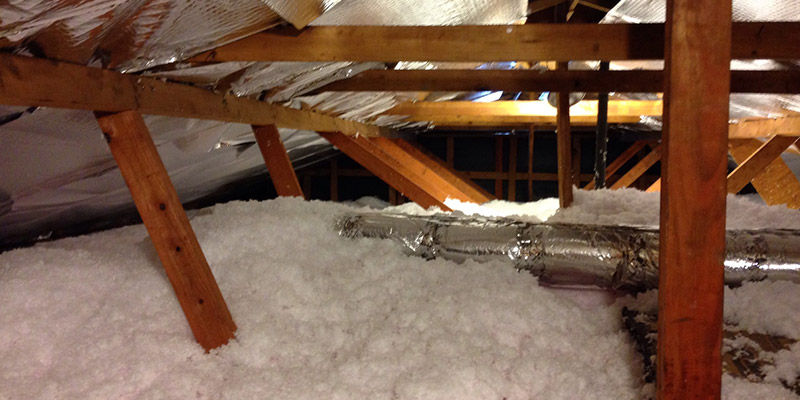
The best choice often depends on your climate and roof structure. For homes in colder regions, you might want to review roof insulation for cold climates to find materials that balance thermal performance and moisture resistance.
Install a Vapor Barrier Where Needed
A vapor barrier is a layer of material—often plastic sheeting—installed on the warm side of the insulation. Its purpose is to prevent indoor moisture from reaching the cold roof surface. In some climates, especially those with high humidity, a vapor barrier is essential for effective condensation control.
However, it’s important to install vapor barriers correctly. Improper placement or incomplete coverage can actually trap moisture, making problems worse. Consult building codes or a professional for guidance on the right approach for your home.
Ensure Proper Ventilation
Even the best insulation can’t prevent condensation if humid air has nowhere to go. Ridge vents, soffit vents, and gable vents all help maintain airflow, carrying moist air out of the attic. This reduces the chance of water droplets forming on cold surfaces.
Regularly check that vents are not blocked by insulation, debris, or nesting animals. Balanced ventilation—where intake and exhaust are matched—is key for optimal performance.
Installation Tips for Effective Condensation Solutions
Proper installation is just as important as material choice. Here are some practical tips to maximize the effectiveness of your roof insulation condensation solutions:
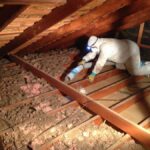
- Seal all gaps and penetrations: Use caulk or expanding foam to close openings around pipes, wiring, and attic hatches. This keeps warm, moist air from leaking into the roof space.
- Avoid compressing insulation: Squashed insulation loses its effectiveness and can create cold spots where condensation forms.
- Install insulation evenly: Gaps or uneven coverage can allow warm air to bypass insulation and reach cold surfaces.
- Check for existing moisture problems: Before adding new insulation, address any leaks or signs of mold to prevent trapping moisture inside the structure.
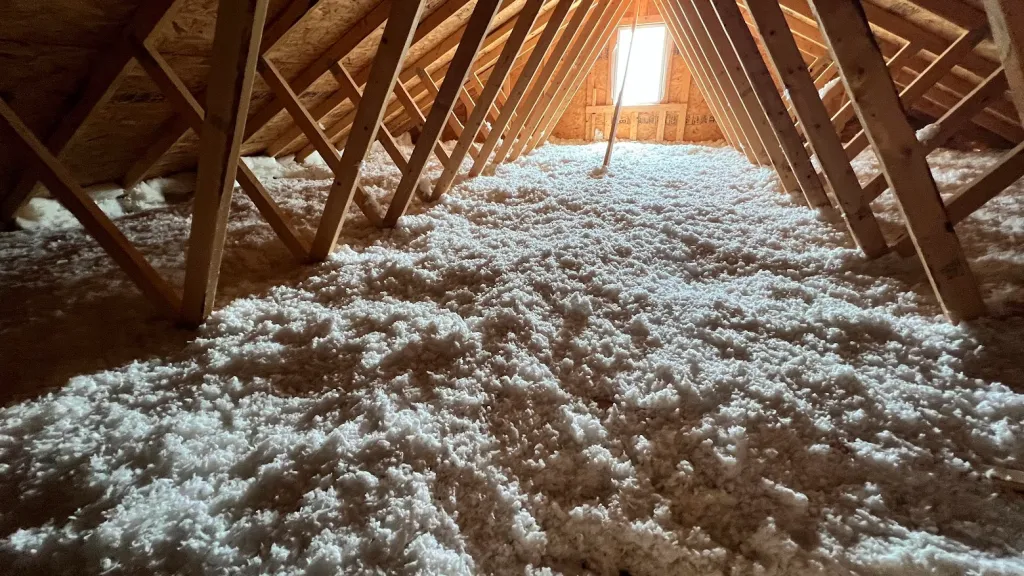
For those living in warmer regions, insulation strategies can differ. Learn more about roof insulation for hot climates to ensure your approach matches your environment.
Maintaining Your Roof Insulation System
Ongoing maintenance is crucial for keeping condensation at bay. Periodically inspect your attic for signs of moisture, such as damp insulation, water stains, or musty odors. Address any roof leaks promptly and ensure that all vents remain clear and functional.
If you notice persistent condensation despite following best practices, consider consulting a professional. They can assess your home’s unique conditions and recommend advanced roof insulation condensation solutions tailored to your needs.
Additional Resources for Homeowners
For a comprehensive look at how insulation can improve your home’s energy performance, see roof insulation for energy efficiency. If you want a focused discussion on how insulation combats moisture problems, roof insulation and condensation prevention offers practical advice and case studies.
Frequently Asked Questions
How do I know if my attic has a condensation problem?
Common signs include water droplets on rafters, damp or matted insulation, mold growth, and a musty smell. You may also notice peeling paint or water stains on ceilings below the attic. Regular inspections, especially after cold nights, can help catch issues early.
Can adding more insulation fix condensation issues?
Adding insulation can help, but it’s not a cure-all. If ventilation is poor or air leaks are present, simply increasing insulation may trap moisture and worsen the problem. A balanced approach—combining insulation, air sealing, and ventilation—is most effective.
Is a vapor barrier always necessary in roof insulation?
Not in every case. The need for a vapor barrier depends on your local climate, roof design, and insulation material. In cold, humid climates, vapor barriers are often recommended. In warmer or drier regions, they may not be needed and could even cause issues if incorrectly installed.
What is the best insulation type for preventing condensation?
There’s no one-size-fits-all answer. Closed-cell spray foam provides excellent moisture resistance, while fiberglass and mineral wool offer breathability. The best choice depends on your climate, roof structure, and budget.
How often should I check my attic for condensation?
It’s wise to inspect your attic at least twice a year—once before winter and once in spring. After severe weather or if you notice changes in indoor air quality, check more frequently.