


Managing your home’s temperature and energy efficiency depends heavily on the relationship between roof insulation and ventilation. While insulation helps keep heat inside during winter and blocks it out during summer, proper airflow ensures that moisture and excess heat don’t build up in your attic or roof space. Understanding how these two systems work together is essential for maintaining a comfortable, healthy, and long-lasting home.
Many homeowners focus on adding insulation to reduce energy bills, but neglecting ventilation can lead to problems like mold, ice dams, and even structural damage. In this article, you’ll learn how insulation and airflow complement each other, what can go wrong if they’re not balanced, and how to optimize both for the best results.
If you’re interested in keeping your attic performing at its best year-round, consider reading about attic insulation seasonal maintenance for more practical tips.
The Basics of Roof Insulation and Ventilation
At its core, roof insulation and ventilation serve two distinct but interconnected purposes. Insulation acts as a barrier to heat flow, helping to keep your home warm in winter and cool in summer. Ventilation, on the other hand, allows air to circulate through the attic or roof space, carrying away moisture and excess heat.
When these two systems work together, they create a balanced environment that protects your home from temperature extremes, moisture buildup, and energy loss. However, if either system is lacking, you may face issues such as condensation, mold growth, or higher utility costs.
How Insulation Functions in the Roof System
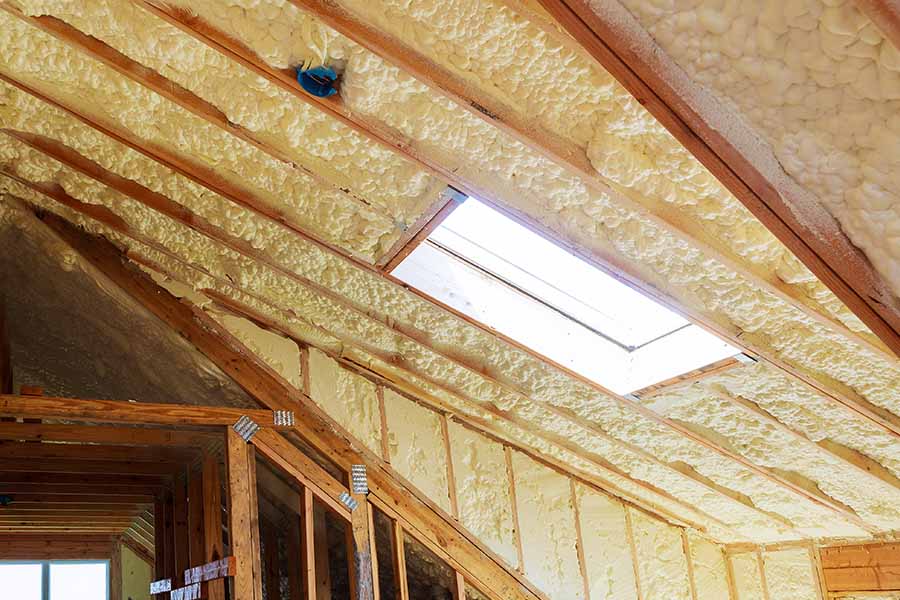
Insulation materials—such as fiberglass batts, cellulose, or spray foam—are installed between the rafters or on the attic floor to slow the transfer of heat. This helps maintain a consistent indoor temperature, reducing the workload on your heating and cooling systems.
The effectiveness of insulation is measured by its R-value, which indicates its resistance to heat flow. The higher the R-value, the better the material insulates. However, even the best insulation can be compromised if moisture accumulates, which is where proper airflow becomes crucial.
Why Ventilation Is Essential for Roof Health
Without adequate ventilation, warm, moist air from your living spaces can rise into the attic and become trapped. Over time, this can lead to condensation on rafters and roof sheathing, promoting mold growth and wood rot. In colder climates, poor airflow can also contribute to ice dam formation, where melting snow refreezes at the eaves and causes water to back up under the shingles.
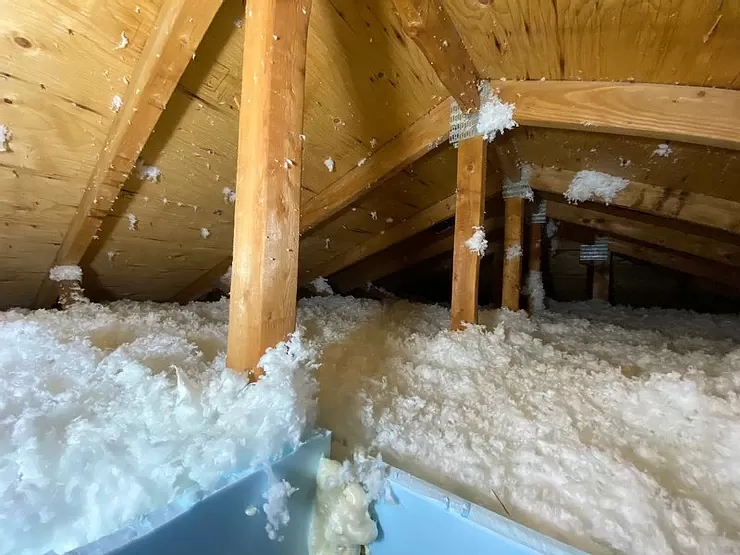
Proper ventilation typically involves a combination of intake vents (such as soffit vents) and exhaust vents (like ridge or gable vents). This setup allows cool, dry air to enter at the eaves and warm, moist air to exit at the roof peak, maintaining a balanced environment.
How Insulation and Ventilation Work Together
The synergy between roof insulation and ventilation is what keeps your attic dry, energy-efficient, and structurally sound. Insulation prevents heat from escaping in winter and entering in summer, while ventilation removes any moisture or excess heat that does make its way into the attic.
When both systems are properly installed and maintained, you benefit from lower energy bills, fewer repairs, and a healthier indoor environment. However, if insulation blocks airflow or vents are obstructed, the system can fail, leading to a host of issues.
Common Problems When Balance Is Lacking
- Mold and Mildew: Moisture trapped in the attic can lead to unhealthy mold growth.
- Ice Dams: Inadequate airflow allows heat to melt snow on the roof, which then refreezes at the eaves.
- High Energy Bills: Poor insulation or blocked vents force HVAC systems to work harder.
- Roof Damage: Persistent moisture can weaken roof decking and shorten shingle lifespan.
For more on identifying and addressing these issues, check out advice on attic insulation common problems.
Best Practices for Combining Insulation and Ventilation
To get the most out of your roof system, follow these practical steps:
- Choose the Right Insulation: Select materials with appropriate R-values for your climate and ensure they’re installed without blocking airflow at the eaves.
- Install Baffles: Use rafter vents (baffles) to keep insulation from covering soffit vents, ensuring continuous airflow from the eaves to the roof peak.
- Maintain Clear Vents: Regularly inspect intake and exhaust vents for blockages caused by insulation, debris, or pests.
- Monitor Moisture Levels: Use a hygrometer to check attic humidity and address leaks or condensation promptly.
- Schedule Routine Inspections: Periodically check your attic for signs of moisture, mold, or insulation settling.
For step-by-step guidance, you might find resources on how to inspect attic insulation particularly useful.
Signs Your Roof System Needs Attention
Even with the best setup, issues can arise over time. Watch for these warning signs:
- Musty odors or visible mold in the attic
- Ice dams forming along the roof edge in winter
- Uneven temperatures or drafts in living spaces
- Peeling paint or water stains on ceilings
- Noticeable increase in heating or cooling costs
If you notice any of these, it may be time to review your insulation and airflow setup. For more details on when to upgrade, see the guide on attic insulation replacement signs.
Maintaining Your Roof’s Insulation and Airflow
Regular maintenance is key to ensuring your roof system continues to perform efficiently. Here are some tips:
- Check insulation for settling or gaps, and add more if needed.
- Inspect vents for obstructions at least twice a year.
- Seal any air leaks between your living space and attic to prevent warm, moist air from entering.
- Address roof leaks promptly to prevent water damage to insulation.
For a comprehensive approach, the article on how to maintain attic insulation offers actionable advice.
FAQ: Roof Insulation and Ventilation
Why is it important to balance insulation and ventilation in the roof?
Balancing these systems prevents moisture buildup, mold growth, and structural damage while maximizing energy efficiency. Insulation keeps your home comfortable, and proper airflow removes excess heat and humidity.
Can too much insulation cause problems?
Yes. Over-insulating or blocking vents can restrict airflow, leading to trapped moisture and potential mold or rot. Always ensure that vents remain unobstructed when adding or upgrading insulation.
How often should I inspect my attic for insulation and ventilation issues?
It’s recommended to check your attic at least twice a year—once in spring and once in fall. Look for signs of moisture, mold, blocked vents, or insulation gaps, and address any problems promptly.


