Proper roof insulation and moisture control are fundamental for maintaining a comfortable, energy-efficient, and durable home. Without the right measures in place, homeowners may face higher utility bills, uncomfortable indoor temperatures, and even costly structural damage caused by excess humidity or water infiltration. Understanding how insulation and moisture management work together is key to protecting your property and ensuring long-term performance of your roofing system.
This guide covers the basics of effective insulation, strategies for managing moisture, and practical steps to keep your attic and roof in optimal condition. If you’re looking for more detailed seasonal advice, check out our resource on attic insulation seasonal maintenance to help you adapt your approach throughout the year.
Why Proper Insulation and Moisture Management Matter
The combination of roof insulation and effective moisture control forms the backbone of a healthy attic and roofing system. Insulation acts as a barrier that slows heat transfer, keeping your living spaces warmer in winter and cooler in summer. However, without proper moisture management, insulation can lose its effectiveness and even become a breeding ground for mold and mildew.
Moisture can enter your attic through air leaks, condensation, or roof leaks. Over time, trapped humidity can damage insulation, weaken structural elements, and create an environment for pests. By addressing both insulation and moisture, you can improve indoor comfort, reduce energy costs, and extend the lifespan of your roof.
Types of Roof Insulation and Their Benefits
Choosing the right insulation material is crucial for maximizing energy efficiency and controlling moisture. Here are some common types used in residential roofing:
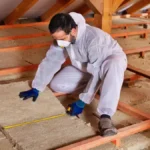
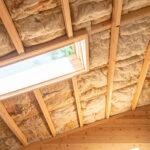
- Fiberglass batts: Widely used due to affordability and ease of installation. They provide good thermal resistance but must be installed carefully to avoid gaps.
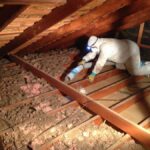
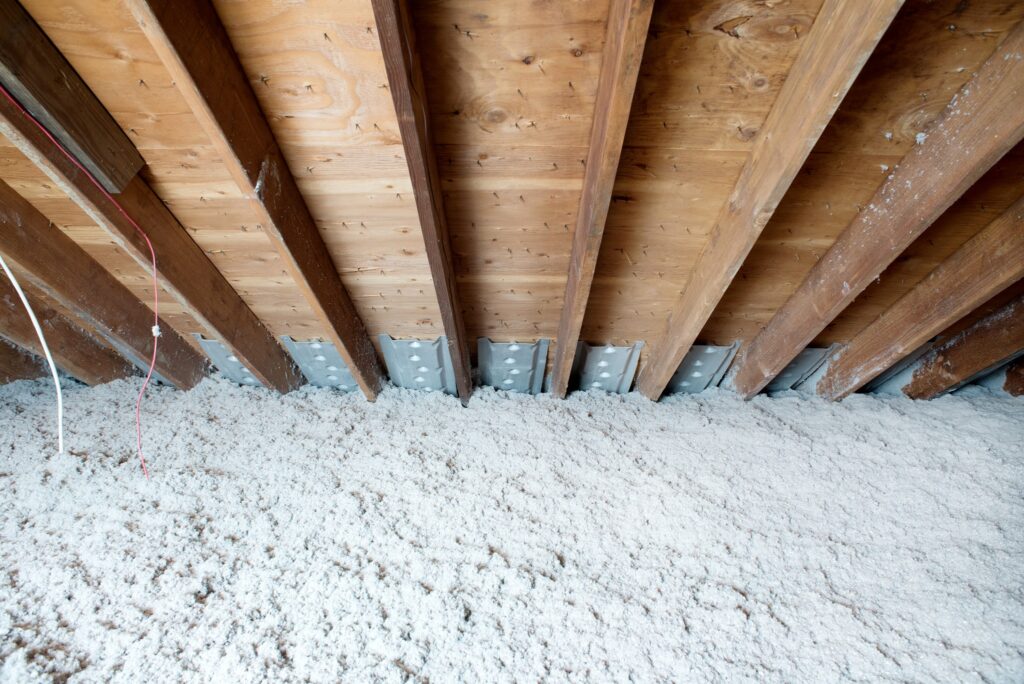
- Blown-in cellulose: Made from recycled paper, this loose-fill option fills irregular spaces and provides excellent coverage, but can absorb moisture if not properly protected.
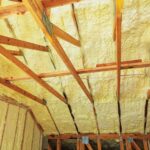
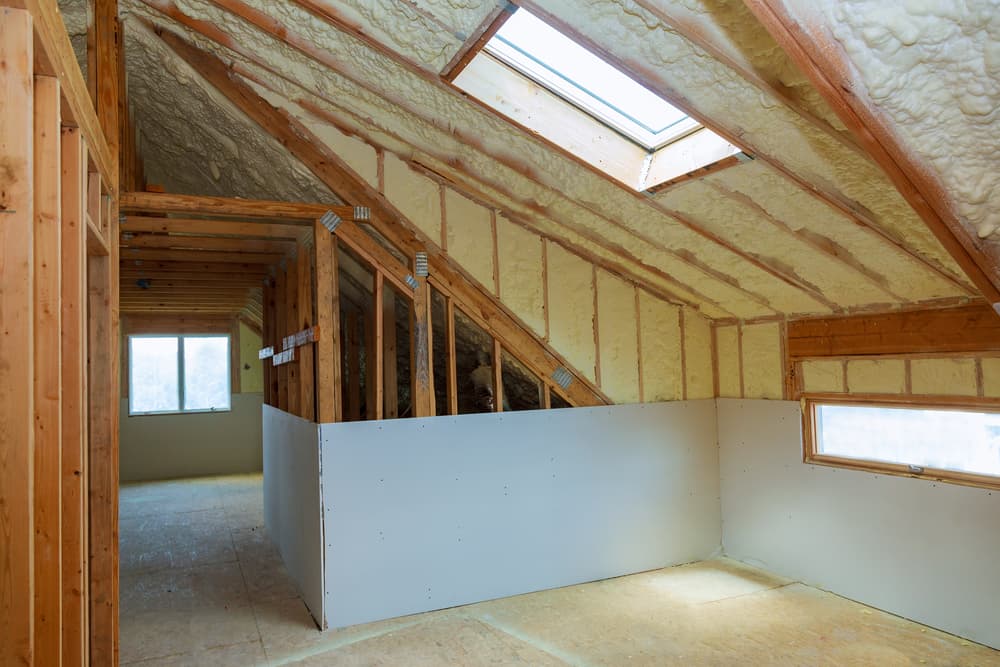
- Spray foam: Expands to seal gaps and cracks, offering both insulation and air sealing. Closed-cell spray foam also acts as a vapor barrier, making it effective for moisture control.
- Rigid foam boards: Offer high insulating value per inch and are often used in combination with other materials for added protection.
Key Steps for Effective Roof Insulation and Moisture Control
To achieve the best results, it’s important to approach insulation and moisture management as an integrated system. Here are the main steps to follow:
- Seal air leaks: Before adding or upgrading insulation, use caulk or spray foam to seal gaps around pipes, vents, chimneys, and electrical wiring. This prevents warm, moist air from entering the attic and condensing on cold surfaces.
- Install vapor barriers: In colder climates, a vapor barrier on the warm side of the insulation helps prevent indoor moisture from reaching the attic. Materials like polyethylene sheets or specialized paints can serve this purpose.
- Ensure proper ventilation: Balanced attic ventilation allows moist air to escape and fresh air to circulate. Soffit and ridge vents are commonly used to maintain airflow and reduce condensation risk.
- Choose the right insulation: Select a material with the appropriate R-value for your climate and roof structure. Consider moisture-resistant options if your area is prone to high humidity.
- Maintain and inspect regularly: Periodically check for signs of moisture, such as water stains, mold, or compressed insulation. Promptly address any issues to prevent long-term damage.
For more on keeping your attic insulation in top shape, you might find our article on how to maintain attic insulation helpful for long-term performance.
Common Moisture Issues in Attics and Roofs
Even with the best materials, problems can arise if moisture is not properly managed. Some of the most frequent issues include:
- Condensation: Warm, humid air from living spaces rises and condenses on cold attic surfaces, leading to damp insulation and wood rot.
- Roof leaks: Damaged shingles, flashing, or underlayment can allow water to enter, saturating insulation and causing structural deterioration.
- Poor ventilation: Inadequate airflow traps moisture, increasing the risk of mold and mildew growth.
- Blocked soffit vents: Insulation that covers vents can restrict airflow and worsen moisture problems.
How to Identify and Address Moisture Problems
Early detection is crucial for preventing extensive damage. Here are signs that moisture may be affecting your attic or roof:
- Musty odors or visible mold growth
- Water stains on ceilings or rafters
- Peeling paint or bubbling plaster
- Compressed or discolored insulation
- Rust on nails or metal fasteners
If you notice any of these indicators, act quickly to locate the source of moisture. Repair roof leaks, improve ventilation, and replace any wet or damaged insulation. For a step-by-step approach, our guide on how to inspect attic insulation provides practical tips for thorough evaluation.
Best Practices for Long-Term Performance
Consistent upkeep is essential for maximizing the benefits of roof insulation and moisture control. Here are some best practices:
- Schedule regular inspections: Check your attic at least twice a year, especially after severe weather.
- Keep vents clear: Ensure insulation does not block soffit or ridge vents, and remove any debris that could impede airflow.
- Upgrade insulation as needed: Over time, insulation can settle or degrade. Look out for attic insulation replacement signs to know when it’s time for an upgrade.
- Address common issues promptly: If you encounter problems, refer to resources like attic insulation common problems for troubleshooting and solutions.
FAQ: Roof Insulation and Moisture Management
What is the ideal R-value for attic insulation?
The recommended R-value depends on your climate zone. In colder regions, an R-value of R-49 to R-60 is typical, while milder climates may require R-30 to R-38. Always check local building codes for specific requirements.
How can I tell if my attic has a moisture problem?
Signs include a musty smell, visible mold, water stains, or damp insulation. You may also notice increased humidity indoors or peeling paint on ceilings. Regular inspections help catch these issues early.
Should I install a vapor barrier with my insulation?
In most cold climates, a vapor barrier is recommended on the warm side of the insulation to prevent indoor moisture from reaching the attic. However, in hot, humid climates, vapor barriers may not be necessary or could even cause problems. Consult a local expert for guidance.
How often should attic insulation be replaced?
Insulation can last decades if kept dry and undisturbed, but it should be replaced if it becomes wet, moldy, or compressed. Look for warning signs such as uneven temperatures or higher energy bills.
Can I add new insulation over old insulation?
Yes, as long as the existing insulation is dry and in good condition. Avoid compressing the old material, and do not cover any vents or block airflow.