


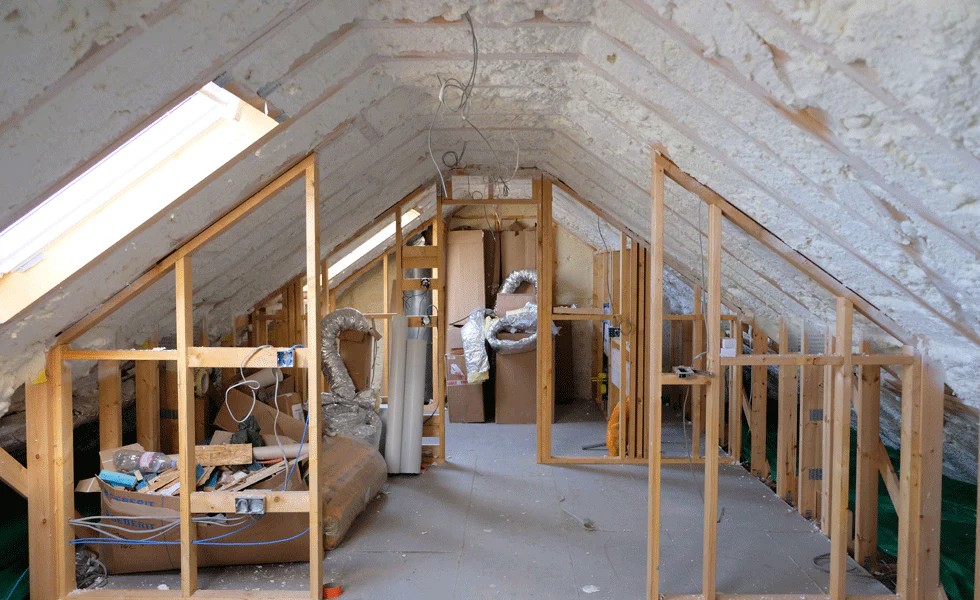
Managing moisture in the home is essential for maintaining a healthy, energy-efficient, and long-lasting structure. One of the most overlooked yet critical aspects of this is the relationship between roof insulation and condensation prevention. When insulation is properly installed and maintained, it acts as a barrier that helps control temperature differences and moisture movement, significantly reducing the risk of condensation-related problems such as mold, mildew, and structural damage.
Homeowners and property managers often notice water droplets or damp patches in attics or on ceilings, especially during colder months. These are classic signs of condensation, which can be exacerbated by inadequate or poorly installed insulation. Understanding how insulation works to prevent these issues can help you protect your investment and ensure a comfortable indoor environment.
For those looking to keep their attic insulation in top shape throughout the year, you might find the advice in attic insulation seasonal maintenance especially useful.
Understanding Condensation and Its Causes
Condensation occurs when warm, moist air comes into contact with a cooler surface, causing the moisture in the air to turn into liquid water. In homes, this often happens in attics or roof spaces, where temperature differences between the inside and outside can be significant. Without effective insulation, these temperature gradients become more pronounced, increasing the likelihood of condensation forming on rafters, roof decks, and insulation materials.
The main factors contributing to condensation include:
- High indoor humidity from activities like cooking, bathing, or drying clothes indoors
- Poor ventilation in attic or roof spaces
- Inadequate or uneven insulation coverage
- Temperature fluctuations between the living space and the roof structure
The Role of Roof Insulation in Moisture Control
Roof insulation and condensation prevention go hand in hand. Insulation helps to maintain a consistent temperature across the roof structure, minimizing the cold surfaces where condensation can form. By reducing heat loss from the living space below, insulation keeps the roof deck warmer, which in turn lowers the risk of moisture in the air condensing on these surfaces.
Properly installed insulation also works in conjunction with ventilation to ensure that any moisture that does enter the roof space can be safely vented outside, rather than accumulating and causing problems.
How Insulation Materials Affect Condensation Prevention
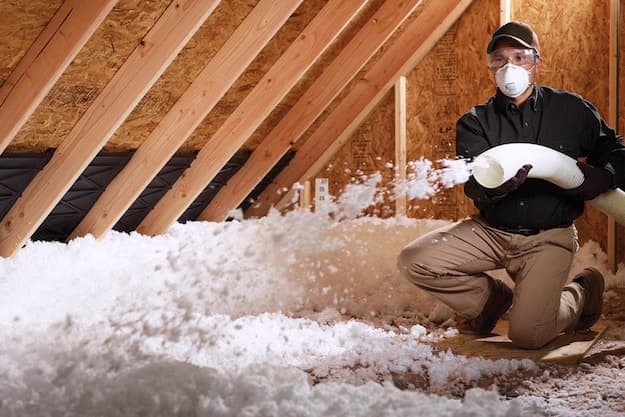
Not all insulation materials perform the same when it comes to moisture control. Some, like spray foam, provide both thermal resistance and an air seal, which can be highly effective at reducing condensation risks. Others, such as fiberglass batts or blown-in cellulose, rely more on proper installation and adequate coverage to prevent gaps where air and moisture could pass through.
When selecting insulation, consider the following:
- Thermal resistance (R-value): Higher R-values mean better temperature control, reducing cold spots.
- Air sealing properties: Materials that block air movement help prevent moist air from reaching cold surfaces.
- Moisture resistance: Some products are better at repelling water and resisting mold growth.
Regardless of the material, professional installation is crucial. Gaps, compression, or uneven coverage can undermine the effectiveness of even the best insulation products.
Best Practices for Roof Insulation and Condensation Prevention
To maximize the benefits of insulation and minimize condensation risks, follow these best practices:
- Ensure continuous coverage: Insulation should be installed without gaps or voids, especially at eaves, around penetrations, and along the roofline.
- Pair with effective ventilation: Proper attic ventilation allows moist air to escape, balancing the air exchange and reducing humidity levels.
- Control indoor humidity: Use exhaust fans in kitchens and bathrooms, and avoid venting dryers or other appliances into the attic space.
- Inspect regularly: Periodic checks for damp spots, mold, or insulation displacement can catch issues early. For guidance, see how to perform a thorough how to inspect attic insulation.
- Upgrade when needed: If your insulation is old or showing signs of wear, consider a top-up or replacement to maintain optimal performance.

Common Signs of Condensation Problems in Roof Spaces
Even with insulation in place, it’s important to watch for signs that condensation may still be an issue. Early detection can prevent costly repairs and health hazards. Look for:
- Water stains or damp patches on ceilings or attic floors
- Mold or mildew growth on wood, insulation, or stored items
- Rust on nails, metal fasteners, or roof components
- Musty odors in the attic or upper floors
- Visible frost or water droplets on rafters during cold weather
If you notice any of these warning signs, it may be time to address underlying insulation or ventilation issues. Persistent problems could indicate the need for a more thorough inspection or even a full replacement. For more information on what to look for, review the attic insulation replacement signs that suggest it’s time for an upgrade.
Maintaining Insulation for Long-Term Moisture Protection
Ongoing care is essential for keeping your insulation working effectively against condensation. Over time, insulation can settle, become compressed, or be displaced by pests or maintenance work. Regular checks and prompt repairs help maintain the barrier needed for moisture control.
If you encounter recurring issues, it may be worth investigating attic insulation common problems and fixes to address the root cause. In some cases, professional assessment and remediation may be necessary to restore proper function.
Frequently Asked Questions
What happens if condensation is left untreated in the attic?
If condensation is not addressed, it can lead to mold growth, wood rot, and deterioration of insulation materials. Over time, this may result in costly repairs, reduced energy efficiency, and potential health risks for occupants.
Can adding more insulation alone solve condensation problems?
While increasing insulation can help, it’s not always a complete solution. Effective roof insulation and condensation prevention also depend on proper ventilation and humidity control. Addressing all contributing factors is key to long-term moisture management.
How often should roof insulation be checked for moisture issues?
It’s a good idea to inspect your attic or roof insulation at least once a year, and after any major weather events. Look for signs of dampness, mold, or displacement to catch problems early.
Is professional installation necessary for preventing condensation?
Professional installation ensures that insulation is applied evenly and without gaps, which is crucial for preventing cold spots and moisture buildup. DIY installations can sometimes leave vulnerabilities that increase condensation risks.
By understanding the connection between insulation and moisture control, and following best practices for installation and maintenance, you can protect your home from the damaging effects of condensation and enjoy a healthier, more comfortable living environment.


