



In the realm of commercial buildings, ensuring effective roof drainage solutions is paramount. Proper drainage systems prevent water accumulation, which can lead to significant structural damage over time. By implementing the right strategies, building owners can protect their investments and ensure the longevity of their properties.

Understanding the Importance of Roof Drainage
Water is one of the most destructive forces in nature, and when it comes to commercial roofing, it’s no different. Without efficient drainage, water can pool on roofs, leading to leaks, mold growth, and even structural failure. This underscores the need for robust roof drainage solutions in commercial buildings.
Types of Roof Drainage Systems
1. Internal Drains
Internal drains are a common choice for commercial buildings. These systems channel water through drains located on the roof, directing it through pipes within the building to the ground. They are particularly effective for flat roofs and offer a clean aesthetic since the pipes are hidden.
2. Scuppers
Scuppers are openings placed along the perimeter of the roof. They allow water to drain off the sides, making them suitable for buildings with sloped roofs. Scuppers are cost-effective and easy to maintain.
3. Gutters
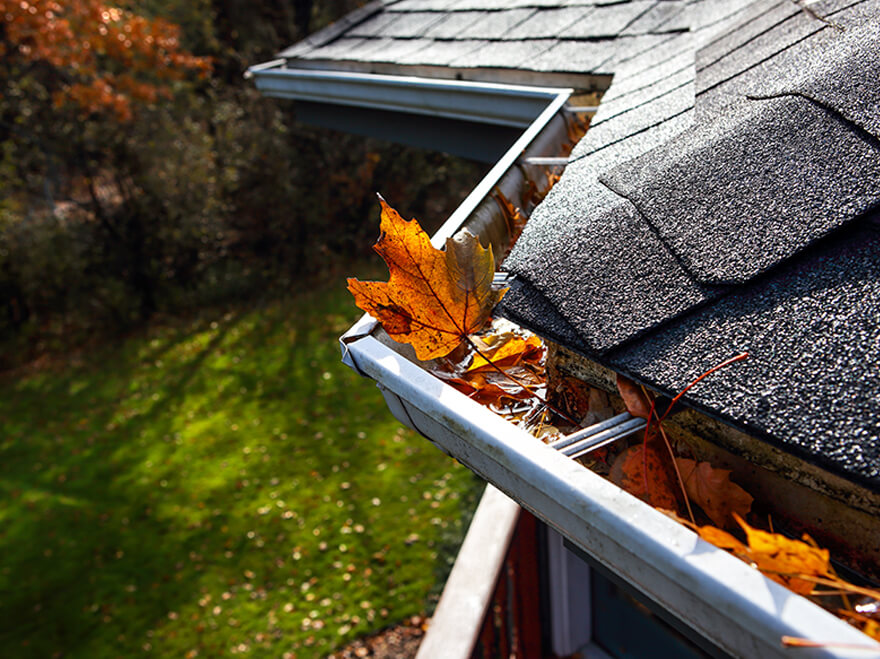
While more commonly associated with residential buildings, gutters can also be used in commercial settings. They collect water along the roof edges and channel it away from the building. Regular maintenance is crucial to ensure they remain effective.
Factors to Consider When Choosing a Drainage Solution
Building Design
The architectural design of a building significantly influences the choice of drainage system. Factors such as roof slope, size, and material play a crucial role in determining the most suitable solution.
Local Climate
The climate of the area where the building is located also affects the choice of drainage system. Buildings in regions with heavy rainfall require more robust systems to handle increased water volumes.
Maintenance Requirements
Every drainage solution comes with its own maintenance needs. It’s essential to choose a system that aligns with the building owner’s capacity for regular upkeep. For detailed maintenance tips, check out our DIY tips.
The Role of Professional Assessment
Before deciding on a drainage solution, it’s advisable to consult with roofing experts. They can assess the building’s specific needs and recommend the most effective system. For a comprehensive inspection checklist, refer to our roof inspection guide.
Innovations in Roof Drainage Solutions
With advancements in technology, modern drainage systems are more efficient than ever. From automated monitoring systems to eco-friendly materials, the future of roof drainage looks promising.
Common Challenges and Solutions
Blockages
One of the most common issues with drainage systems is blockages caused by debris. Regular cleaning and maintenance are crucial. Learn how to effectively clean your roof with our cleaning tips.
Leaks
Leaks can occur due to poor installation or wear and tear. Regular inspections can help identify potential problems before they escalate. For repair advice, explore our repair tips.
Conclusion
Effective roof drainage solutions for commercial buildings are essential for maintaining the structural integrity of properties. By understanding the various options available and considering factors such as design, climate, and maintenance, building owners can make informed decisions. For more insights, visit this external resource.
FAQs
What is the best drainage system for a flat roof?
Internal drains are often considered the best solution for flat roofs due to their efficiency in channeling water away from the roof surface.
How often should roof drainage systems be inspected?
It’s recommended to inspect roof drainage systems at least twice a year or after significant weather events.
Can I install a roof drainage system myself?
While DIY installation is possible for simple systems, it’s advisable to consult with professionals for more complex setups.
This article contains affiliate links. We may earn a commission at no extra cost to you.


