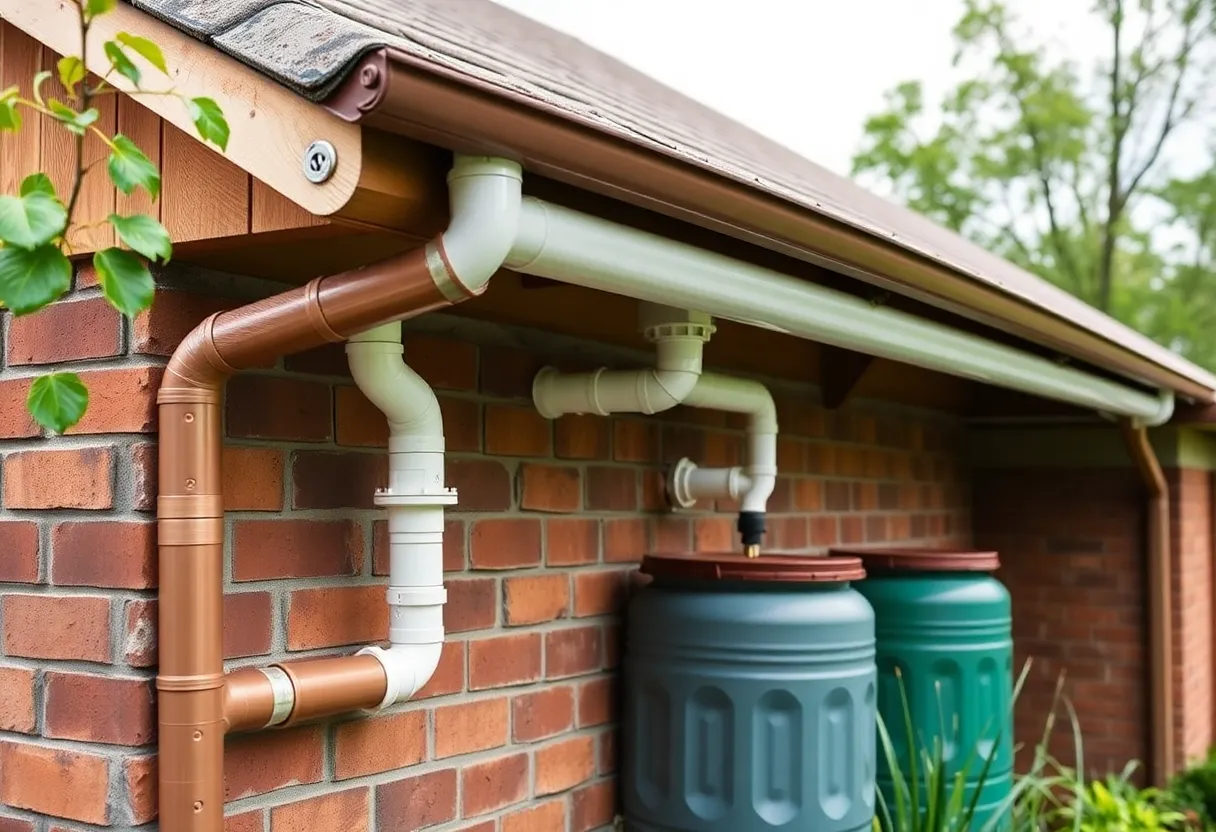
Maintaining a well-functioning roof drainage system is vital for homeowners. A proper roof drainage maintenance checklist ensures that your home is protected from water damage and extends the longevity of your roof. In this article, we will explore the key elements of maintaining your roof drainage system and how a proactive approach can save you from costly repairs.

Understanding the Importance of Roof Drainage
A well-maintained roof drainage system is crucial to prevent water accumulation on your roof, which can lead to leaks, mold, and structural damage. By keeping the system in check, you ensure that rainwater is effectively channeled away from your home.
Roof Drainage System Components
Before diving into the maintenance checklist, it’s essential to understand the components of a roof drainage system:
- Gutters: These are channels that collect and direct rainwater away from the roof.
- Downspouts: These vertical pipes carry water from the gutters to the ground level.
- Drain Pipes: They help in directing water further away from the foundation.
Regular Inspection
The first step in your roof drainage maintenance checklist is to conduct regular inspections. Check for any signs of damage, such as cracks, rust, or clogs. Inspect your gutters, downspouts, and drain pipes for any issues.
Cleaning the Gutters
Gutters can easily become clogged with leaves, twigs, and debris. Regular cleaning is necessary to ensure unobstructed water flow. Use a sturdy ladder and gloves to remove debris manually, or consider using a gutter cleaning tool.
Evaluating Downspouts
Make sure that downspouts are securely attached and directing water away from your home’s foundation. Check for blockages and clear them to maintain efficient water flow.
Inspecting Drain Pipes
Check drain pipes for any obstructions or damage. Ensure they are properly connected to downspouts and directing water far enough away from your home.
Addressing Roof Leaks
During your inspection, look for signs of roof leaks. Water stains on ceilings or walls, dampness, or mold growth can indicate a leakage issue. Promptly address any leaks to prevent further damage. Learn more about fixing a leaking roof drain.
Seasonal Maintenance Tips
Seasonal changes can impact your roof drainage system. In the fall, clear fallen leaves from gutters. In winter, watch out for ice dams that can block drainage. In spring, inspect for any winter damage, and in summer, check for wear and tear.
Professional Inspection and Repair
While regular maintenance is key, consider hiring a professional for an annual inspection. They can provide a thorough assessment and address any issues that may not be visible to the untrained eye.
Choosing the Right Gutters
Selecting the appropriate gutters is essential for effective drainage. Consider factors such as material, size, and style to suit your home’s needs. For more information, check out our guide on choosing the right gutters.
Protecting Your Roof
In addition to maintaining the drainage system, protect your roof by trimming overhanging branches, which can drop leaves and debris onto the roof. Also, ensure proper attic insulation and ventilation to prevent moisture buildup.
Dealing with Roof Slopes
The slope of your roof impacts drainage efficiency. Learn about roof drainage tips for sloped roofs to optimize water flow and prevent pooling.
External Resources
For a more in-depth look at roof drainage systems, visit Northface Construction and Maryland Roofers.

FAQs
How often should I clean my gutters?
It’s recommended to clean your gutters at least twice a year, in the spring and fall. However, if you have overhanging trees, more frequent cleaning may be necessary.
What causes roof leaks?
Roof leaks can result from damaged shingles, clogged gutters, poor flashing, or improper installation. Regular maintenance can help prevent these issues.
Can I perform roof drainage maintenance myself?
While basic maintenance tasks like cleaning gutters can be done yourself, it’s advisable to hire a professional for comprehensive inspections and repairs.
This article contains affiliate links. We may earn a commission at no extra cost to you.