As more homeowners and property owners look for ways to achieve energy independence, off grid solar roofing systems have become an increasingly popular solution. These setups allow buildings to generate and store their own electricity, reducing reliance on the traditional power grid. Whether you’re interested in sustainable living, want to avoid rising energy costs, or need a reliable power source in remote areas, understanding how these systems work is essential.
This article covers the essential components, benefits, and considerations for installing a self-sufficient solar roof. We’ll also touch on related topics such as system weight, financing, and building codes. For more details on structural aspects, see our guide on solar roofing weight considerations.
What Makes a Solar Roof Off-Grid?
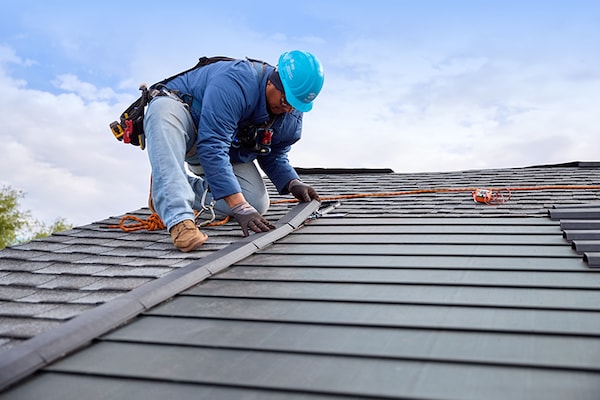
Unlike grid-tied solar installations, off grid solar roofing systems are designed to operate independently from utility companies. They generate electricity using solar panels and store excess energy in batteries for use when sunlight isn’t available. This approach is ideal for remote locations, cabins, or anyone seeking full energy autonomy.
The main distinction is the absence of a connection to the public power grid. This means all your energy needs must be met by your own system, making careful planning and sizing essential.
Key Components of Standalone Solar Roofs
Every self-contained solar roof setup includes several critical elements:
- Solar panels or shingles: These capture sunlight and convert it into electricity.
- Charge controller: Regulates voltage and current from the panels to prevent battery overcharging.
- Battery bank: Stores energy for use at night or during cloudy weather.
- Inverter: Converts stored DC power from batteries into usable AC electricity for household appliances. For a deeper dive, see our article on solar roofing inverters explained.
- Backup generator (optional): Provides additional power during extended periods of low sunlight.
The quality and capacity of each component directly affect the reliability and efficiency of your system.

How Off-Grid Solar Roofing Systems Work
The process begins with solar panels or shingles installed on your roof. These devices absorb sunlight and transform it into direct current (DC) electricity. The charge controller manages this flow to the battery bank, ensuring safe and efficient charging.
When your home needs power, the inverter converts the stored DC electricity into alternating current (AC), which is compatible with most household appliances. If your batteries run low and there’s little sunlight, a backup generator can supply additional energy.
Because these systems are not connected to the grid, sizing your solar array and batteries correctly is crucial. You’ll need to estimate your daily energy usage and plan for seasonal changes in sunlight.
Benefits of Going Off-Grid with Solar Roofing
Choosing a self-sustaining solar roof offers several advantages:
- Energy independence: Avoid power outages and utility rate hikes.
- Environmental impact: Reduce your carbon footprint by using renewable energy.
- Remote viability: Power homes, cabins, or facilities where grid access is unavailable or unreliable.
- Long-term savings: After the initial investment, ongoing energy costs are minimal.
Additionally, some off-grid systems can be designed with cool roofing materials to further improve energy efficiency and comfort.
Challenges and Considerations for Off-Grid Installations
While the benefits are significant, there are also important challenges to address:
- Upfront cost: Off-grid systems require larger battery banks and more equipment, increasing initial expenses.
- Maintenance: Batteries need regular monitoring and eventual replacement. Keeping panels clean is also essential for optimal performance.
- System sizing: Underestimating your energy needs can lead to power shortages. Accurate load calculations are vital.
- Building codes and permits: Local regulations may affect installation. For more information, review our resource on solar roofing building codes.
- Financing: While long-term savings are possible, securing funding can be complex. Explore options in our article on solar roofing financing options.
Types of Solar Roofing for Off-Grid Use
There are several roofing technologies suitable for standalone solar power:
- Traditional solar panels: Mounted on top of existing roofs, these are the most common and cost-effective.
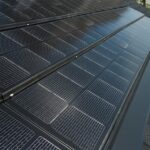
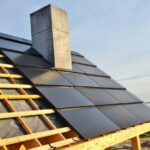
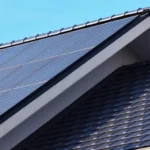
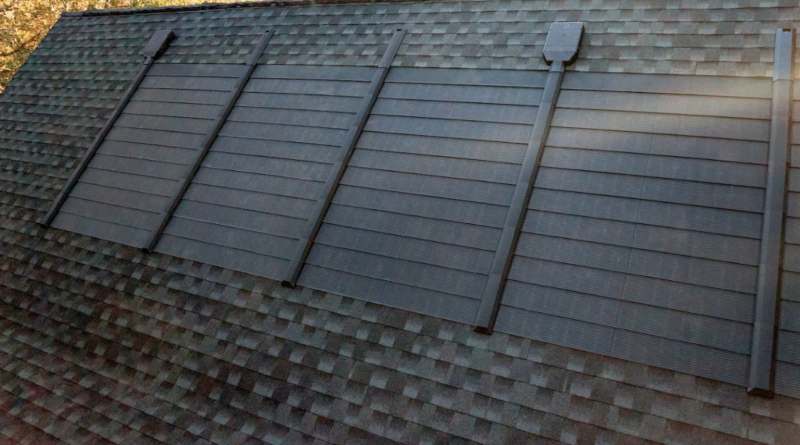
- Solar shingles: Integrated directly into the roof surface, offering a streamlined appearance.
- Metal roofs with solar laminates: Thin-film solar materials can be bonded to metal roofing, combining durability with energy production.
- Tile roofs with integrated solar: Some manufacturers offer solar tiles designed to blend with clay or concrete roofing. For more, see our guide on solar roofing on tile roofs.
The best choice depends on your budget, aesthetic preferences, and local climate.
Maintenance Tips for Reliable Off-Grid Solar Roofs
To keep your system running smoothly:
- Inspect and clean panels regularly to remove dust, leaves, and debris.
- Check battery health and electrolyte levels (for lead-acid types) as recommended by the manufacturer.
- Monitor system output and energy usage to spot issues early.
- Schedule professional inspections every few years to ensure safety and performance.
Investing in the right cleaning tools and following a maintenance schedule will help maximize your system’s lifespan and efficiency.
Frequently Asked Questions
How much does it cost to install a self-sufficient solar roof?
Costs vary widely based on system size, battery capacity, and location. For a typical home, expect to invest between $20,000 and $60,000 for a complete off-grid setup. This includes panels, batteries, inverters, and installation. Prices may be higher for larger homes or premium materials.
Can I add batteries to an existing grid-tied solar roof to go off-grid?
In many cases, it’s possible to retrofit batteries and convert a grid-tied system to off-grid operation. However, this often requires upgrading inverters and ensuring your system is properly sized for total energy independence. Consulting a solar professional is recommended.
What happens during extended cloudy periods?
During long stretches of low sunlight, your system will rely on stored battery power. If batteries are depleted, a backup generator can provide electricity until solar generation resumes. Properly sizing your battery bank and considering seasonal weather patterns are crucial for uninterrupted power.
Conclusion
Off-grid solar roofing solutions offer a path to true energy independence, especially for those in remote areas or seeking to reduce their environmental impact. By understanding the components, benefits, and challenges, you can make informed decisions about designing and maintaining a system that meets your needs. With careful planning and ongoing maintenance, a solar-powered roof can provide reliable, clean energy for years to come.