Green roofs have become a popular choice among homeowners seeking to enhance their living spaces while contributing to environmental sustainability. When considering a green roof, one important decision is choosing between intensive vs extensive green roof options. Both types offer unique benefits and considerations, making it essential to understand their differences and applications.
Understanding Green Roofs
A green roof, also known as a living roof, is a roof partially or completely covered with vegetation. Beyond aesthetic appeal, green roofs provide insulation, reduce stormwater runoff, and improve air quality. The two main types, intensive and extensive, cater to different needs and preferences.
What is an Intensive Green Roof?
An intensive green roof is akin to a rooftop garden. It supports a wide variety of plants, including shrubs and small trees, due to its deeper soil layer. This type requires a robust structural support system and regular maintenance, similar to traditional gardens. Its design allows for more creativity and usability, often featuring walkways and recreational areas.
Defining an Extensive Green Roof
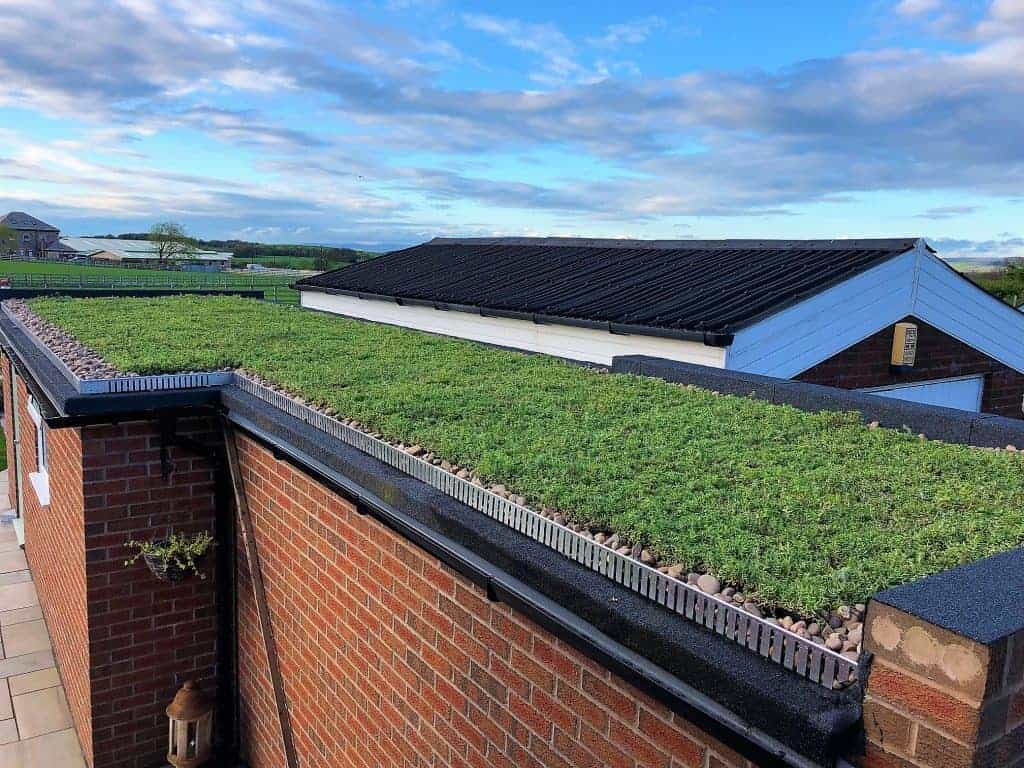
In contrast, an extensive green roof is lighter and requires less maintenance. It typically features a shallow soil layer with hardy, drought-resistant plants like sedums and grasses. This type is ideal for those seeking a low-maintenance green roofing solution, often implemented for its environmental benefits rather than recreational use.
Comparing Intensive and Extensive Green Roofs
Structural Requirements
Intensive green roofs require a strong structural foundation to support the weight of deeper soil and larger plants. Extensive roofs, by contrast, are lighter and can be installed on a wider range of buildings, including those with limited load-bearing capacity.
Maintenance and Cost
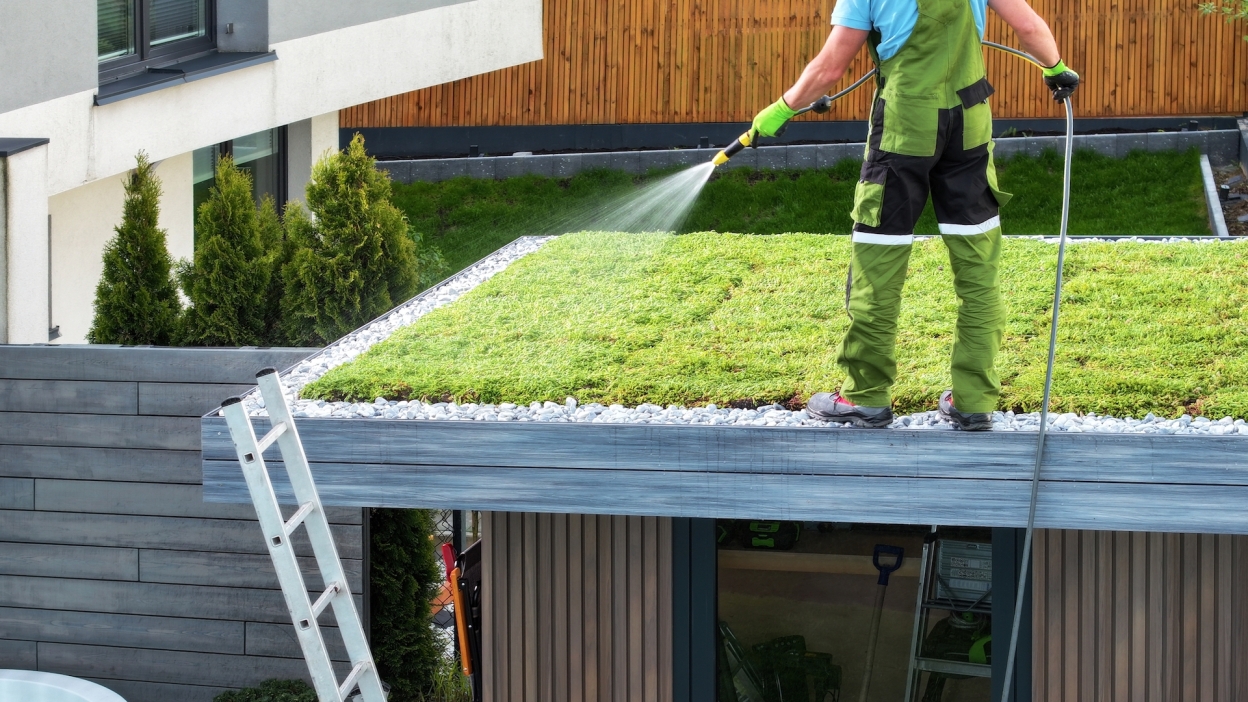
Intensive roofs demand regular maintenance, including watering, fertilizing, and pruning. They are also more costly due to the complexity of installation and ongoing care. Extensive roofs are more economical and require minimal upkeep, making them a cost-effective choice for many homeowners.
Environmental Impact
Both types of green roofs offer significant environmental benefits, such as improved air quality and reduced urban heat island effect. However, extensive roofs are particularly effective in stormwater management due to their ability to absorb and retain large volumes of rainwater.
Choosing the Right Green Roof for Your Home
Assessing Your Needs and Goals
When deciding between intensive and extensive green roofs, consider your goals. Do you want a space for leisure and gardening, or are you more focused on environmental benefits and cost-efficiency? Your answer will guide your choice.
Evaluating Your Building’s Structure
Consult with a structural engineer to determine your building’s load-bearing capacity. This assessment is crucial in ensuring the safety and longevity of your green roof.
Considering Climate and Location
Your local climate and building location can influence the success of your green roof. Extensive roofs are well-suited for areas with limited rainfall, while intensive roofs might require additional irrigation in dry climates.
Green Roof Installation and Maintenance
Installation Process
The installation process varies between the two types. Intensive roofs require more intricate planning and construction, often involving multiple layers for drainage, waterproofing, and root barriers. Extensive roofs are simpler and quicker to install, often requiring just a few layers.
Maintenance Tips
For intensive roofs, regular maintenance is key. This includes seasonal planting, pest control, and irrigation system checks. Extensive roofs require periodic inspections to ensure plant health and system integrity.
Benefits of Green Roofs
Both types of green roofs offer notable benefits, including energy efficiency, increased property value, and enhanced biodiversity. They also contribute to urban greening, improving cityscapes and offering habitats for wildlife.
Energy Efficiency and Insulation
Green roofs provide natural insulation, reducing heating and cooling costs. They help maintain a stable indoor temperature, enhancing comfort and reducing reliance on HVAC systems.
Improving Air Quality
Plants on green roofs absorb carbon dioxide and release oxygen, improving air quality. They also trap dust and pollutants, contributing to a healthier environment.
Challenges and Considerations
While green roofs offer numerous advantages, they also present challenges. Intensive roofs require careful planning and maintenance, while extensive roofs may have limitations in plant variety and design flexibility.
Waterproofing and Drainage
Effective waterproofing and drainage systems are crucial to prevent leaks and water damage. Regular inspections and maintenance of these systems are essential for both roof types. For more insights, see roof drainage systems.
Initial and Long-Term Costs
Consider both initial installation costs and long-term maintenance expenses. While extensive roofs are cheaper initially, intensive roofs offer more versatility and usability, potentially increasing property value.
Conclusion: Making an Informed Decision
Choosing between intensive and extensive green roofs depends on your personal preferences, budget, and building specifications. Both options offer unique benefits, contributing to environmental sustainability and enhancing living spaces. By assessing your needs and consulting with professionals, you can select the green roof type that best suits your home.
For inspiration, explore impressive green roofs from around the world.
FAQs
1. Can any building support a green roof?
Not all buildings can support a green roof. It is important to consult with a structural engineer to assess load-bearing capacity and ensure safety.
2. Do green roofs require irrigation?
Intensive green roofs typically require irrigation systems, especially in dry climates. Extensive roofs may not need irrigation, depending on plant selection and local rainfall.
3. How long do green roofs last?
With proper maintenance, green roofs can last 30 to 50 years or more. Regular inspections and care are essential to maximize their lifespan.
This article contains affiliate links. We may earn a commission at no extra cost to you.