


Proper attic ventilation is essential for maintaining a healthy, energy-efficient home. When air moves freely through the attic, it helps regulate temperature, reduces moisture buildup, and extends the life of your roof and insulation. Many homeowners overlook the importance of this process, but understanding how to ventilate an attic can make a significant difference in both comfort and utility costs.
In this guide, you’ll learn the fundamentals of attic airflow, the benefits of effective ventilation, and practical steps to improve air movement in your attic space. We’ll also highlight the connection between ventilation and insulation, with helpful resources like how does attic insulation work to deepen your understanding of home energy efficiency.
Why Attic Ventilation Matters for Homeowners
Attic ventilation is more than just a building code requirement—it’s a key factor in maintaining a comfortable and efficient living environment. When air circulates properly, it helps prevent issues such as:
- Excess heat buildup in summer, which can drive up cooling costs and strain your HVAC system
- Moisture accumulation in winter, leading to mold, mildew, and wood rot
- Ice dam formation on roofs in cold climates, which can cause leaks and damage
- Premature aging of roofing materials and insulation
By ensuring your attic has the right airflow, you protect your investment and create a healthier indoor environment. Many homeowners also notice improved comfort and lower energy bills after addressing attic ventilation.
Understanding the Basics of Attic Airflow
Before making any changes, it’s important to grasp the principles behind attic ventilation. The goal is to create a balanced system where fresh air enters the attic at the lowest points (usually the eaves or soffits) and exits at higher points (like ridge or roof vents). This continuous flow removes hot, moist air and replaces it with cooler, drier air from outside.
There are two main types of attic vents:
- Intake vents: Located at the soffits or eaves, these allow outside air to enter the attic.
- Exhaust vents: Placed near the roof peak, these let warm, humid air escape.
A well-designed system will have a roughly equal amount of intake and exhaust venting to maintain steady airflow.
Key Steps for Improving Attic Ventilation
If you’re looking to enhance attic airflow, follow these practical steps to achieve better results:
1. Assess Your Current Ventilation
Start by inspecting your attic for existing vents. Count the number and location of intake and exhaust vents. Look for signs of poor ventilation, such as:
- Hot or stuffy air in the attic during summer
- Condensation, mold, or mildew on rafters or insulation
- Rusty nails or damp wood
- Ice dams forming on the roof in winter
If you notice any of these issues, your attic may not be getting enough airflow.
2. Calculate the Ventilation Needed
Building codes typically recommend 1 square foot of ventilation (combined intake and exhaust) for every 300 square feet of attic floor space, assuming a vapor barrier is present. Without a vapor barrier, increase to 1 square foot per 150 square feet. Divide this area equally between intake and exhaust vents for balanced airflow.
3. Install or Upgrade Intake Vents
Soffit vents are the most common type of intake vent. They are installed under the eaves and allow cool, fresh air to enter the attic. Make sure these vents are clear of insulation and debris. If you need more intake, consider adding additional soffit or gable vents.
4. Add or Improve Exhaust Vents
Ridge vents, box vents, and turbine vents are popular options for exhausting warm air. Ridge vents run along the roof peak and provide continuous airflow, while box and turbine vents are installed at intervals. Avoid mixing different types of exhaust vents, as this can disrupt airflow patterns.
5. Keep Vents Clear and Unobstructed
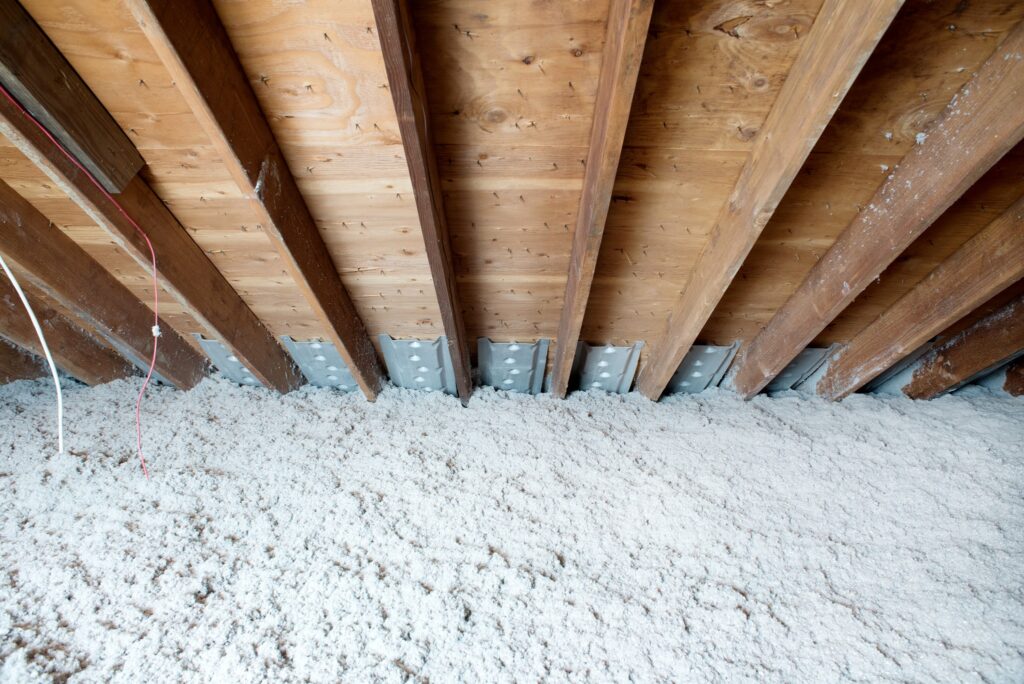
Regularly check that all vents are free from blockages. Insulation, dust, or even bird nests can restrict airflow. Use baffles (vent chutes) to keep insulation from covering soffit vents and maintain a clear path for air movement.
6. Consider Attic Fans for Extra Air Movement
In some cases, especially in hot or humid climates, a powered attic fan can help move air more effectively. These fans are installed near the roof peak and automatically turn on when attic temperatures rise above a set point. However, they should be used in conjunction with adequate intake vents to avoid creating negative pressure that draws conditioned air from the living space.
How Ventilation and Insulation Work Together
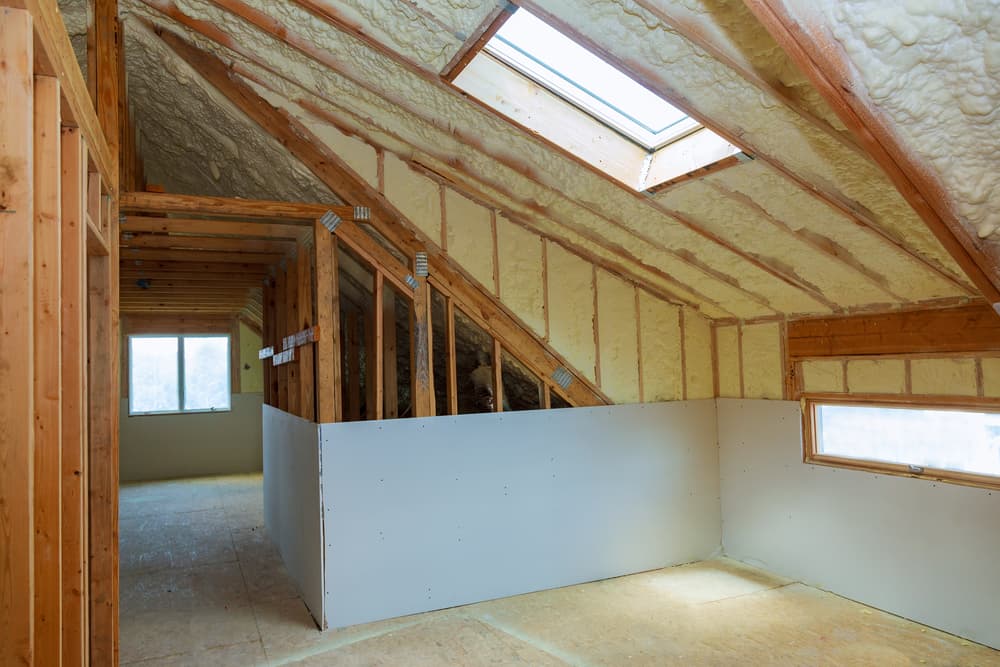
Attic insulation and ventilation are closely linked. Good airflow helps insulation perform at its best by keeping it dry and preventing heat buildup. If you’re upgrading your attic, consider learning about the benefits of attic insulation and the types of attic insulation available. This knowledge will help you create a more energy-efficient home and avoid common pitfalls, such as blocking vents with insulation.
For a deeper dive into energy savings, check out how attic insulation saves energy and reduces your monthly bills.
Common Mistakes to Avoid When Improving Attic Airflow
- Blocking intake vents with insulation or debris
- Mixing different types of exhaust vents on the same roof, which can disrupt airflow
- Underestimating the amount of ventilation needed for your attic size
- Neglecting regular maintenance of vents and fans
- Ignoring signs of moisture or heat problems in the attic
Avoiding these mistakes will help you maintain a balanced and effective attic ventilation system.
Frequently Asked Questions
What are the signs of poor attic ventilation?
Common indicators include high attic temperatures in summer, condensation or frost on rafters, mold or mildew growth, musty odors, and ice dams on the roof during winter. You might also notice increased energy bills or uneven temperatures in your home.
How often should attic vents be inspected or cleaned?
It’s a good idea to inspect attic vents at least once a year, ideally before the start of summer and winter. Remove any debris, dust, or insulation that may be blocking airflow, and check for signs of animal nests or damage.
Can I add more vents to my attic myself, or should I hire a professional?
Simple tasks like clearing vents or installing baffles can often be done by homeowners. However, adding new vents, especially roof or ridge vents, may require professional installation to ensure proper placement, weatherproofing, and compliance with local building codes.
Does attic ventilation help with energy savings?
Yes, effective attic airflow can lower cooling costs in summer and prevent moisture-related damage in winter, both of which contribute to overall energy efficiency and reduced maintenance expenses.
Understanding how to ventilate an attic is a key step toward a more comfortable, efficient, and long-lasting home. By following the practical tips outlined here, you can ensure your attic stays dry, cool, and well-protected throughout the year.


