Attic insulation plays a crucial role in maintaining your home’s energy efficiency, comfort, and protection against moisture. Over time, insulation in the attic can become damaged due to factors like water leaks, pest infestations, or simply aging materials. Addressing these issues promptly is essential for preventing higher energy bills, mold growth, and structural problems. This guide will walk you through the safest and most effective ways to restore your attic’s insulation, ensuring your home remains comfortable and efficient.
If you’re also interested in broader topics like roof insulation and moisture control, you’ll find related resources that can help you maintain a healthier home environment.
Why Attic Insulation Gets Damaged
Understanding the root causes of insulation problems helps you prevent future issues. The most common reasons for attic insulation deterioration include:
- Water leaks from the roof or plumbing, which can soak and compress insulation, reducing its effectiveness and encouraging mold.
- Pest infestations, such as rodents or insects, which may nest in or chew through insulation materials.
- Physical disturbance from foot traffic or storage, which can crush or displace insulation batts.
- Aging materials that settle or break down over time, leading to gaps and reduced thermal resistance.
Addressing these underlying causes is just as important as the repair process itself. Before beginning any restoration, make sure to resolve water leaks, seal entry points for pests, and avoid storing heavy items in the attic.
Assessing the Extent of Insulation Damage
Before you can fix attic insulation, it’s important to perform a thorough inspection. Here’s how to evaluate the situation:
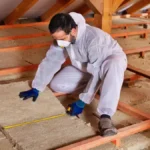
- Wear protective gear such as gloves, a dust mask, and long sleeves to avoid contact with irritants.
- Look for obvious signs of damage: wet or compacted insulation, visible mold, rodent droppings, or torn vapor barriers.
- Check for uneven coverage or bare spots, which can indicate displaced or missing insulation.
- Use a flashlight to inspect corners and hard-to-reach areas.
If you notice extensive mold or a strong odor, consider consulting a professional, as these issues may require specialized remediation.
Preparing for Safe Attic Insulation Repairs
Safety should always be your first priority when working in the attic. Insulation materials can be dusty and may contain fiberglass or other irritants. Follow these steps to prepare:
- Clear the attic of unnecessary items to create a safe workspace.
- Ensure proper ventilation by opening attic vents or windows if possible.
- Gather tools and materials: utility knife, trash bags, replacement insulation, measuring tape, and a staple gun (for batts or rolls).
- Wear appropriate protective equipment, including gloves, goggles, a dust mask or respirator, and long-sleeved clothing.
If your attic has electrical wiring, be cautious and avoid disturbing wires or junction boxes. Shut off power to the area if you need to work near exposed wiring.
Step-by-Step Guide to Fixing Damaged Attic Insulation
Once you’ve assessed the damage and prepared the area, follow these steps to restore your attic’s thermal barrier:
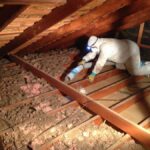
- Remove contaminated or damaged insulation. Carefully bag and dispose of any wet, moldy, or pest-infested material. Avoid stirring up dust.
- Clean and dry the area. Use a vacuum with a HEPA filter to remove debris and dust. Allow the area to dry completely if there was moisture present.
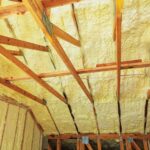
- Seal air leaks and gaps. Use expanding foam or caulk to seal cracks around pipes, vents, and electrical penetrations. This step improves energy efficiency and helps prevent future damage.
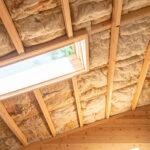
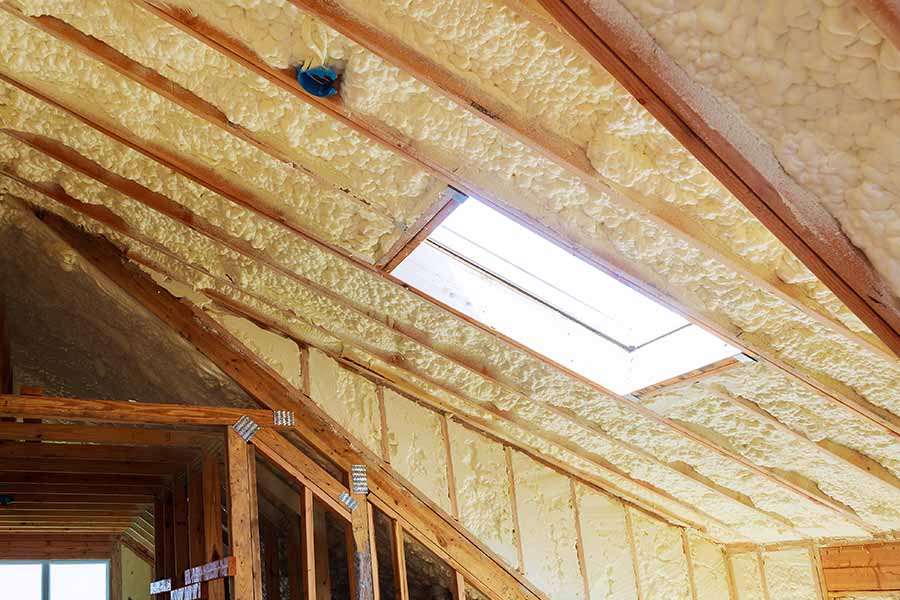
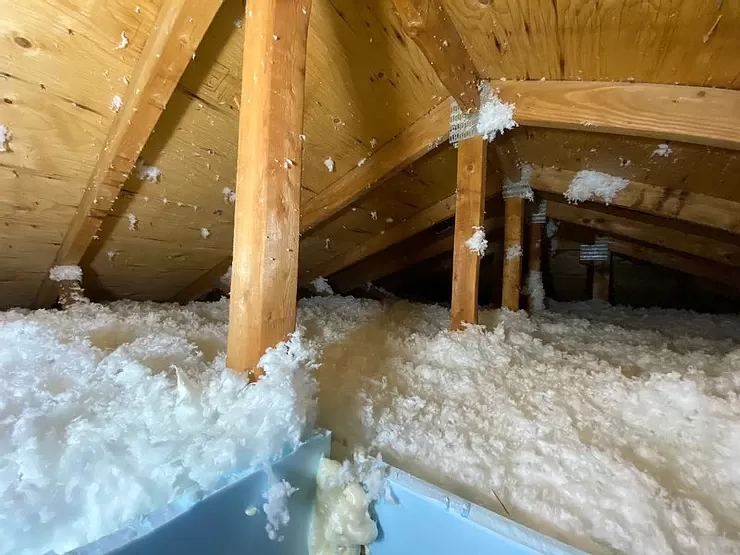
- Install new insulation. Match the type and thickness of the existing material, whether it’s fiberglass batts, blown-in cellulose, or spray foam. Lay batts snugly between joists without compressing them, or use a blower for loose-fill insulation.
- Check for proper coverage. Ensure there are no gaps or compressed areas. The insulation should be even and reach the recommended R-value for your region.
- Replace or repair vapor barriers. If your attic uses a vapor barrier, patch or replace it as needed to prevent future moisture issues.
For more details on choosing the right insulation for your climate, see our guides on roof insulation for hot climates and roof insulation for cold climates.
Tips for Preventing Future Insulation Damage
After restoring your attic’s insulation, take steps to keep it in good condition:
- Inspect your attic at least once a year for signs of leaks, pests, or insulation displacement.
- Maintain your roof and gutters to prevent water intrusion.
- Seal entry points to keep rodents and insects out.
- Avoid storing heavy items directly on insulation or joists.
- Consider adding a layer of blown-in insulation for extra protection and improved energy efficiency.
For more on maximizing the benefits of your attic insulation, check out our article on roof insulation for energy efficiency.
Common Mistakes to Avoid When Fixing Attic Insulation
Even with the best intentions, homeowners sometimes make errors that reduce the effectiveness of their repairs. Avoid these pitfalls:
- Failing to address moisture or pest problems before replacing insulation.
- Using the wrong type or thickness of insulation for your climate.
- Compressing insulation, which reduces its R-value and effectiveness.
- Leaving gaps or not covering the entire attic floor area.
- Neglecting to wear protective gear, which can lead to irritation or respiratory issues.
If you’re unsure about any step, it’s wise to consult a professional insulation contractor. They can ensure the job is done safely and up to code.
FAQ: Attic Insulation Repair and Maintenance
How do I know if my attic insulation needs to be replaced or just repaired?
If the insulation is only slightly compressed or displaced, you may be able to restore it by fluffing or repositioning the material. However, if you notice water damage, mold, or pest contamination, it’s best to remove and replace the affected sections.
Is it safe to handle old insulation myself?
Handling insulation can expose you to dust, fiberglass, or contaminants. Always wear gloves, a mask, and protective clothing. If you suspect mold or asbestos, contact a professional for safe removal.
What R-value should I aim for when adding new attic insulation?
The recommended R-value depends on your climate zone. In colder regions, higher R-values (R-38 to R-60) are typical, while milder climates may require less. Check local building codes or consult an expert for guidance.
Can I add new insulation on top of old insulation?
Yes, as long as the existing insulation is dry and free of mold or pests. Adding a new layer can improve energy efficiency, but avoid compressing the material.
How can I prevent condensation problems in my attic?
Proper ventilation, sealing air leaks, and maintaining vapor barriers are key. For more information, see our resource on roof insulation and condensation prevention.