


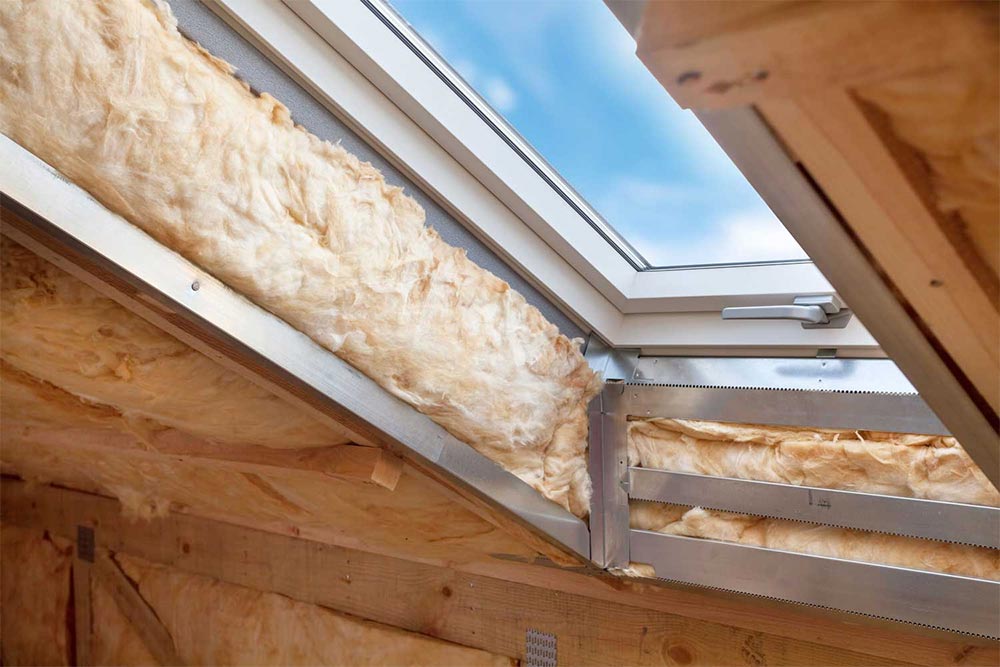
Keeping your attic insulation in optimal condition is essential for energy efficiency, indoor comfort, and protecting your home’s structure. Over time, even the best insulation materials can degrade or become less effective due to moisture, pests, or simple aging. By understanding how to maintain attic insulation, you can extend its lifespan, reduce utility bills, and avoid costly repairs down the road.
Regular upkeep not only ensures your insulation performs as intended but also helps you spot potential issues before they escalate. Whether you have fiberglass batts, blown-in cellulose, or spray foam, a proactive approach to attic care pays off in both comfort and savings. For homeowners interested in maximizing property value, learning about how attic insulation improves home value can also provide valuable insights.
Why Attic Insulation Needs Regular Attention
Many homeowners assume that once insulation is installed, it can be forgotten. However, neglecting this crucial barrier can lead to a range of problems, from higher energy costs to moisture damage and even mold growth. Attic insulation acts as a shield, preventing heat loss in winter and keeping your home cooler in summer. When it’s compromised, your HVAC system works harder, leading to increased wear and higher utility bills.
Common threats to insulation include:
- Moisture intrusion from roof leaks or condensation
- Pest infestations such as rodents or insects nesting in the material
- Physical compression from storage or foot traffic
- Settling or shifting over time, especially with loose-fill products
Addressing these issues early helps maintain the effectiveness of your attic insulation and prevents minor concerns from becoming major headaches.
Routine Inspection: The Foundation of Attic Insulation Care
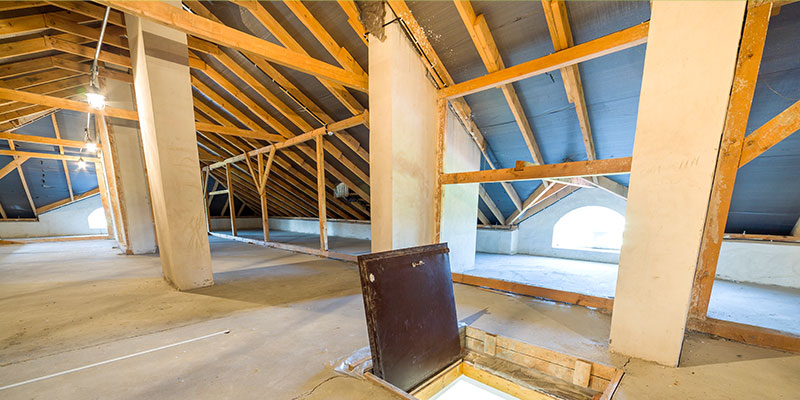
The first step in preserving your attic’s thermal barrier is to conduct regular inspections. Ideally, you should check your insulation at least once a year, and after any major weather events or roof repairs. Look for signs of damage, moisture, or disturbance. Pay close attention to areas around vents, chimneys, and the attic hatch, as these are common trouble spots.
During your inspection, keep an eye out for:
- Wet or damp insulation, which can signal leaks or poor ventilation
- Discoloration or mold growth, especially on the surface of batts or loose-fill
- Compressed or shifted material that no longer fills the cavity evenly
- Droppings, nests, or chewed areas indicating pest activity
If you discover any of these issues, address them promptly to restore your attic’s protective qualities.
Dealing with Moisture and Mold in the Attic
Moisture is one of the most significant threats to attic insulation. Even small leaks or condensation can reduce the R-value (thermal resistance) of your insulation and create an environment where mold thrives. To keep your attic dry:
- Inspect the roof and flashing for leaks and repair as needed
- Ensure soffit and ridge vents are clear for proper airflow
- Install vapor barriers if recommended for your climate and insulation type
- Use a dehumidifier in humid climates or during wet seasons
If you find mold, remove and replace affected insulation. Clean the surrounding area with a mold-killing solution, and address the underlying moisture source before installing new material.
Protecting Insulation from Pests and Physical Damage
Rodents, birds, and insects can all find their way into attics, causing significant harm to insulation. They may nest, burrow, or leave droppings that degrade the material’s performance. To minimize pest issues:
- Seal gaps and cracks in the attic structure, especially around eaves and vents
- Install wire mesh over openings to keep animals out
- Remove food sources and clutter that attract pests
- Check for signs of infestation during every inspection
If you discover pest damage, remove contaminated insulation and sanitize the area. Consider consulting a pest control professional for persistent problems.

Best Practices for Preserving Insulation Efficiency
To ensure your attic insulation continues to perform well, follow these practical tips:
- Avoid compressing insulation by limiting storage and walking only on designated platforms or walkways.
- Top up insulation if it has settled or thinned out over time. Adding a new layer can restore lost R-value.
- Upgrade materials when renovating. If your home has outdated or damaged insulation, consider modern options such as spray foam or blown-in cellulose for better performance. Learn more about blown-in insulation benefits and how they compare to traditional methods.
- Check attic ventilation regularly to prevent heat and moisture buildup.
- Follow manufacturer guidelines for your specific insulation type, whether fiberglass, cellulose, or foam. For more details, see how fiberglass insulation works in attic spaces.
When to Replace or Upgrade Attic Insulation
Even with diligent care, there comes a time when insulation must be replaced. Signs that it’s time for an upgrade include:
- Persistent drafts or uneven temperatures in your home
- Visible mold, mildew, or water damage that cannot be remediated
- Significant pest contamination
- Insulation that is more than 15–20 years old and has lost its loft
Modern insulation products offer improved energy efficiency and durability. If you’re building a new home or planning a major renovation, explore the latest attic insulation for new homes to ensure long-term performance.
Special Considerations for Spray Foam and Other Materials
Different insulation types require unique maintenance approaches. For example, spray foam creates an air-tight seal and is less susceptible to moisture or pests, but it still needs periodic inspection for cracks or separation from framing. If you’re considering or already have spray foam, understanding how spray foam insulation works will help you maintain its effectiveness.
Fiberglass and cellulose, on the other hand, are more prone to settling and moisture absorption. Regular checks and occasional top-ups are essential to keep these materials working as intended.
FAQ: Attic Insulation Maintenance
How often should attic insulation be inspected?
It’s best to inspect your attic insulation at least once a year, ideally in spring or fall. Additional checks are recommended after severe weather, roof repairs, or if you notice changes in indoor comfort or energy bills.
What are the signs that attic insulation needs replacing?
Key indicators include persistent drafts, high energy costs, visible mold or water damage, pest infestations, and insulation that is compacted or no longer fills the space evenly. If your insulation is over 15–20 years old, consider an upgrade.
Can I add new insulation on top of old material?
In many cases, yes. As long as the existing insulation is dry, clean, and free of mold or pests, you can add a new layer to boost performance. However, if there’s significant damage or contamination, remove the old material before installing new insulation.


