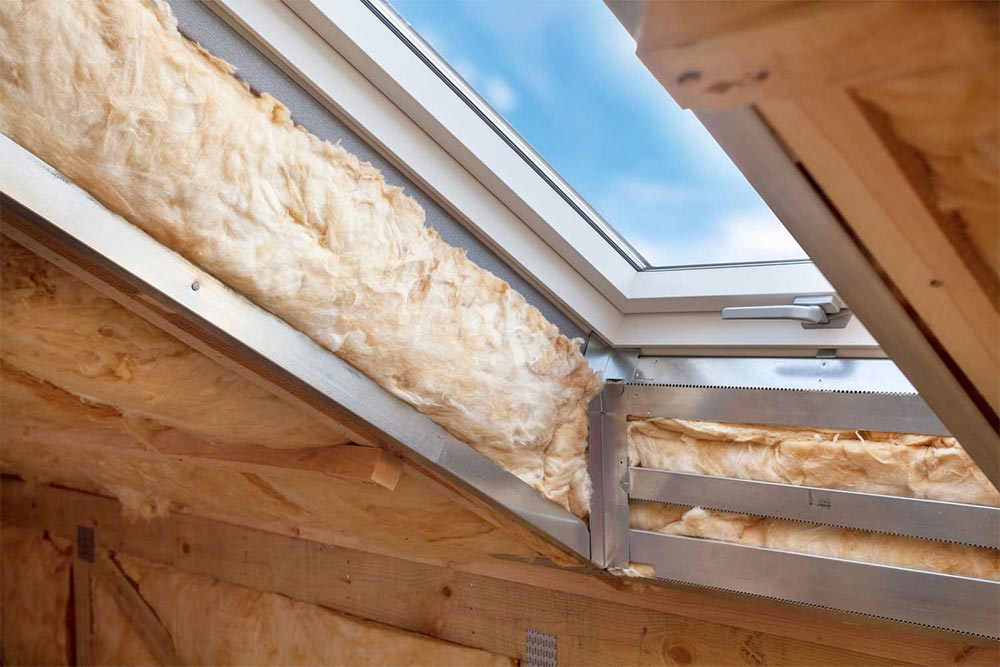
Properly maintaining your home’s insulation is essential for energy efficiency, comfort, and preventing costly repairs. Over time, insulation in your attic or under your roof can deteriorate or become damaged due to moisture, pests, or simple wear and tear. Understanding how to inspect roof insulation is a valuable skill for any homeowner, as early detection of issues can save money and extend the life of your roofing system.
This guide will walk you through the steps to assess the condition of your insulation, recognize common warning signs, and know when to seek professional help. For a deeper dive into related topics, you may also find our resource on roof insulation and moisture control helpful, especially if moisture problems are a concern in your area.
Why Regular Roof Insulation Checks Matter
Insulation acts as a barrier, keeping your home warm in winter and cool in summer. When insulation is compromised, you may notice higher energy bills, uneven temperatures, or even structural issues. Regularly checking your attic or roof insulation helps you catch problems early, maintain indoor comfort, and avoid expensive repairs.
Damaged insulation can also contribute to moisture buildup, leading to mold growth or wood rot. If you live in an area with extreme temperatures, choosing the right insulation and maintaining it is even more critical. For those in hot or cold climates, consider reading about roof insulation for hot climates or roof insulation for cold climates to ensure your home is properly protected.
Preparing to Examine Your Attic or Roof Space
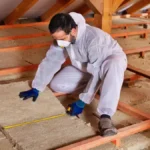
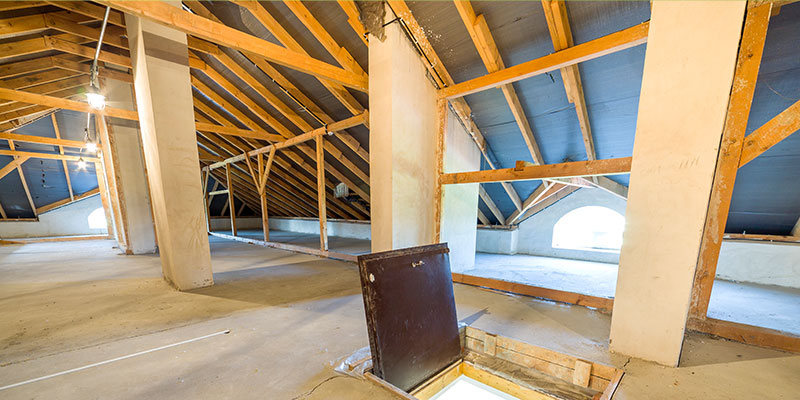
Before you begin, gather the necessary safety equipment and tools. Wear gloves, a dust mask, and long sleeves to protect yourself from fibers and dust. A flashlight and a sturdy ladder are essential, as attics can be dark and difficult to access. If your attic is unfinished, step only on joists or boards to avoid damaging the ceiling below.
Step-by-Step Guide to Assessing Insulation Condition
1. Look for Visible Signs of Deterioration
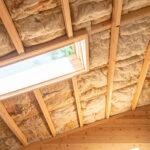
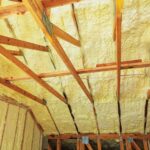
Start by visually inspecting the insulation material. Common types include fiberglass batts, blown-in cellulose, and spray foam. Check for areas where insulation appears compressed, discolored, or missing. Pay special attention to spots near vents, chimneys, and eaves, as these are prone to damage.
- Discoloration: Yellowing or dark patches may indicate moisture intrusion or mold.
- Compaction: Insulation that has settled or been compressed loses effectiveness.
- Gaps: Missing or uneven insulation can create cold spots and reduce energy efficiency.
2. Check for Moisture and Mold Issues
Moisture is one of the most common causes of insulation damage. Use your flashlight to look for damp spots, water stains, or mold growth on and around the insulation. A musty odor is another sign of hidden moisture problems. Addressing these issues quickly is crucial to prevent further damage to your roof structure.
For more information on preventing condensation and related problems, our article on roof insulation and condensation prevention offers practical advice.
3. Identify Pest Activity
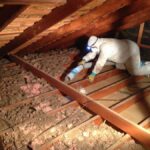
Rodents, birds, and insects can nest in attic insulation, causing contamination and loss of performance. Look for droppings, shredded material, or tunnels within the insulation. If you find evidence of pests, it’s important to address the infestation and replace any affected insulation.
4. Evaluate the Thickness and Coverage
The effectiveness of your attic insulation depends on having adequate thickness and even coverage. Use a ruler or tape measure to check the depth in several locations. Compare your findings to recommended R-values for your climate zone. Insufficient insulation can lead to heat loss and higher utility bills.

5. Inspect for Air Leaks and Drafts
Even if your insulation looks intact, air leaks can undermine its performance. Check around attic hatches, plumbing vents, and electrical penetrations for gaps or cracks. Sealing these areas with caulk or expanding foam can help maintain consistent indoor temperatures and reduce energy costs.
What to Do If You Find Damage
If your inspection reveals significant issues—such as widespread moisture, mold, pest infestation, or missing insulation—it’s wise to consult a professional. Some repairs, like removing moldy material or addressing structural leaks, require specialized skills and equipment. For minor problems, such as topping up thin areas or sealing small gaps, many homeowners can handle the work themselves.
Upgrading insulation not only restores comfort but can also improve your home’s energy efficiency. To learn more about maximizing savings, see our guide on roof insulation for energy efficiency.
Tips for Maintaining Roof Insulation Over Time
- Schedule annual attic inspections, especially after storms or extreme weather.
- Keep attic vents clear to prevent moisture buildup.
- Address roof leaks promptly to avoid water damage.
- Replace or add insulation as needed to maintain recommended R-values.
- Monitor for signs of pests and take action quickly if detected.
Frequently Asked Questions
How often should I check my attic insulation?
It’s best to inspect your attic insulation at least once a year, ideally before the heating or cooling season begins. Additional checks are recommended after severe weather events or if you notice changes in indoor comfort or energy bills.
What are the most common signs of insulation damage?
Key indicators include visible gaps, compressed or discolored material, musty odors, evidence of pests, and increased energy costs. Moisture stains or mold growth are also serious warning signs that require immediate attention.
Can I add new insulation over old insulation?
In many cases, you can add new insulation on top of existing material, provided the old insulation is dry, free of mold, and not infested with pests. However, if the existing insulation is wet or contaminated, it should be removed and replaced.
Does damaged insulation affect indoor air quality?
Yes, damaged or moldy insulation can release particles and allergens into your home’s air, potentially causing respiratory issues. Promptly addressing issues helps maintain a healthy indoor environment.
Should I hire a professional or do it myself?
Simple inspections and minor repairs can often be handled by homeowners. However, if you encounter mold, structural damage, or extensive pest activity, it’s best to consult a qualified insulation contractor.