


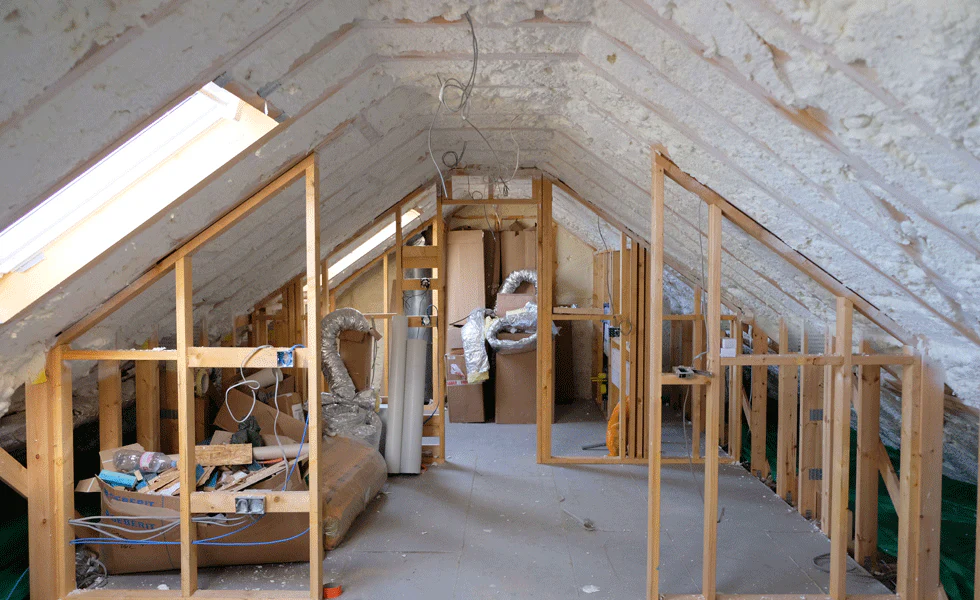
Attic insulation is a crucial factor in maintaining a comfortable home and controlling energy costs. Among the various options available, spray foam insulation stands out for its ability to create an effective air seal and provide superior thermal resistance. Understanding how spray foam insulation works in attic spaces can help homeowners make informed decisions about improving their home’s efficiency and comfort.
This article explores the science behind spray foam, the installation process, its benefits, and key considerations for attic applications. If you’re considering upgrading your attic’s insulation or want to learn more about modern solutions, you’ll find practical insights here. For those with older properties, you may also want to review attic insulation for old homes to compare traditional and modern approaches.
The Science Behind Spray Foam in Attic Spaces
To understand how spray foam insulation works in attics, it’s helpful to look at its composition and behavior. Spray foam is a two-part mixture, typically made from isocyanate and polyol resin. When these chemicals combine, they react and expand rapidly, forming a dense, rigid foam that adheres to surfaces. This expansion allows the foam to fill gaps, cracks, and hard-to-reach spaces commonly found in attic structures.
There are two primary types of spray foam used for attic insulation:
- Open-cell spray foam: Lightweight and flexible, this type has a lower R-value per inch but offers excellent air sealing and sound dampening.
- Closed-cell spray foam: Denser and more rigid, closed-cell foam provides a higher R-value per inch and adds structural strength, as well as moisture resistance.
Both types work by creating an effective barrier against air infiltration and heat transfer, which is essential for attic environments where temperature fluctuations are common.
How the Application Process Works
The installation of spray foam in attics involves specialized equipment and trained professionals. The process begins with a thorough assessment of the attic’s structure, identifying areas where heat loss or air leakage is most significant. Surfaces are prepared by removing debris and ensuring they’re dry and free from contaminants.

Technicians use a spray gun to apply the foam mixture directly onto the attic floor, roof deck, or between rafters. As the foam is sprayed, it expands rapidly—sometimes up to 30-60 times its original volume—filling cavities and forming a continuous, seamless layer. This expansion is what sets spray foam apart from traditional batt or blown-in insulation, which can leave gaps or settle over time.
After application, the foam cures within minutes, forming a durable and long-lasting insulation layer. Proper ventilation and safety precautions are essential during installation, as the chemicals used can be hazardous before curing.
Key Benefits of Spray Foam for Attic Insulation
Choosing spray foam for attic insulation offers several advantages over conventional materials:
- Superior air sealing: The expanding foam fills every nook and cranny, reducing drafts and preventing conditioned air from escaping.
- High thermal resistance: With higher R-values per inch, especially in closed-cell varieties, spray foam helps maintain stable indoor temperatures year-round.
- Moisture control: Closed-cell spray foam acts as a vapor barrier, helping to prevent condensation and mold growth in attics.
- Structural reinforcement: The rigid nature of closed-cell foam can add strength to roof decks and rafters.
- Longevity: Unlike some traditional insulation, spray foam does not sag, settle, or degrade quickly, ensuring long-term performance.
These benefits make spray foam a popular choice for homeowners seeking to improve energy efficiency and indoor comfort, especially in regions with extreme temperatures.
Considerations Before Installing Spray Foam in Attics
While spray foam offers many advantages, there are important factors to weigh before installation:
- Cost: Spray foam insulation typically has a higher upfront cost compared to fiberglass or cellulose. However, the long-term energy savings can offset this initial investment.
- Professional installation required: Due to the chemical process and equipment involved, DIY installation is not recommended.
- Potential for trapped moisture: If not installed correctly, spray foam can trap moisture against roof sheathing, leading to wood rot or mold. Proper attic ventilation and moisture assessment are crucial.
- Compatibility with existing insulation: In some cases, old insulation may need to be removed before applying spray foam, especially if it’s damaged or contaminated.
For a step-by-step approach to improving attic insulation, see this guide on how to add insulation to an attic.
How Spray Foam Insulation Improves Attic Efficiency
The primary way spray foam enhances attic efficiency is by minimizing air leaks and heat transfer. In many homes, attics are a major source of energy loss due to gaps around vents, chimneys, and junctions between framing members. By sealing these areas, spray foam reduces the workload on heating and cooling systems, resulting in lower utility bills and more consistent indoor temperatures.
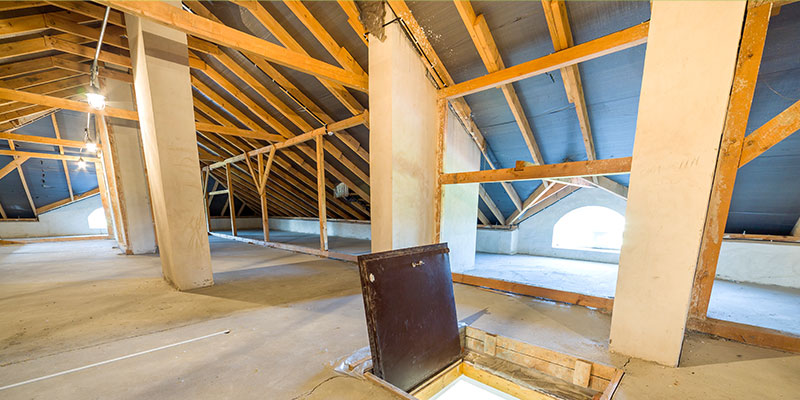
Additionally, spray foam can help control humidity levels in the attic, reducing the risk of condensation and mold. This is particularly important in climates with high humidity or frequent temperature swings. When combined with proper attic ventilation, spray foam creates a balanced environment that protects both the home’s structure and its occupants’ comfort.
If you’re interested in learning more about the relationship between insulation and airflow, the article on attic insulation and ventilation relationship provides further insight.
Common Questions About Spray Foam in Attics
Is Spray Foam Safe for All Types of Attics?
Spray foam can be used in most attic types, including vented and unvented designs. However, it’s essential to assess the attic’s structure and existing ventilation before installation. In some cases, additional ventilation or moisture barriers may be needed to prevent issues.
How Long Does Spray Foam Insulation Last?
When installed correctly, spray foam can last for several decades. It does not sag or settle like some traditional materials, and its performance remains stable over time. Regular inspections are recommended to ensure there are no issues with moisture or pests.
Can I Add Spray Foam Over Existing Insulation?
In certain situations, spray foam can be applied over existing insulation, but it’s important to evaluate the condition of the old material first. Damaged, wet, or moldy insulation should be removed to ensure the spray foam adheres properly and delivers optimal performance.
Does Spray Foam Affect Roof Longevity?
Properly installed spray foam can actually help extend the lifespan of your roof by reducing temperature fluctuations and moisture intrusion. For more details, the article on how roof insulation affects roof lifespan explains the connection between insulation and roof durability.
Conclusion
Understanding how spray foam insulation works in attic environments is key to making informed decisions about home energy upgrades. By creating an airtight seal and providing high thermal resistance, spray foam offers a modern solution for homeowners seeking efficiency, comfort, and long-term value. While the initial investment may be higher, the benefits in energy savings, air quality, and structural protection make it a compelling choice for many properties.
Before proceeding, consult with a qualified insulation contractor to evaluate your attic’s specific needs and ensure proper installation. For those looking to maximize efficiency, don’t overlook the importance of sealing air leaks—see this resource on how to seal attic air leaks for additional tips.


