


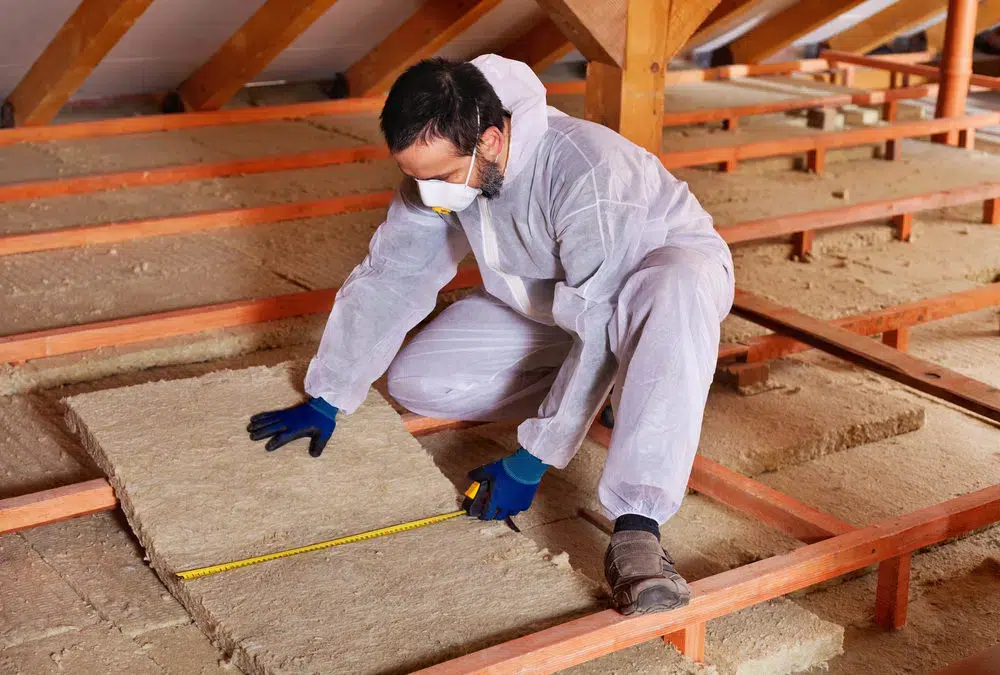
Managing energy consumption is a top priority for homeowners and property managers alike. One of the most effective strategies for achieving lower utility bills and a more comfortable indoor environment is improving the thermal barrier above your living spaces. Understanding how roof insulation reduces energy use can help you make informed decisions about upgrades and maintenance that pay off in both comfort and cost savings.
Roof insulation acts as a shield, slowing the transfer of heat between your home and the outdoors. This means your heating and cooling systems don’t have to work as hard to maintain comfortable temperatures, especially during extreme weather. By investing in the right materials and ensuring proper installation, you can significantly cut down on wasted energy and enjoy a more sustainable home.
For those looking to keep their insulation in top condition, regular maintenance is key. You can find practical advice on attic insulation seasonal maintenance to ensure your home remains energy efficient throughout the year.
Why Insulating Your Roof Matters for Energy Efficiency
The roof is one of the largest surfaces exposed to the sun and outdoor temperatures. Without a proper barrier, heat can easily escape during winter or enter during summer, forcing your HVAC system to work overtime. This not only increases energy bills but also puts more strain on your heating and cooling equipment, potentially shortening its lifespan.
By installing effective insulation, you create a buffer that keeps conditioned air inside and outdoor temperatures at bay. This simple upgrade can lead to a noticeable reduction in energy use, making your home more comfortable and environmentally friendly.

How Roof Insulation Reduces Energy Use in Homes
The process by which insulation cuts down on energy consumption is straightforward but powerful. Here’s how it works:
- Thermal Resistance (R-Value): Insulation is rated by its R-value, which measures its ability to resist heat flow. The higher the R-value, the better the material is at keeping heat from passing through your roof.
- Minimizing Heat Loss: In colder months, insulation traps warm air inside, reducing the need for constant heating.
- Blocking Heat Gain: During summer, insulation prevents hot air from entering, so your air conditioner doesn’t have to run as often.
- Reducing Air Leaks: Properly installed insulation also helps seal gaps and cracks, preventing drafts and further energy loss.
These combined effects directly impact your monthly energy bills and the overall carbon footprint of your home.
Types of Roof Insulation and Their Impact on Energy Savings
There are several materials and methods used to insulate roofs, each with its own benefits. Choosing the right one depends on your climate, roof structure, and budget.
- Fiberglass Batts: Widely used due to affordability and ease of installation. Offers good thermal resistance when installed correctly.
- Spray Foam: Expands to fill gaps, providing excellent air sealing and high R-values. Particularly effective in irregular or hard-to-reach spaces.
- Blown-In Cellulose: Made from recycled materials, this option is eco-friendly and effective at reducing heat transfer.
- Rigid Foam Boards: Used in both new construction and retrofits, these boards deliver high insulation values in a thin profile.
The key to maximizing energy savings is not just the material, but also the quality of installation. Gaps, compression, or moisture issues can all undermine the performance of even the best insulation.
Long-Term Benefits of Effective Roof Insulation
Beyond immediate reductions in utility costs, proper insulation offers a range of long-term advantages:
- Consistent Indoor Temperatures: Less fluctuation means greater comfort year-round.
- Lower HVAC Maintenance: Reduced workload on heating and cooling systems can extend their lifespan and decrease repair costs.
- Environmental Impact: Using less energy helps lower greenhouse gas emissions, contributing to a healthier planet.
- Increased Property Value: Energy-efficient homes are more attractive to buyers and often command higher resale prices.
To keep enjoying these benefits, it’s important to monitor your insulation’s condition over time. If you notice temperature inconsistencies or rising energy bills, it may be time to check for attic insulation replacement signs or address attic insulation common problems.
Best Practices for Maintaining Roof Insulation Efficiency
Even the best insulation can lose effectiveness if not properly maintained. Here are some steps to ensure your home continues to benefit from reduced energy use:
- Regular Inspections: Check for moisture, pests, or physical damage at least once a year. Learn how to inspect attic insulation to catch issues early.
- Address Air Leaks: Seal any gaps around vents, chimneys, or light fixtures to prevent conditioned air from escaping.
- Upgrade When Needed: If your insulation is outdated or insufficient, consider adding more or replacing it with higher-performance materials.
- Keep It Dry: Moisture can severely reduce insulation’s effectiveness. Ensure your roof is free of leaks and your attic is properly ventilated.
For more detailed advice on keeping your insulation performing at its best, check out this guide on how to maintain attic insulation.
Frequently Asked Questions
What is the most effective type of roof insulation for reducing energy use?
The best option depends on your climate, roof structure, and budget. Spray foam offers excellent air sealing and high R-values, while fiberglass batts and blown-in cellulose are cost-effective and widely used. Consulting a professional can help you choose the right solution for your home.
How often should roof insulation be inspected or replaced?
It’s wise to inspect your insulation annually and after severe weather events. Most materials last 15–30 years, but issues like moisture, pests, or settling can reduce their lifespan. If you notice uneven temperatures or higher energy bills, an inspection is recommended.
Can adding more insulation always lead to greater energy savings?
While increasing insulation can improve efficiency, there is a point of diminishing returns. Once your home meets or exceeds recommended R-values for your region, adding more may not significantly impact energy use. Proper installation and addressing air leaks are just as important as the amount of insulation.
Does roof insulation help in both hot and cold climates?
Yes, insulation is beneficial in all climates. In cold regions, it keeps heat inside during winter. In hot areas, it blocks outdoor heat from entering, reducing the need for air conditioning. The right insulation helps maintain comfort and efficiency year-round.
Investing in quality roof insulation and maintaining it properly is one of the most effective ways to lower your energy use, reduce costs, and create a more comfortable living space. By understanding the principles behind this upgrade and following best practices, you can enjoy the benefits for years to come.


