


Winter brings a unique set of challenges for homeowners, especially in regions where snow and freezing temperatures are common. One of the most troublesome issues is the formation of ice dams along the edges of roofs. These icy buildups can cause significant damage, leading to leaks, water stains, and even structural problems. Understanding how roof insulation prevents ice dams is essential for anyone looking to protect their home during the colder months.
In this article, we’ll explore the science behind ice dam formation, the critical role of attic insulation, and practical steps you can take to minimize the risk. If you’re interested in keeping your home safe and energy-efficient, addressing insulation is one of the most effective strategies.
For those looking to maintain their attic’s effectiveness throughout the year, check out these attic insulation seasonal maintenance tips to ensure long-term performance.
The Science Behind Ice Dam Formation
Ice dams form when heat escapes from the living space into the attic, warming the underside of the roof. This causes snow on the roof to melt, and the resulting water flows down to the colder eaves, where it refreezes. Over time, this cycle creates a ridge of ice that blocks further runoff, leading to water backing up under shingles and into the home.
The main culprit behind this process is uneven roof temperature, which is often caused by inadequate or poorly installed insulation. Without a proper thermal barrier, warm air from the house rises into the attic, disrupting the temperature balance and setting the stage for ice dams.
Why Proper Attic Insulation Matters
Effective attic insulation acts as a shield, keeping warm air inside your living spaces and preventing it from reaching the roof deck. By maintaining a consistent temperature across the entire roof, insulation helps ensure that snow melts evenly or not at all, reducing the risk of ice dam formation.

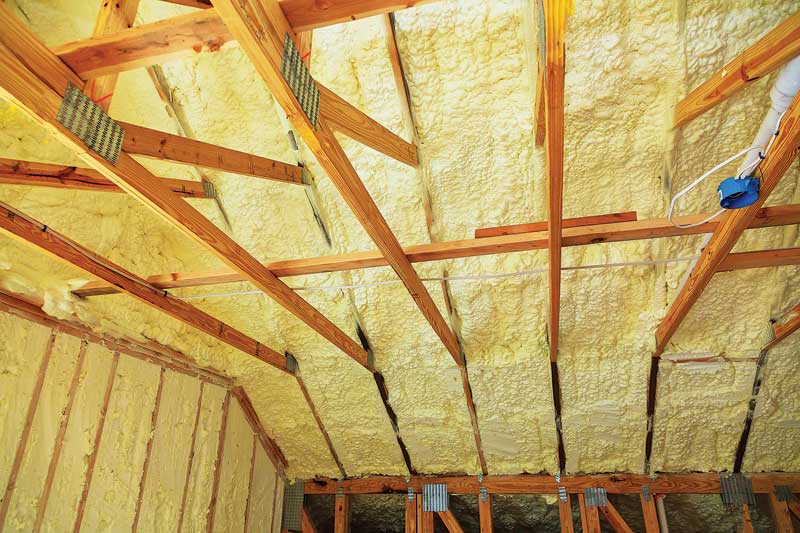
There are several types of insulation commonly used in attics, including fiberglass batts, blown-in cellulose, and spray foam. Each material has its own benefits, but the key is to achieve the recommended R-value for your climate zone. The higher the R-value, the better the insulation’s resistance to heat flow.
In addition to insulation, proper attic ventilation is crucial. Ventilation allows cold air to circulate under the roof, further helping to maintain a uniform temperature and prevent the conditions that lead to ice dams.
How Roof Insulation Prevents Ice Dams: Key Mechanisms
Let’s break down the specific ways insulation helps stop ice dams from forming:
- Reduces Heat Loss: Insulation slows the transfer of heat from the living areas to the attic, keeping the roof deck cold and minimizing snowmelt.
- Promotes Even Roof Temperature: A well-insulated attic ensures that the entire roof surface remains at a similar temperature, preventing the freeze-thaw cycle that creates ice dams.
- Protects Roof Structure: By preventing water from backing up under shingles, insulation helps avoid leaks, rot, and mold growth in the roof and attic.
- Improves Energy Efficiency: Proper insulation not only prevents ice dams but also lowers heating costs by keeping warm air where it belongs.
For more guidance on keeping your attic insulation in top shape, see these tips on how to maintain attic insulation for long-term performance.
Common Insulation Issues That Lead to Ice Dams
Even with insulation in place, certain problems can undermine its effectiveness. Here are some frequent issues that can contribute to ice dam formation:
- Gaps and Voids: Missing or compressed insulation leaves areas where heat can escape, creating warm spots on the roof.
- Poor Air Sealing: Cracks, holes, or unsealed penetrations in the attic floor allow warm air to leak upward, bypassing insulation.
- Insufficient R-Value: Using too little insulation, or the wrong type for your climate, reduces its ability to block heat transfer.
- Obstructed Ventilation: Blocked soffit or ridge vents prevent cold air from circulating, making it harder to keep the roof deck cold.
Regular inspections can help catch these problems before they lead to costly damage. Learn more about how to inspect attic insulation the right way to spot trouble early.
Best Practices for Installing and Upgrading Attic Insulation
Whether you’re adding new insulation or upgrading existing material, following best practices is essential for maximum effectiveness and ice dam prevention:
- Seal Air Leaks First: Before adding insulation, use caulk or spray foam to seal gaps around pipes, wiring, and light fixtures.
- Choose the Right Material: Select insulation with the appropriate R-value for your region and attic design.
- Ensure Even Coverage: Distribute insulation evenly, avoiding compressed or missing areas that can create thermal bridges.
- Maintain Ventilation: Keep soffit and ridge vents clear to allow airflow and prevent moisture buildup.
- Consider Professional Help: For complex attics or spray foam applications, hiring a qualified contractor can ensure proper installation.
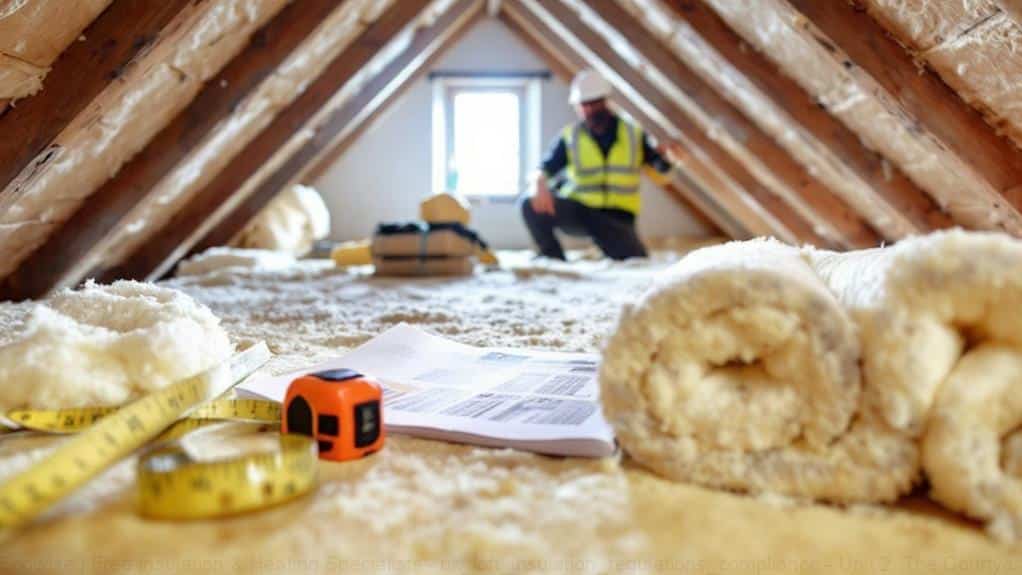
If you notice persistent problems or suspect your insulation isn’t performing as it should, it may be time to look for attic insulation replacement signs and consider an upgrade.
Addressing Related Attic Insulation Problems
Sometimes, issues beyond just insulation thickness or material can contribute to ice dam risks. Moisture problems, pest infestations, and improper installation are all factors that can reduce the effectiveness of your attic’s thermal barrier. Addressing these attic insulation common problems is crucial for comprehensive winter protection.
Frequently Asked Questions
What is the ideal R-value for attic insulation to prevent ice dams?
The recommended R-value depends on your climate zone, but most experts suggest an R-value between R-38 and R-60 for attics in cold regions. This level of insulation helps maintain a cold roof deck and minimizes the risk of ice dam formation.
Can I add new insulation over old insulation in my attic?
Yes, as long as the existing insulation is dry, free of mold, and not compressed. Adding a new layer can improve energy efficiency and further reduce the risk of ice dams, but always address air leaks and ventilation first.
How do I know if my home is at risk for ice dams?
Signs of risk include uneven snow melt on the roof, icicles forming along the eaves, and water stains on ceilings or walls. If you notice these issues, it’s a good idea to inspect your attic insulation and ventilation to identify potential problems.
Is ventilation as important as insulation for ice dam prevention?
Absolutely. While insulation keeps heat out of the attic, ventilation ensures that any warm air that does enter is quickly replaced with cold outdoor air. Both are essential for maintaining a cold roof deck and preventing ice dams.
Conclusion
Preventing ice dams is all about maintaining a consistent, cold temperature across your roof during winter. High-quality attic insulation, combined with proper air sealing and ventilation, forms the foundation of an effective defense against these damaging ice buildups. By understanding how roof insulation prevents ice dams and taking proactive steps, homeowners can protect their property, save on energy costs, and enjoy greater peace of mind throughout the coldest months.


