Effective roof insulation is a cornerstone of energy-efficient building design. By minimizing heat transfer through the roof, insulation plays a crucial role in maintaining comfortable indoor temperatures and reducing energy consumption. Understanding how roof insulation improves thermal performance can help homeowners, builders, and renovators make informed decisions that benefit both comfort and cost savings.
This guide explores the science behind insulation, the types of materials available, and practical considerations for optimizing the thermal efficiency of your home. If you’re interested in related topics, such as roof insulation and moisture control, you can find more detailed information on our site.

The Role of Roof Insulation in Energy Efficiency
Roofs are a primary area where buildings lose or gain heat. In winter, warm air rises and escapes through poorly insulated roofs, while in summer, solar heat penetrates, making cooling systems work harder. By adding a layer of insulating material, the rate of heat transfer is significantly reduced, leading to more stable indoor temperatures and lower energy bills.
The effectiveness of insulation is measured by its R-value, which indicates resistance to heat flow. The higher the R-value, the better the material is at slowing heat transfer. Selecting the right insulation and ensuring proper installation are both essential for maximizing thermal benefits.
How Insulation Minimizes Heat Transfer
To understand how roof insulation improves thermal performance, it’s helpful to look at the three main ways heat moves: conduction, convection, and radiation.
- Conduction: Heat moves through solid materials. Insulation materials with low thermal conductivity slow this process.
- Convection: Air movement can carry heat away. Properly installed insulation limits air movement within the roof cavity.
- Radiation: Heat can be transferred by electromagnetic waves. Reflective insulation materials can reduce radiant heat gain, especially in hot climates.
Types of Roof Insulation Materials
There are several types of insulation materials commonly used in roofing, each with its own advantages and best-use scenarios. Choosing the right product depends on climate, budget, and the specific needs of your building.
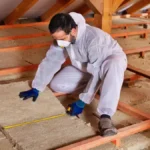
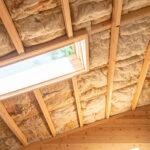
- Fiberglass Batts: Widely used for attics and roof spaces, fiberglass batts are affordable and easy to install. They offer good thermal resistance but must be installed without gaps to be effective.
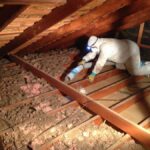
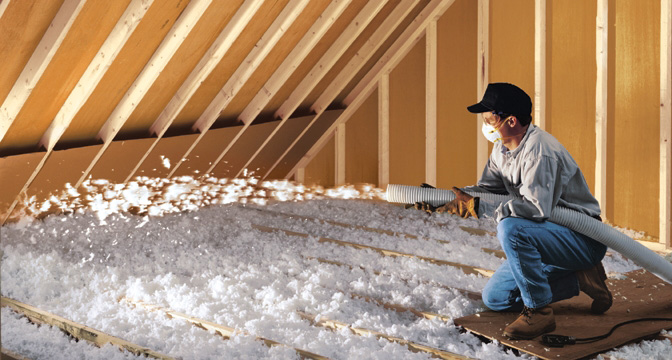
- Blown-In Insulation: Loose-fill fiberglass or cellulose can be blown into attic spaces, filling gaps and providing consistent coverage. This method is ideal for retrofitting older homes.
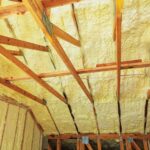
- Spray Foam: Expanding foam provides excellent air sealing and high R-values. It is particularly effective in hard-to-reach areas and for creating a continuous insulation barrier.
- Rigid Foam Boards: These panels offer high insulation values and are often used in flat roofs or as an additional layer over existing insulation.
- Reflective Foil: Especially useful in hot climates, foil-faced insulation reflects radiant heat away from the living space.
For more tailored advice on selecting materials for your region, consider reading about roof insulation for hot climates or roof insulation for cold climates.
Installation Techniques That Boost Thermal Efficiency
The way insulation is installed can have as much impact on performance as the material itself. Gaps, compression, or poorly sealed joints can undermine the effectiveness of even the best insulation products.
- Continuous Coverage: Ensure insulation is installed without gaps or voids, especially around pipes, vents, and electrical fixtures.
- Proper Thickness: Follow recommended R-values for your climate zone. Adding extra layers can improve performance, but only if installed correctly.
- Air Sealing: Use caulk or foam to seal leaks around penetrations and at the junctions of walls and roofs.
- Ventilation: Maintain adequate attic ventilation to prevent moisture buildup, which can reduce insulation effectiveness and lead to other problems.
Climate Considerations and Roof Insulation Performance
The benefits of insulation vary depending on local weather patterns. In colder regions, the focus is on keeping heat inside during winter. In hot climates, the priority shifts to blocking heat gain from the sun. The right approach can make a significant difference in comfort and energy use.
For those interested in maximizing energy savings, our resource on roof insulation for energy efficiency provides more in-depth strategies.
Additional Benefits Beyond Thermal Performance
While the primary goal is to improve thermal efficiency, roof insulation offers several other advantages:
- Moisture Control: Proper insulation helps prevent condensation and related issues such as mold and rot. For more on this, see our article on roof insulation and condensation prevention.
- Soundproofing: Insulation can reduce the transmission of outside noise, making your home quieter.
- Environmental Impact: Lower energy use means reduced greenhouse gas emissions, contributing to a more sustainable home.
- Increased Property Value: Energy-efficient homes are often more attractive to buyers and can command higher prices.
Common Mistakes to Avoid
Even with quality materials, mistakes during installation or planning can limit the effectiveness of insulation. Here are some pitfalls to watch out for:
- Underinsulating: Using less insulation than recommended for your climate zone will not deliver optimal results.
- Poor Air Sealing: Failing to seal leaks allows air (and heat) to bypass insulation layers.
- Ignoring Moisture Issues: Not addressing ventilation or vapor barriers can lead to dampness and reduced performance.
- Improper Material Selection: Choosing the wrong type of insulation for your roof structure or climate can waste money and energy.
FAQs About Roof Insulation and Thermal Performance
What is the best type of insulation for maximizing thermal efficiency?
The best insulation depends on your climate, roof structure, and budget. In general, materials with higher R-values like spray foam or rigid foam boards provide excellent thermal resistance. However, blown-in cellulose or fiberglass can be very effective when installed to the correct depth and without gaps.
How much insulation do I need in my roof?
The recommended amount varies by region and local building codes. Colder climates typically require higher R-values, while milder areas may need less. It’s important to consult local guidelines or a professional to ensure you meet or exceed minimum requirements for your area.
Can adding insulation help with moisture and condensation problems?
Yes, proper insulation combined with air sealing and adequate ventilation can help prevent condensation and related moisture issues. This not only improves energy efficiency but also protects your home from mold and structural damage.
Will insulating my roof lower my energy bills?
Absolutely. By reducing heat loss in winter and heat gain in summer, roof insulation can significantly decrease the need for heating and cooling, resulting in lower utility costs.
Is it possible to retrofit insulation in an existing roof?
Yes, many insulation types, such as blown-in or spray foam, are suitable for retrofitting older homes. A professional assessment can help determine the best approach for your specific situation.
In summary, understanding how roof insulation improves thermal performance is essential for anyone looking to create a more comfortable, energy-efficient, and durable home. By selecting the right materials, ensuring proper installation, and considering climate-specific needs, you can maximize the benefits of your investment and enjoy lasting results.