


Maintaining a comfortable indoor environment is a priority for homeowners, especially as seasons change and energy costs fluctuate. One of the most effective ways to achieve consistent comfort is by addressing the thermal performance of your home’s roof. Understanding how roof insulation improves comfort can help you make informed decisions that benefit both your living experience and your energy bills.
Roof insulation acts as a barrier, regulating the transfer of heat between your living space and the outdoors. This guide explores the practical benefits of proper insulation, the science behind its effectiveness, and actionable steps for homeowners seeking to enhance their daily comfort. If you’re considering upgrades or want to learn more about the impact of insulation, you’re in the right place.
For those living in colder regions, choosing the right material is crucial. Explore the best attic insulation choices for cold climate homes to ensure optimal performance year-round.
Understanding the Role of Roof Insulation in Home Comfort
The primary function of roof insulation is to slow down the movement of heat. In winter, it keeps warmth inside, while in summer, it prevents excessive heat from entering. This thermal resistance is measured by the R-value—the higher the R-value, the better the insulation’s effectiveness.
Without adequate insulation, homes are vulnerable to temperature swings, drafts, and uneven heating or cooling. This not only affects comfort but also puts extra strain on HVAC systems, leading to higher energy consumption and costs.

Key Ways Roof Insulation Enhances Comfort
Temperature Regulation Throughout the Year
One of the most noticeable benefits of quality roof insulation is its ability to maintain a steady indoor temperature. During hot summers, insulation reduces the amount of heat entering your home, making living spaces cooler and more pleasant. In colder months, it helps retain heat, minimizing cold spots and drafts.
This consistent temperature control is a direct result of how roof insulation improves comfort by creating a buffer zone between the interior and exterior environments.
Lower Energy Bills and Efficient HVAC Operation
When insulation is lacking, heating and cooling systems must work harder to compensate for heat loss or gain. This not only leads to discomfort but also increases utility expenses. By upgrading your roof insulation, you can reduce the workload on your HVAC system, resulting in lower monthly bills and a more sustainable home.
For more details on the financial impact, see how attic insulation helps reduce monthly energy bills.
Improved Indoor Air Quality and Moisture Control
Effective insulation doesn’t just regulate temperature; it also helps manage moisture. By minimizing condensation and preventing the infiltration of outdoor air, insulation supports a healthier indoor environment. This is especially important in areas prone to humidity or where mold growth is a concern.
To understand more about this aspect, read about attic insulation and moisture control.
Types of Roof Insulation and Their Impact on Comfort
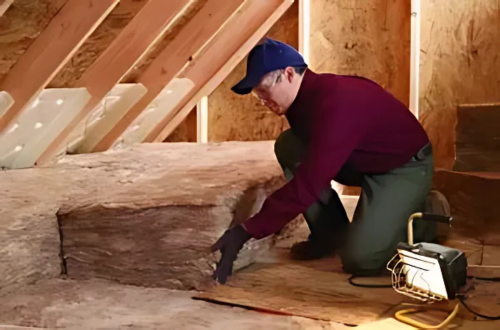
There are several insulation materials available, each offering unique benefits. The most common types include fiberglass batts, blown-in cellulose, spray foam, and rigid foam boards. The choice depends on your climate, roof structure, and budget.
- Fiberglass Batts: Widely used for their affordability and ease of installation. They provide reliable thermal resistance when properly fitted.
- Blown-In Cellulose: Made from recycled paper, this type fills gaps and hard-to-reach areas, improving overall coverage.
- Spray Foam: Offers superior air sealing and high R-value per inch, ideal for irregular spaces or where air leaks are a concern.
- Rigid Foam Boards: Provide excellent insulation and moisture resistance, often used in new construction or major renovations.
Selecting the right insulation is essential for maximizing comfort and efficiency. In hot regions, consider exploring attic insulation options for hot climate homes.
Additional Benefits of Proper Roof Insulation
Noise Reduction
Insulation doesn’t just block heat—it also dampens sound. A well-insulated roof can significantly reduce the intrusion of outdoor noise, creating a quieter and more peaceful living environment.
Protection Against Mold and Structural Damage
By controlling temperature and moisture, insulation helps prevent conditions that lead to mold growth and wood rot. This extends the lifespan of your roof and contributes to a healthier home. For more on this topic, see how attic insulation helps prevent mold growth.
Environmental Impact
Reducing energy consumption through effective insulation lowers your home’s carbon footprint. This not only benefits your household but also contributes to broader environmental sustainability efforts.
How to Assess and Upgrade Your Roof Insulation
If you’re unsure about the current state of your roof insulation, start with a visual inspection. Look for uneven coverage, compressed or damp material, and gaps near eaves or vents. Professional energy audits can provide a more detailed assessment and pinpoint areas for improvement.
- Check Existing Insulation: Measure thickness and look for signs of wear or damage.
- Seal Air Leaks: Address gaps around light fixtures, attic hatches, and ductwork before adding new material.
- Choose the Right Material: Consider climate, budget, and specific comfort needs when selecting insulation.
- Install Properly: Follow manufacturer guidelines or hire a qualified contractor to ensure optimal performance.
Regular maintenance and timely upgrades can make a noticeable difference in how comfortable your home feels day to day.
Frequently Asked Questions
How does roof insulation affect comfort in both summer and winter?
Roof insulation acts as a thermal barrier, keeping heat out during summer and retaining warmth in winter. This results in more stable indoor temperatures and reduces the need for constant heating or cooling, directly enhancing daily comfort.
Can upgrading roof insulation help with energy savings?
Yes, improving your roof insulation reduces the workload on your HVAC system, leading to lower energy consumption and utility bills. Over time, these savings can offset the initial investment in insulation materials and installation.
What are signs that my home needs better roof insulation?
Common indicators include uneven temperatures between rooms, frequent HVAC cycling, high energy bills, and visible gaps or thin spots in existing insulation. Addressing these issues can significantly improve comfort and efficiency.
Is roof insulation beneficial in humid climates?
Absolutely. In humid areas, proper insulation helps control moisture and condensation, reducing the risk of mold and maintaining a healthier indoor environment.
Conclusion
Investing in quality roof insulation is one of the most effective steps you can take to enhance your home’s comfort, efficiency, and long-term value. By understanding the science behind insulation and choosing the right materials for your climate, you’ll enjoy more consistent temperatures, lower energy bills, and a healthier living space. Whether you’re building new or upgrading an existing home, the benefits of proper insulation are clear and lasting.


