


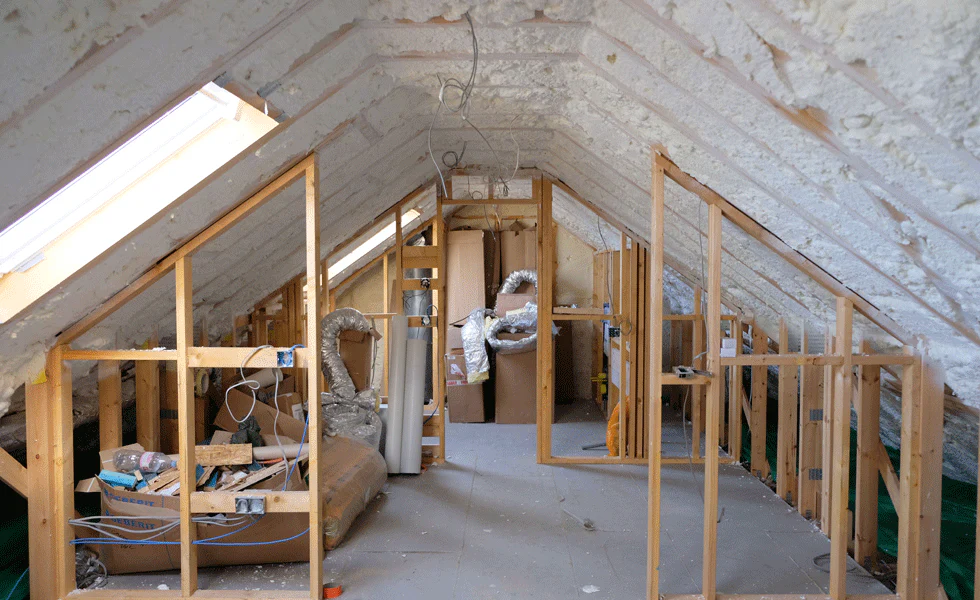
Keeping your home warm during the colder months can be a significant expense, especially if your house isn’t properly insulated. One of the most effective ways to manage these expenses is by focusing on the insulation above your living spaces. Understanding how roof insulation affects heating costs can help homeowners make informed decisions that lead to long-term savings and increased comfort.
This article explores the relationship between insulation in your roof and your household energy bills. You’ll learn why proper insulation is crucial, how it works, and what options are available to maximize efficiency. For a deeper dive into the science behind attic insulation, you might find this resource on how does attic insulation work helpful as well.
Why Insulation Matters for Energy Efficiency
The primary function of roof insulation is to act as a barrier, slowing the transfer of heat between your home’s interior and the outside environment. In winter, this means keeping warmth inside, reducing the amount of energy needed to maintain a comfortable temperature. In summer, it helps prevent heat from entering, which can also lower cooling costs.
Without adequate insulation, heat escapes through the roof, forcing your heating system to work harder and consume more energy. This not only increases your utility bills but also puts unnecessary strain on your HVAC equipment.
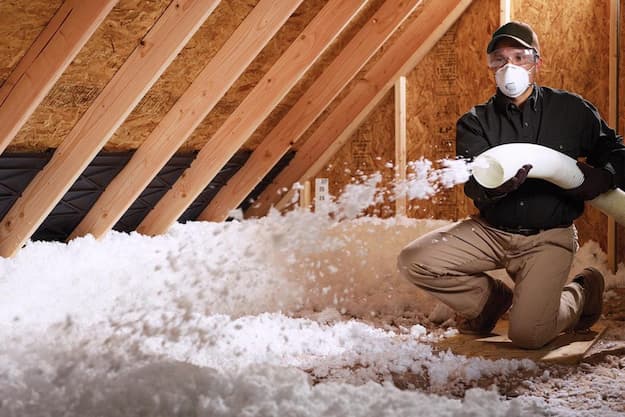
How Roof Insulation Affects Heating Costs: The Science Explained
Heat naturally moves from warmer areas to cooler ones. In a home, this means that in winter, heat generated by your furnace or heat pump will try to escape to the colder outdoors. The roof is a major escape route, especially in houses with unfinished attics or inadequate insulation.
Properly installed insulation slows this process by trapping air within its fibers or foam structure. This trapped air reduces heat flow, keeping more warmth inside your living spaces. As a result, your heating system doesn’t have to run as often or as long, directly impacting your monthly energy expenses.
According to the U.S. Department of Energy, homeowners can save up to 15% on heating and cooling costs by adding insulation in attics, floors, and crawl spaces. The actual savings depend on your climate, the type of insulation used, and the current state of your home’s envelope.
Types of Roof Insulation and Their Impact
There are several materials and methods for insulating the area above your ceiling. Each type offers different benefits and levels of effectiveness:
- Fiberglass batts: Widely used and affordable, these are easy to install and provide good thermal resistance when fitted correctly.
- Blown-in cellulose: Made from recycled paper products, this insulation is effective at filling gaps and covering irregular spaces.
- Spray foam: Offers superior air sealing and high R-values, making it one of the most efficient options for reducing heat loss.
- Rigid foam boards: Used in specific applications, these boards provide excellent insulation and moisture resistance.
The choice of material can influence both the upfront cost and the long-term savings. For a straightforward overview of available products, see this guide to types of attic insulation.
Key Benefits of Upgrading Your Roof Insulation
Improving the insulation above your home offers several advantages beyond just lower heating bills:
- Consistent indoor temperatures: Fewer cold spots and drafts, leading to greater comfort throughout your home.
- Reduced energy consumption: Less demand on your heating system means lower utility bills and a smaller carbon footprint.
- Extended HVAC lifespan: With less frequent cycling, your furnace or heat pump may last longer and require fewer repairs.
- Increased property value: Energy-efficient upgrades are attractive to potential buyers and can boost resale value.
For a comprehensive look at the advantages, check out this article on the benefits of attic insulation.

Factors That Influence Insulation Effectiveness
While adding insulation is a proven way to reduce heating costs, several factors determine how much you’ll actually save:
- Existing insulation levels: Homes with little or no insulation see the biggest improvements.
- Climate zone: Colder regions benefit more from higher R-value insulation.
- Air sealing: Gaps and leaks around vents, chimneys, and attic hatches can undermine insulation performance.
- Installation quality: Even the best materials won’t perform well if not installed correctly.
Addressing air leaks and ensuring proper installation are just as important as choosing the right insulation material. For more on how these upgrades contribute to savings, see this resource on how attic insulation saves energy.
Signs Your Home May Need Better Roof Insulation
Not sure if your home is losing heat through the roof? Here are some common indicators that your insulation may be lacking:
- Noticeable temperature differences between rooms or floors
- High heating bills compared to similar homes in your area
- Ice dams forming on the roof during winter
- Cold drafts or chilly ceilings
- Visible gaps or thin insulation in the attic
If you notice any of these issues, it may be time to evaluate your insulation and consider an upgrade.
Frequently Asked Questions
How much can I save on heating bills by improving my roof insulation?
The amount you save depends on your current insulation levels, climate, and heating system. On average, homeowners can expect to save up to 15% on heating and cooling costs by upgrading attic insulation and sealing air leaks.
What is the recommended R-value for roof insulation?
The recommended R-value varies by location. In colder climates, R-49 or higher is often suggested for attics, while milder regions may require R-30 to R-38. Always check local building codes for specific recommendations.
Can I add new insulation over old insulation?
In most cases, yes. As long as the existing insulation is dry and free from mold or pest damage, you can add new material on top to increase the overall R-value and improve energy efficiency.
Is professional installation necessary, or can I do it myself?
Some types of insulation, like fiberglass batts, can be installed by homeowners with basic DIY skills. However, for spray foam or blown-in materials, professional installation is recommended to ensure safety and optimal performance.


