


Managing indoor temperatures during hot months can be a challenge, especially as energy prices rise. One of the most effective ways to reduce air conditioning expenses is by improving your home’s thermal barrier. Understanding how roof insulation affects cooling costs is essential for homeowners looking to make smart, energy-efficient upgrades. This article explores the science behind insulation, the types available, and practical steps you can take to keep your home cooler while spending less on energy.
If you’re interested in a deeper dive into attic insulation and its impact on home comfort, check out this detailed guide on how does attic insulation work.

Understanding the Role of Roof Insulation in Energy Efficiency
The roof is a major point of heat transfer in most buildings. During summer, sunlight heats the roof surface, which then radiates heat into the attic and living spaces below. Without a proper barrier, this heat quickly raises indoor temperatures, forcing air conditioners to work harder and driving up energy bills.
Roof insulation acts as a shield, slowing down the movement of heat from the outside in. By reducing the rate at which heat enters your home, insulation helps maintain a stable, comfortable temperature indoors. This means your cooling system runs less frequently and uses less energy, directly impacting your monthly costs.
How Roof Insulation Affects Cooling Costs: The Science Explained
To understand the connection between insulation and cooling expenses, it helps to look at the concept of thermal resistance, or R-value. The higher the R-value, the better the material is at resisting heat flow. Roof insulation with a high R-value slows down the transfer of heat from the roof into your home.

When your attic or roof is well-insulated, less heat makes its way into your living areas. This reduces the load on your air conditioning system, allowing it to cycle less often and run more efficiently. Over time, this can lead to significant savings, especially in regions with long, hot summers.
For more information on the advantages of attic insulation, you can read about the benefits of attic insulation and how it contributes to both comfort and energy efficiency.
Types of Roof Insulation and Their Impact on Cooling Efficiency
There are several kinds of insulation materials commonly used in roofs and attics, each with its own properties and effectiveness. The right choice depends on your climate, roof design, and budget.
- Fiberglass batts and rolls: Widely used due to their affordability and ease of installation. They offer good thermal resistance but must be installed carefully to avoid gaps.
- Blown-in cellulose: Made from recycled paper, this loose-fill material can fill irregular spaces and is effective at reducing air leaks.
- Spray foam: Expands to seal cracks and gaps, providing both insulation and an air barrier. It has a high R-value per inch and is excellent for maximizing energy savings.
- Rigid foam boards: Used in certain roof assemblies, these boards provide continuous insulation and are resistant to moisture.
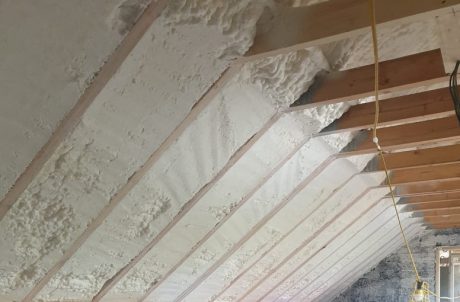
Each of these materials can help lower cooling expenses, but their effectiveness depends on proper installation and achieving the recommended R-value for your region. If you’re curious about the differences between these options, see this overview of types of attic insulation.
Key Factors That Influence Insulation Performance
While adding insulation is a proven way to cut cooling costs, several factors affect how well it works:
- Installation quality: Gaps, compression, or misaligned batts can reduce effectiveness and allow heat to bypass the insulation.
- Air sealing: Even the best insulation won’t stop heat flow if there are air leaks around vents, ducts, or attic hatches. Sealing these gaps is essential.
- Ventilation: Proper attic ventilation helps remove hot air, reducing the temperature difference across the insulation and improving its performance.
- Moisture control: Wet insulation loses its insulating power. Ensuring your roof is watertight and your attic is dry is crucial for long-term energy savings.
By addressing these elements, you can maximize the impact of your insulation investment and enjoy a cooler, more comfortable home.
How to Assess and Upgrade Your Roof Insulation for Better Cooling
If you’re unsure about the condition or effectiveness of your current insulation, a simple inspection can reveal a lot. Look for areas where insulation is thin, compressed, or missing. Pay attention to signs of moisture or mold, which can indicate leaks or inadequate ventilation.
Upgrading your insulation involves:
- Measuring current R-value: Compare your attic’s insulation depth to local recommendations. Many homes, especially older ones, fall short of modern standards.
- Sealing air leaks: Use caulk or spray foam to seal gaps around pipes, wiring, and attic access points.
- Adding more insulation: Layer new material over existing insulation to reach the desired R-value. Avoid compressing what’s already there.
- Ensuring proper ventilation: Install or clear soffit and ridge vents to promote airflow and prevent heat buildup.
For a closer look at how these steps help reduce energy use, you can explore how attic insulation saves energy.
Long-Term Benefits of Effective Roof Insulation
Investing in quality insulation offers more than just lower cooling bills. Homeowners also benefit from:
- Improved comfort: Consistent indoor temperatures and fewer hot spots.
- Reduced wear on HVAC systems: Less frequent cycling extends the life of your air conditioner.
- Environmental impact: Lower energy use means a smaller carbon footprint.
- Increased property value: Energy-efficient upgrades are attractive to buyers and can boost resale value.
These advantages make insulation a smart, cost-effective upgrade for any homeowner seeking to manage utility expenses and improve living conditions.
Frequently Asked Questions
How much can I save on cooling costs by adding roof insulation?
The amount you save depends on your climate, the current state of your insulation, and the efficiency of your cooling system. On average, homeowners can reduce cooling expenses by 10–20% or more with proper insulation and air sealing.
Is it worth upgrading insulation in an older home?
Yes. Many older homes have inadequate or deteriorated insulation, leading to higher energy bills. Upgrading to meet current standards can significantly improve comfort and reduce costs.
What is the best type of insulation for hot climates?
In hot regions, materials with a high R-value and good air-sealing properties, such as spray foam or blown-in cellulose, are especially effective. The right choice also depends on your roof design and budget.
Does insulation help in winter as well?
Absolutely. While this article focuses on summer cooling, insulation also helps retain heat during colder months, reducing heating costs and improving year-round comfort.


