


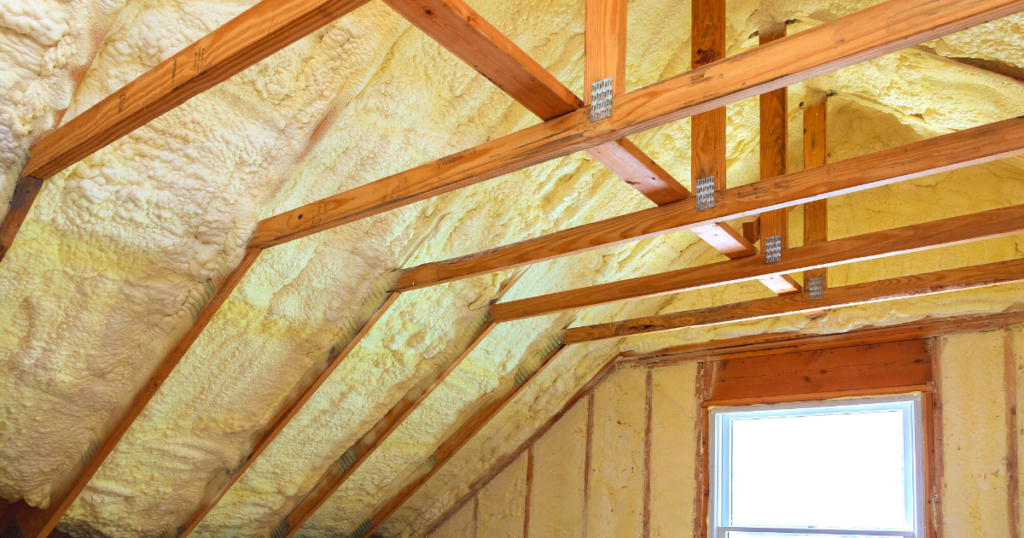
Determining how much attic insulation do I need is a crucial step for homeowners looking to improve energy efficiency, reduce heating and cooling costs, and maintain a comfortable indoor environment year-round. The right amount of insulation in your attic acts as a barrier against heat loss in winter and heat gain in summer, directly affecting your home’s energy performance. However, the ideal insulation level depends on several factors, including your climate zone, the type of insulation material, and the current state of your attic.
Before investing in new insulation or upgrading what you have, it’s important to understand the recommended standards, how to measure existing insulation, and what options are available. This guide will walk you through the essentials, helping you make informed decisions for optimal efficiency and comfort.
For a deeper understanding of insulation performance, including how R-values affect efficiency, consider reading attic insulation R-value explained.
Understanding Insulation Levels and R-Values
The effectiveness of attic insulation is measured by its R-value, which indicates its resistance to heat flow. The higher the R-value, the better the material insulates. The amount of insulation you need depends largely on your geographic location and local climate. Colder regions require higher R-values, while milder climates can achieve efficiency with less.
The U.S. Department of Energy (DOE) provides recommended R-values for attics based on climate zones. For example:
- Zone 1 (hot climates): R30–R49
- Zone 2–3 (mixed climates): R38–R60
- Zone 4–7 (cold climates): R49–R60
To find your specific zone and recommended R-value, consult the DOE’s insulation map or check with your local building authority.
How to Assess Your Current Attic Insulation
Before adding new material, it’s essential to evaluate what’s already in place. Start by safely entering your attic and visually inspecting the insulation. Common types include fiberglass batts, blown-in cellulose, and spray foam. Measure the depth of the insulation in several locations using a ruler or tape measure.
As a general rule, 1 inch of fiberglass or cellulose provides approximately R-3 to R-4. Multiply the depth (in inches) by the R-value per inch to estimate your current total. If your attic has less than the recommended R-value for your region, adding more can significantly improve efficiency.
Choosing the Right Amount for Maximum Efficiency
When considering how much attic insulation do I need for optimal results, aim to meet or slightly exceed the DOE’s recommendations for your climate zone. Over-insulating rarely offers proportional returns, but under-insulating can lead to energy waste and discomfort.
Here are some practical steps to determine the right amount:
- Identify your climate zone: Use your zip code or location to find your recommended attic R-value.
- Measure existing insulation: Calculate the current R-value using the depth and type of material.
- Subtract current from recommended: The difference is the R-value you need to add.
- Choose insulation type: Different materials provide different R-values per inch. For example, fiberglass batts typically offer R-3.2 to R-3.8 per inch, while spray foam can provide R-6 or more.
- Calculate thickness to add: Divide the required R-value by the R-value per inch of your chosen material.
For example, if your attic currently has R-19 and your region requires R-49, you need to add R-30. If using fiberglass batts (R-3.5 per inch), you would need to add about 8.5 inches.
Types of Attic Insulation Materials
The material you choose affects both performance and installation method. The most common options include:
- Fiberglass batts: Easy to install, widely available, and cost-effective. Suitable for attics with standard joist spacing and minimal obstructions.
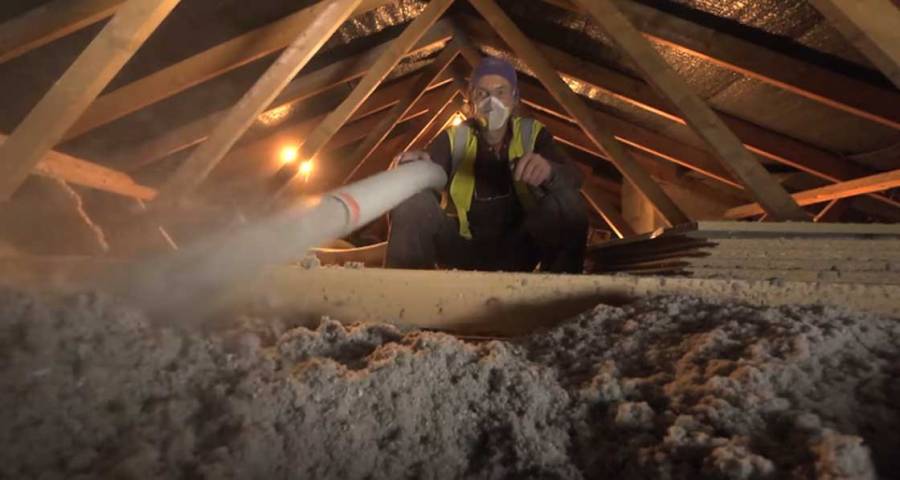
- Blown-in cellulose: Made from recycled paper, this loose-fill option is ideal for filling irregular spaces and adding over existing insulation.
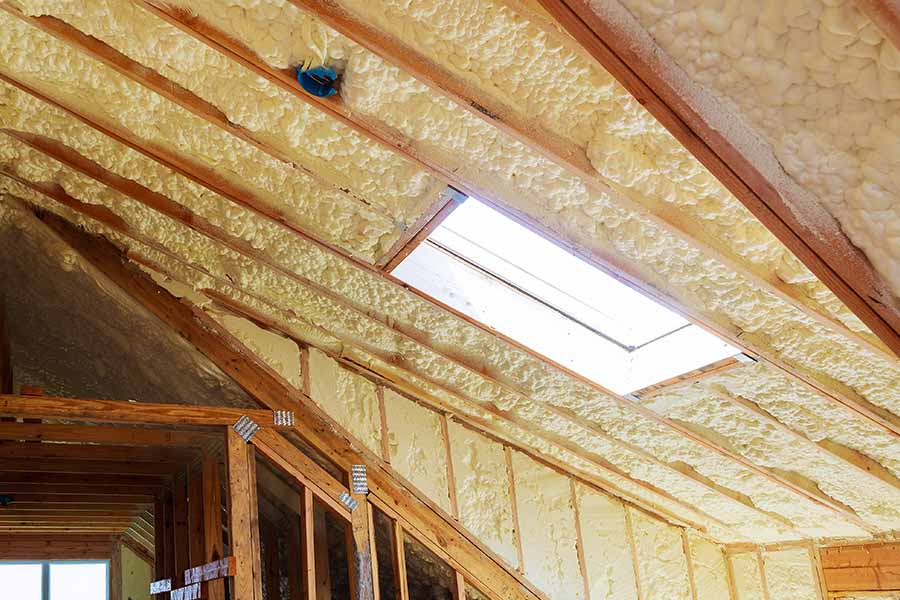
- Spray foam: Provides high R-value per inch and acts as both insulation and air barrier. Professional installation is recommended.
To compare the advantages and differences between materials, see the detailed breakdown in difference between fiberglass and spray foam insulation.
Other Factors That Impact Insulation Needs
While R-value is the primary consideration, several additional factors influence how much insulation your attic requires:
- Air leaks: Gaps and cracks in the attic floor or around penetrations can allow conditioned air to escape. Seal air leaks before adding insulation for best results.
- Ventilation: Proper attic ventilation prevents moisture buildup and helps insulation perform effectively. For guidance, check out how to ventilate an attic.
- Roof condition: Damaged or leaky roofs can compromise insulation. Address any roof issues before upgrading your attic insulation.
- Existing insulation condition: Wet, compressed, or moldy insulation should be removed and replaced.
Benefits of Proper Attic Insulation
Installing the right amount of insulation in your attic offers several important benefits:
- Lower energy bills: Reduces heating and cooling costs by minimizing heat transfer.
- Improved comfort: Maintains consistent indoor temperatures throughout the year.
- Enhanced indoor air quality: Helps prevent drafts, moisture, and pollutants from entering living spaces.
- Increased home value: Energy-efficient upgrades are attractive to potential buyers.
- Reduced environmental impact: Lower energy use means fewer greenhouse gas emissions.
For additional insights on how attic insulation affects your utility bills, explore how roof insulation affects heating costs and how roof insulation affects cooling costs.
FAQ: Common Questions About Attic Insulation Amounts
How do I know if my attic needs more insulation?
Signs include uneven indoor temperatures, high energy bills, visible joists above the insulation, or insulation depth less than recommended for your region. A professional energy audit can provide a precise assessment.
Can I add new insulation over old insulation?
Yes, as long as the existing insulation is dry, clean, and free of mold. Avoid compressing the old material, and do not cover any ventilation openings.
Is there such a thing as too much insulation?
While adding insulation above recommended levels yields diminishing returns, it rarely causes problems unless it blocks attic ventilation or traps moisture. Focus on meeting, not greatly exceeding, the suggested R-value for your climate.
Should I insulate the attic floor or roof deck?
For most homes, insulating the attic floor is best, especially if the attic is unconditioned. Insulating the roof deck is recommended for conditioned attics or homes with HVAC equipment in the attic.
Does attic insulation help with both heating and cooling?
Absolutely. Proper insulation slows heat loss in winter and heat gain in summer, making your home more comfortable and reducing energy use year-round.


