


Properly insulating your attic is one of the most effective ways to enhance indoor comfort and reduce energy consumption throughout the year. Many homeowners wonder, how does attic insulation work to create a more stable and pleasant living environment? The answer lies in the science of heat transfer and the role insulation plays in slowing down unwanted temperature changes. This article explains the mechanisms behind attic insulation, the benefits it brings, and practical considerations for anyone looking to upgrade their home’s thermal performance.
Understanding the different types of attic insulation and how each functions can help you make informed decisions about improving your home’s efficiency. By the end of this guide, you’ll have a clear grasp of why attic insulation is a cornerstone of energy-smart living.

The Science Behind Attic Insulation
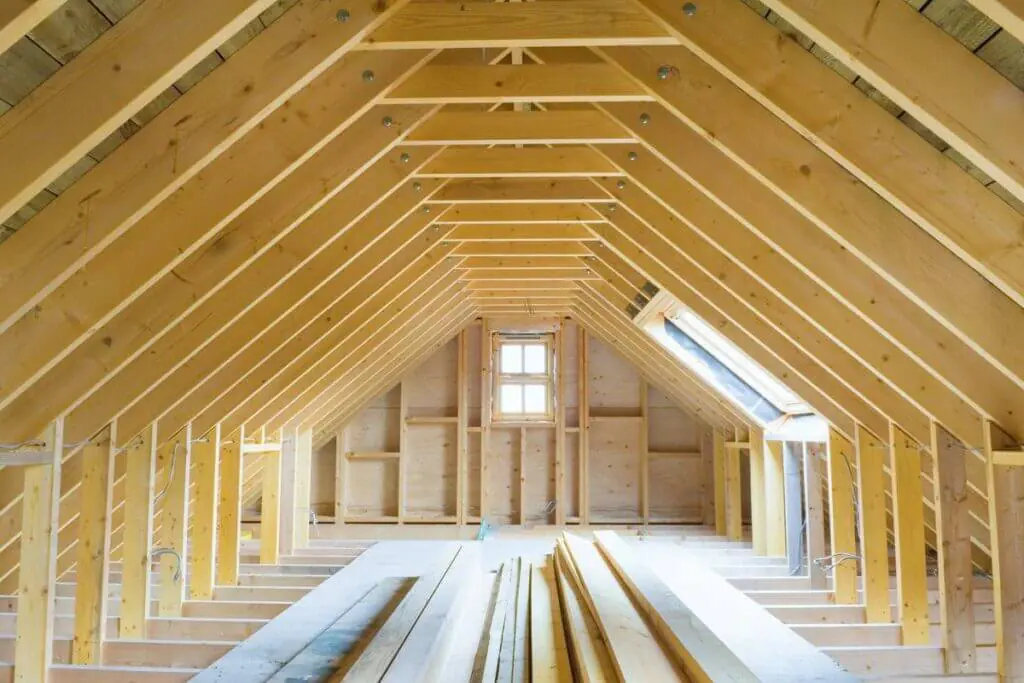
At its core, attic insulation acts as a barrier that slows the movement of heat between your living space and the outdoors. Heat naturally flows from warmer areas to cooler ones, which means in winter, warmth escapes from your home to the cold attic, and in summer, hot air from the attic seeps into cooler rooms below. How does attic insulation work in this context? It resists this heat flow, maintaining a more consistent indoor temperature and reducing the workload on your heating and cooling systems.
The effectiveness of insulation is measured by its R-value, which indicates its resistance to heat transfer. The higher the R-value, the better the material is at insulating. Common attic insulation materials include fiberglass batts, blown-in cellulose, and spray foam, each offering different levels of performance and installation methods.
Key Benefits of Effective Attic Insulation
Investing in attic insulation provides several tangible advantages for homeowners. These benefits go beyond simple energy savings and contribute to the overall quality of your indoor environment.
- Enhanced Comfort: By reducing drafts and temperature fluctuations, insulation helps maintain a steady, comfortable climate in every season.
- Lower Energy Bills: With less heat escaping in winter and less entering in summer, your HVAC system runs less frequently, resulting in noticeable cost savings.
- Improved Indoor Air Quality: Insulation can help minimize the infiltration of dust, pollen, and outdoor pollutants, supporting a healthier home.
- Protection Against Moisture: A well-insulated attic reduces the risk of condensation, which can lead to mold growth and structural damage.
- Noise Reduction: Insulation also dampens sound transmission from outside, making your home quieter and more peaceful.
How Does Attic Insulation Work in Different Climates?
The way insulation performs can vary depending on your local climate. In colder regions, the primary goal is to prevent heat from escaping the living areas into the attic and outdoors. In warmer climates, insulation works to block the intense heat from the sun, keeping the attic and the rooms below cooler. Regardless of location, the principle remains the same: slowing heat transfer to stabilize indoor temperatures.
For those interested in maximizing energy savings, it’s important to select insulation with an appropriate R-value for your region. Local building codes and energy efficiency guidelines often specify minimum R-values for attics, ensuring adequate protection against heat loss or gain.
Types of Materials Used for Attic Insulation
There are several materials commonly used to insulate attics, each with unique properties and installation requirements. Understanding these options helps you choose the best fit for your home’s needs.
- Fiberglass Batts: Pre-cut panels that fit between attic joists. They are affordable, widely available, and easy to install for DIY projects.
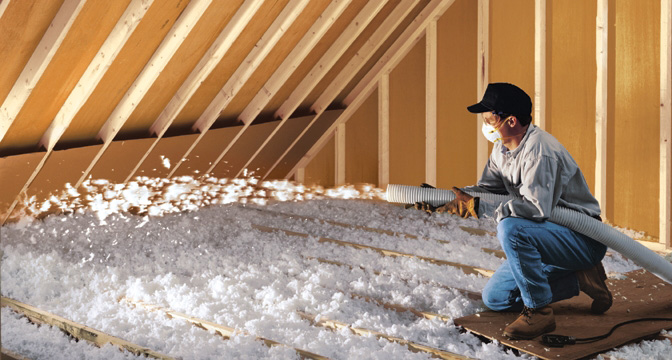
- Blown-In Cellulose: Made from recycled paper treated for fire resistance, this loose-fill material is blown into place, filling gaps and covering irregular spaces.
- Spray Foam: Expands to fill cavities and create an air-tight seal. It offers high R-values and is effective for both insulation and air sealing.
- Mineral Wool: Resistant to fire and moisture, mineral wool provides excellent soundproofing and thermal performance.
For a detailed comparison of these options, you can explore more about types of attic insulation and their specific advantages.
Installation Considerations and Best Practices
Achieving optimal results from attic insulation depends on proper installation. Gaps, compression, or inadequate coverage can significantly reduce effectiveness. Here are some best practices to follow:
- Seal Air Leaks: Before adding insulation, seal any gaps or cracks in the attic floor and around penetrations such as pipes, wiring, and vents.
- Ensure Even Coverage: Insulation should be distributed evenly across the attic floor, with no low spots or voids.
- Maintain Ventilation: Proper attic ventilation prevents moisture buildup and helps maintain the performance of insulation materials.
- Follow Local Codes: Always adhere to local building codes and manufacturer recommendations for thickness and R-value.
If you are unsure about the best approach for your home, consulting a professional can help ensure that your attic insulation is installed correctly and delivers maximum benefits.
Energy Savings and Environmental Impact
One of the most compelling reasons to insulate your attic is the potential for significant energy savings. By reducing the amount of conditioned air that escapes, you can lower your heating and cooling costs by up to 15% or more, depending on your home’s current insulation levels and climate. For more details on the financial and environmental benefits, see our article on how attic insulation saves energy.
In addition to cost savings, insulation helps reduce your household’s carbon footprint. Less energy consumption means fewer greenhouse gas emissions, supporting broader efforts to combat climate change. Choosing eco-friendly insulation materials, such as recycled cellulose or mineral wool, can further enhance your home’s sustainability.
Frequently Asked Questions
What is the ideal R-value for attic insulation?
The recommended R-value for attic insulation varies by climate zone. In colder regions, R-49 to R-60 is often advised, while milder climates may require R-30 to R-38. Always check local building codes for specific requirements.
Can I add new insulation over old insulation?
Yes, you can usually add new insulation on top of existing materials as long as the old insulation is not wet, moldy, or damaged. Ensure the new layer does not compress the existing insulation, as this can reduce its effectiveness.
How do I know if my attic needs more insulation?
Signs that your attic may need additional insulation include uneven indoor temperatures, high energy bills, and visible joists or rafters above the insulation layer. A professional energy audit can provide a thorough assessment.


