


Understanding how attic insulation works with HVAC systems is essential for homeowners aiming to improve comfort, energy efficiency, and the lifespan of their heating and cooling equipment. The relationship between your attic’s thermal barrier and your home’s climate control system is more than just a matter of temperature—it’s about creating a stable, efficient environment that supports both comfort and cost savings.
Many people overlook the attic when considering home upgrades, but this space plays a critical role in regulating indoor temperatures. By learning how insulation interacts with your HVAC, you can make informed decisions that benefit your home year-round. If you live in a region with harsh winters, you may also want to explore attic insulation for cold climates for tailored advice.

The Connection Between Attic Insulation and HVAC Performance
The attic acts as a buffer zone between your living space and the outdoors. When properly insulated, this area helps maintain a consistent indoor temperature, reducing the workload on your HVAC system. Without adequate insulation, heat can escape during winter or infiltrate during summer, forcing your heating and cooling equipment to work harder to keep your home comfortable.
Attic insulation and HVAC efficiency are closely linked. Insulation slows the transfer of heat, which means your furnace or air conditioner doesn’t have to compensate for temperature fluctuations caused by a poorly protected attic. This not only saves energy but also reduces wear and tear on your HVAC components, potentially extending their lifespan.
How Attic Insulation Supports Heating and Cooling
To appreciate the benefits, it helps to understand the mechanics of heat flow. Heat naturally moves from warmer to cooler areas. In winter, warmth from your living spaces tries to escape into the colder attic. In summer, the process reverses, with hot attic air pushing down into cooler rooms below.

By installing a sufficient layer of insulation, you create a barrier that slows this transfer. As a result, your HVAC system can maintain the desired temperature with less effort. This leads to more stable indoor conditions, fewer temperature swings, and improved comfort throughout your home.
Types of Attic Insulation and Their Impact on HVAC Systems
Several insulation materials are commonly used in attics, each with unique properties that affect how well they work with HVAC systems:
- Fiberglass batts: Easy to install and widely available, these are effective at reducing heat flow but can leave gaps if not fitted properly.
- Blown-in cellulose: This loose-fill option fills cavities and hard-to-reach areas, offering good coverage and thermal resistance.
- Spray foam: Provides both insulation and air sealing, making it highly effective at preventing heat transfer and air leaks.
The choice of material and installation quality both influence how well your attic insulation supports your HVAC system. For homes in hot regions, consider reading about attic insulation for hot climates to find materials best suited for high temperatures.
Energy Efficiency and Cost Savings
One of the most significant advantages of improving attic insulation is the potential for lower energy bills. When your HVAC system doesn’t have to work as hard, it consumes less energy. This translates to monthly savings and a reduced environmental footprint.
According to the U.S. Department of Energy, homeowners can save up to 15% on heating and cooling costs by properly insulating attics, floors, and crawl spaces. The actual savings depend on the climate, the current state of your insulation, and the efficiency of your HVAC system. For a deeper dive into the financial benefits, see how how attic insulation reduces energy bills.
Moisture Control and Indoor Air Quality
Insulation doesn’t just affect temperature—it also plays a role in managing moisture. Poorly insulated attics can allow warm, moist air from living spaces to reach cold surfaces, leading to condensation and potential mold growth. This not only damages your home but can also impact indoor air quality.
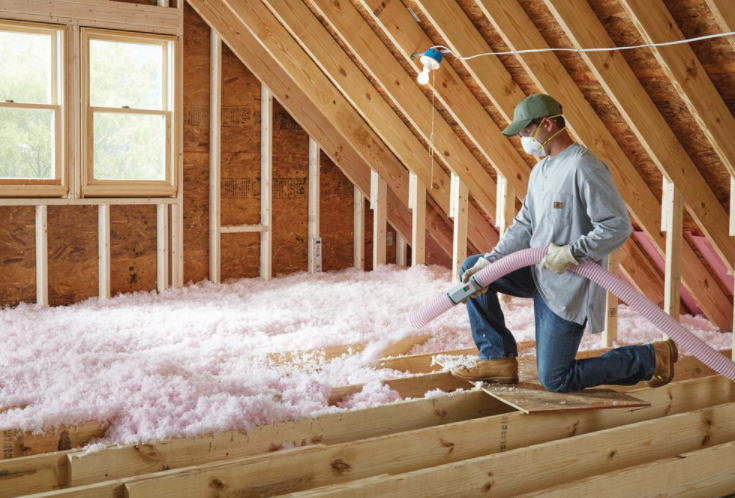
A well-insulated attic helps prevent these issues by keeping temperature differences in check and reducing the risk of condensation. For more on this topic, explore attic insulation and moisture control and learn how to protect your home from excess humidity and related problems.
Signs Your Attic Insulation May Be Affecting HVAC Performance
If your home experiences uneven temperatures, high energy bills, or your HVAC system seems to run constantly, your attic insulation could be the culprit. Other signs include:
- Drafts or cold spots in upper rooms
- Ice dams forming on the roof in winter
- Excessive dust or poor indoor air quality
- Noticeable temperature differences between floors
Addressing these issues by upgrading insulation can lead to immediate improvements in comfort and efficiency.
Best Practices for Integrating Attic Insulation with HVAC Systems
To maximize the benefits of attic insulation for your HVAC system, consider the following steps:
- Assess current insulation levels: Check if your attic meets recommended R-values for your climate zone. Adding more insulation may be necessary for optimal performance.
- Seal air leaks: Gaps around vents, ducts, and attic hatches can undermine insulation. Use caulk or spray foam to seal these areas.
- Ensure proper ventilation: Good airflow prevents moisture buildup and helps your insulation perform as intended.
- Work with professionals: A qualified contractor can evaluate your attic and recommend the best approach for integrating insulation with your HVAC system.
For homeowners concerned about mold, it’s also wise to review attic insulation and mold prevention for additional guidance.
Frequently Asked Questions
How does attic insulation impact my HVAC system’s efficiency?
Proper insulation reduces the amount of heat lost or gained through the attic, allowing your HVAC system to maintain a stable indoor temperature with less effort. This leads to lower energy consumption and less strain on your heating and cooling equipment.
Can upgrading attic insulation lower my energy bills?
Yes, improving your attic’s thermal barrier can significantly reduce heating and cooling costs. By minimizing heat transfer, your HVAC system doesn’t have to run as often or as long to keep your home comfortable.
What type of attic insulation works best with HVAC systems?
The best option depends on your climate, attic structure, and budget. Fiberglass batts, blown-in cellulose, and spray foam are all effective when installed correctly. Spray foam is especially good for sealing air leaks, but all types can improve HVAC performance if properly applied.


