


Homeowners are always searching for effective ways to lower utility bills and make their living spaces more comfortable. One of the most impactful yet often overlooked solutions is improving the insulation in the attic. Understanding how attic insulation saves energy can help you make informed decisions that benefit both your wallet and the environment.
In this guide, we’ll break down the science behind attic insulation, explore its benefits, and provide practical advice for maximizing your home’s energy efficiency. If you’re considering upgrades or simply want to know more about energy conservation at home, you’re in the right place.
For more insights on improving your home’s energy performance, check out our comprehensive energy efficiency tips.
Understanding the Role of Attic Insulation in Energy Conservation
The attic is a critical area when it comes to heat transfer. Without proper insulation, warm air escapes during winter and unwanted heat enters during summer. This forces heating and cooling systems to work harder, resulting in higher energy consumption.
By adding or upgrading insulation in the attic, you create a barrier that slows down the movement of heat. This simple improvement can have a significant impact on your home’s overall energy use.
How Attic Insulation Saves Energy Throughout the Year
The process by which attic insulation contributes to energy savings is rooted in basic physics. Heat naturally moves from warmer to cooler areas. In winter, heat from inside your home tries to escape to the colder attic and outdoors. In summer, the hot air in the attic tries to move into your cooler living spaces.
- Winter: Insulation keeps valuable heat inside, reducing the workload on your furnace or heating system.
- Summer: It prevents hot attic air from seeping into your home, so your air conditioner doesn’t have to run as often.
This dual benefit means that insulation is working for you all year long, not just in one season.
Types of Insulation Materials and Their Effectiveness
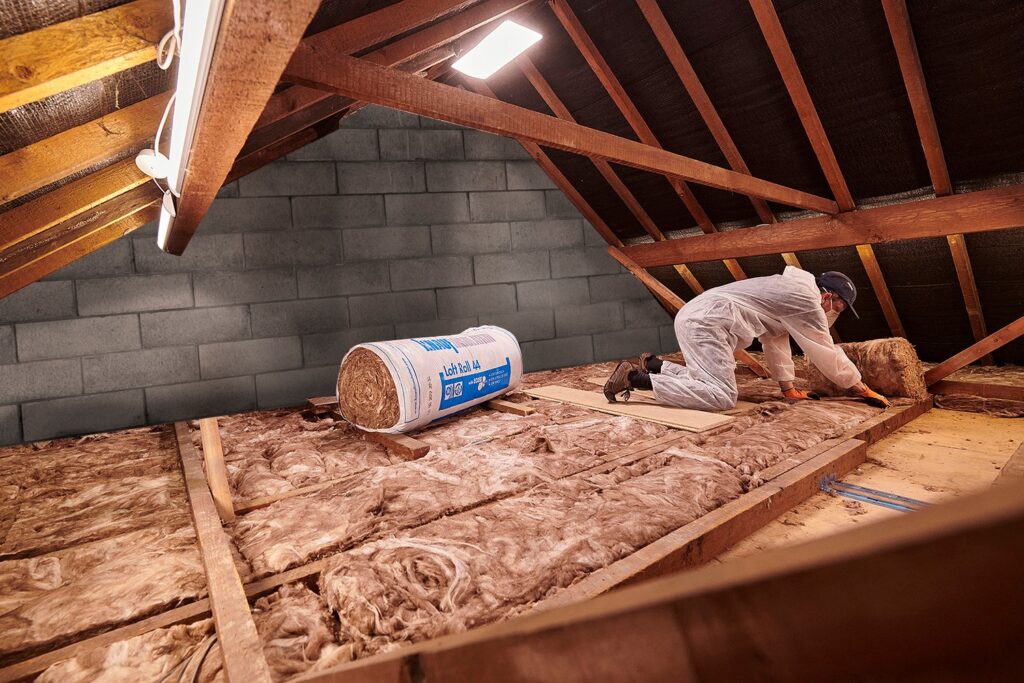
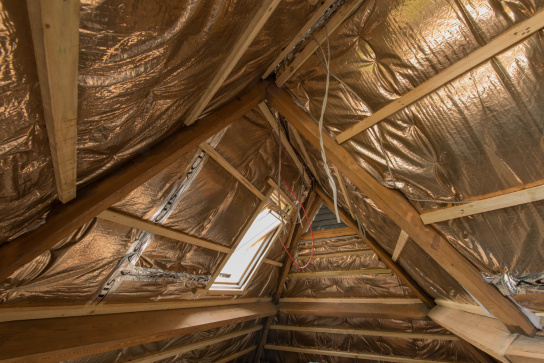
Not all insulation is created equal. The most common materials used in attics include fiberglass batts, blown-in cellulose, and spray foam. Each has its own advantages and R-value (a measure of thermal resistance).
- Fiberglass batts: Widely available and affordable, these are easy to install but require precise placement to avoid gaps.
- Blown-in cellulose: Made from recycled paper, this material fills gaps and covers irregular spaces more effectively.
- Spray foam: Offers the highest R-value and creates an air-tight seal, but is usually more expensive.
Choosing the right material depends on your budget, attic structure, and desired energy savings. Consulting with a professional can help you determine the best option for your home.
Financial Benefits: Lower Utility Bills and Long-Term Savings
One of the most immediate benefits of upgrading attic insulation is a noticeable reduction in heating and cooling costs. According to energy experts, homeowners can save up to 15% on their total energy bills by properly insulating their attics and crawl spaces.
While there is an upfront investment, the payback period is often just a few years. After that, the savings continue to accumulate, making insulation one of the most cost-effective home improvements available.

Additional Benefits Beyond Energy Savings
While the primary motivation for many homeowners is to save on energy bills, attic insulation offers several other advantages:
- Improved comfort: Consistent indoor temperatures mean fewer drafts and cold spots.
- Noise reduction: Insulation can help dampen outside noise, making your home quieter.
- Moisture control: Proper insulation helps prevent condensation and related issues like mold growth.
- Environmental impact: Using less energy reduces your carbon footprint, contributing to a more sustainable future.
Signs Your Attic May Need Better Insulation
If you’re unsure whether your attic is adequately insulated, look for these common indicators:
- Uneven temperatures between rooms or floors
- Ice dams forming on the roof in winter
- High energy bills despite moderate weather
- Visible gaps or thin spots in existing insulation
- Drafts or cold ceilings
Addressing these issues can lead to immediate improvements in comfort and efficiency.
Steps to Improve Attic Insulation for Maximum Energy Efficiency
Enhancing your attic’s insulation doesn’t have to be complicated. Here’s a straightforward approach:
- Assess current insulation: Measure the depth and look for gaps or compressed areas.
- Seal air leaks: Use caulk or foam to close gaps around pipes, vents, and light fixtures.
- Add insulation: Bring insulation up to recommended levels for your climate zone. The U.S. Department of Energy provides guidelines based on region.
- Consider professional help: For complex attics or if you’re unsure, a qualified contractor can ensure optimal results.
Regularly checking your attic and maintaining insulation levels will help sustain energy savings over the long term.
FAQ: Common Questions About Attic Insulation and Energy Savings
How much money can I save by insulating my attic?
Savings vary depending on your home’s size, climate, and existing insulation. On average, homeowners can reduce heating and cooling costs by 10–15% with proper attic insulation.
What is the best type of insulation for attics?
The best material depends on your attic’s structure and your budget. Fiberglass batts are popular for DIY projects, while blown-in cellulose and spray foam offer better coverage and higher R-values. Consulting a professional can help you choose the most effective option.
Can I install attic insulation myself?
Many homeowners can add or supplement insulation themselves, especially with batts or blown-in products. However, for complex attics or to achieve the highest energy efficiency, hiring a professional is recommended.
Does attic insulation help in both hot and cold climates?
Yes, insulation acts as a barrier to heat flow, keeping warm air inside during winter and blocking heat from entering during summer. This makes it valuable in any climate.
Conclusion: Making the Most of Your Home’s Energy Efficiency
Investing in attic insulation is a practical step toward reducing energy use, lowering utility bills, and increasing comfort. By understanding how attic insulation saves energy and following best practices for installation and maintenance, you can enjoy long-term benefits that extend beyond simple cost savings. Regular assessments and timely upgrades ensure your home remains efficient and comfortable year-round.


