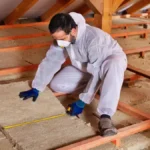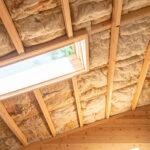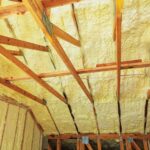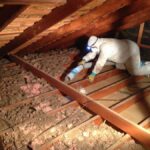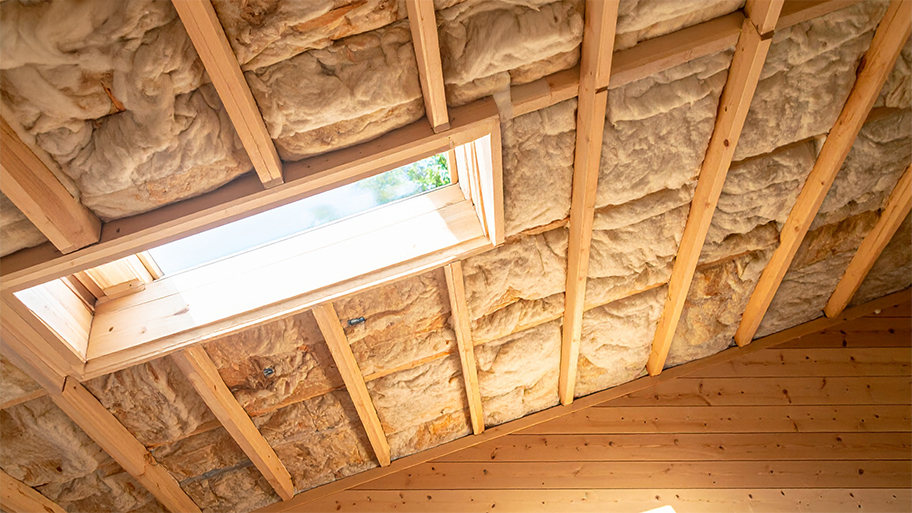
Mold in the attic is a common concern for homeowners, especially in areas with fluctuating temperatures and humidity. One of the most effective ways to address this issue is by improving your attic’s insulation. Understanding how attic insulation prevents mold growth is essential for maintaining a healthy, energy-efficient home. This guide explains the science behind insulation and mold, the benefits of proper installation, and practical steps you can take to protect your living space.
Alongside energy savings, attic insulation plays a direct role in managing moisture and reducing the risk of mold. If you’re looking for a broader overview of moisture management, the article on roof insulation and moisture control offers additional insights.
Understanding the Link Between Insulation and Mold Prevention
Mold thrives in environments where moisture is present and air circulation is poor. Attics are especially vulnerable because they are often under-insulated and subject to temperature swings. When warm, moist air from the living areas rises and meets a cold attic surface, condensation can form. This moisture, combined with organic material like wood, creates the perfect breeding ground for mold.
Proper attic insulation acts as a barrier, reducing temperature differences and limiting the amount of moisture that can accumulate. By keeping the attic temperature closer to that of the living space, insulation helps prevent condensation and, in turn, mold growth.
How Effective Insulation Reduces Moisture and Mold Risk
The primary function of attic insulation is to slow the transfer of heat between your home and the outside environment. However, its impact on moisture control is equally important. Here’s how insulation helps:
- Temperature Regulation: Insulation keeps attic surfaces warmer in winter and cooler in summer, minimizing condensation on rafters and sheathing.
- Moisture Barrier: Certain types of insulation, such as spray foam or rigid foam boards, can also act as vapor barriers, blocking humid air from reaching cold surfaces.
- Improved Airflow: When paired with proper ventilation, insulation ensures that excess moisture is vented out, further reducing the risk of mold.
Types of Attic Insulation and Their Role in Mold Prevention
Not all insulation materials offer the same level of moisture protection. Here’s a look at common types and their effectiveness in preventing mold:
- Fiberglass Batts: Widely used and affordable, fiberglass batts are effective at thermal insulation but do not block vapor. They should be installed with a vapor barrier in humid climates.
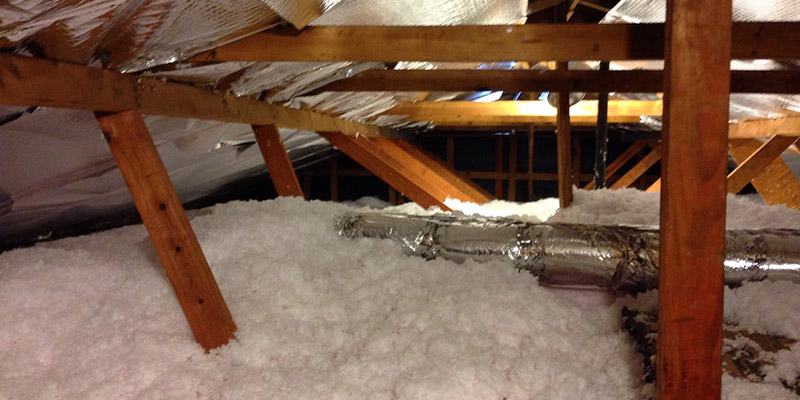
- Blown-In Cellulose: Made from treated recycled paper, cellulose offers good coverage and some resistance to mold due to its borate treatment, but it can absorb moisture if leaks occur.
- Spray Foam: Both open-cell and closed-cell spray foam provide excellent air sealing and act as vapor barriers, making them highly effective for mold prevention.
- Rigid Foam Boards: These panels offer high R-values and serve as both insulation and vapor barriers, ideal for attics with chronic moisture issues.
Choosing the right insulation depends on your climate, attic design, and existing moisture problems. For homes in extreme climates, you may want to explore options tailored for roof insulation for hot climates or roof insulation for cold climates.
Installation Best Practices for Maximum Mold Protection
Even the best insulation won’t prevent mold if it’s installed incorrectly. Follow these guidelines to maximize protection:
- Seal Air Leaks: Before adding insulation, seal gaps around pipes, vents, and electrical penetrations to prevent warm, moist air from entering the attic.
- Maintain Proper Ventilation: Ensure soffit, ridge, or gable vents are clear and functioning. Good airflow removes excess humidity and keeps insulation dry.
- Use Vapor Barriers Where Needed: In humid regions, install a vapor barrier on the warm side of the insulation to block moisture migration.
- Inspect for Roof Leaks: Address any signs of water intrusion before insulating, as wet insulation can harbor mold.
- Monitor Humidity Levels: Consider installing a humidity sensor in your attic to catch moisture issues early.
Signs of Mold and When to Upgrade Insulation
Regular attic inspections are key to catching mold early. Watch for these warning signs:
- Musty odors coming from the attic or upper floors
- Visible dark spots or fuzzy growth on rafters, sheathing, or insulation
- Water stains or dampness on insulation materials
- Peeling paint or warped wood in the attic
If you notice any of these issues, it may be time to upgrade your insulation and address ventilation or leak problems. For further reading on related topics, the guide on roof insulation for better home energy efficiency can help you maximize both comfort and protection.
Additional Tips for Keeping Your Attic Mold-Free
- Regular Maintenance: Check your attic at least twice a year for signs of leaks, pests, or insulation damage.
- Control Indoor Humidity: Use exhaust fans in bathrooms and kitchens, and consider a dehumidifier if your home is prone to moisture.
- Address Roof Issues Promptly: Repair damaged shingles, flashing, or gutters to prevent water intrusion.
- Upgrade Insulation as Needed: Over time, insulation can settle or become less effective. Periodically assess its condition and add more if necessary.
For more on condensation and moisture, see the article on roof insulation and condensation prevention.
Frequently Asked Questions
How does attic insulation stop mold from forming?
Attic insulation helps by keeping surfaces warmer and reducing temperature differences that cause condensation. By minimizing moisture buildup, insulation removes the key ingredient mold needs to grow.
What type of attic insulation is best for mold prevention?
Closed-cell spray foam and rigid foam boards are highly effective because they act as both insulators and vapor barriers. However, any insulation installed with proper air sealing and ventilation can help prevent mold.
Can I add new insulation over old, moldy material?
No. It’s important to remove any moldy or damp insulation before adding new material. Covering up mold will not solve the problem and may allow it to spread.
How often should I inspect my attic for mold?
Inspect your attic at least twice a year, ideally in spring and fall. After heavy storms or roof repairs, check for leaks and signs of moisture as well.