


Winter brings a unique set of challenges for homeowners, especially in colder climates. One of the most persistent and damaging issues is the formation of ice dams on rooftops. These ridges of ice can cause water to back up under shingles, leading to leaks, structural damage, and costly repairs. Understanding how attic insulation prevents ice dams is key to protecting your home and improving energy efficiency during the coldest months.
Properly installed insulation in your attic acts as a crucial barrier, reducing heat loss from your living space into the attic. This helps maintain a consistent roof temperature and minimizes the conditions that allow ice dams to form. In this guide, we’ll break down the science behind ice dams, explain the role of insulation, and offer practical tips for homeowners looking to safeguard their property.
For homeowners interested in maximizing the performance of their insulation, understanding attic insulation R-value explained can help you make informed decisions about materials and installation methods.
Understanding Ice Dams and Their Causes
Ice dams form when heat escapes from the living areas of a house into the attic, warming the underside of the roof. This causes snow on the roof to melt, and the resulting water flows down to the colder eaves, where it refreezes. Over time, this process creates a barrier of ice that traps additional melting snow, leading to water backup and potential leaks.
Several factors contribute to ice dam formation:
- Poor attic insulation
- Inadequate attic ventilation
- Air leaks from living spaces into the attic
- Weather conditions with repeated freeze-thaw cycles
Addressing these issues, particularly through effective insulation, is the most reliable way to mitigate the risk of ice damming.
The Role of Attic Insulation in Ice Dam Prevention
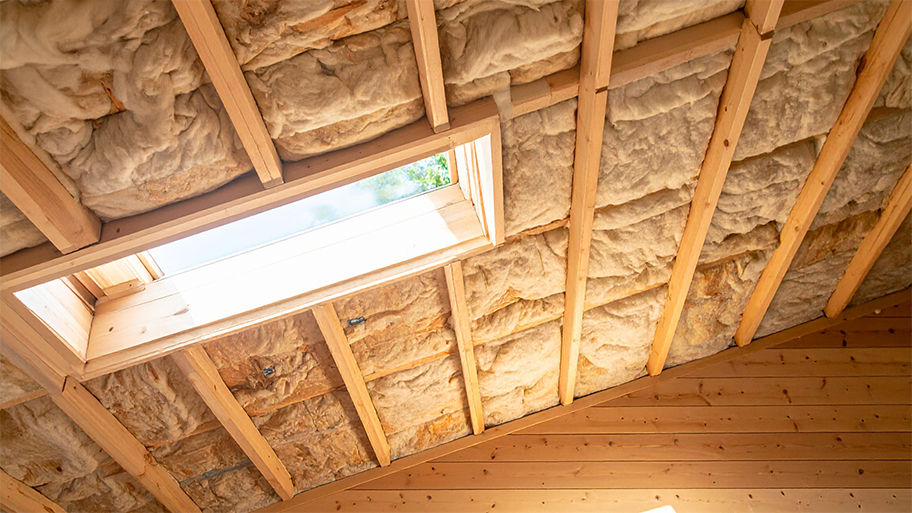
One of the most effective strategies for stopping ice dams is to prevent heat from escaping into the attic. How attic insulation prevents ice dams comes down to its ability to create a thermal barrier between your heated living space and the unconditioned attic. When insulation is properly installed and has the correct R-value for your climate, it keeps warm air inside your home, reducing the temperature differential that leads to snow melt on the roof.
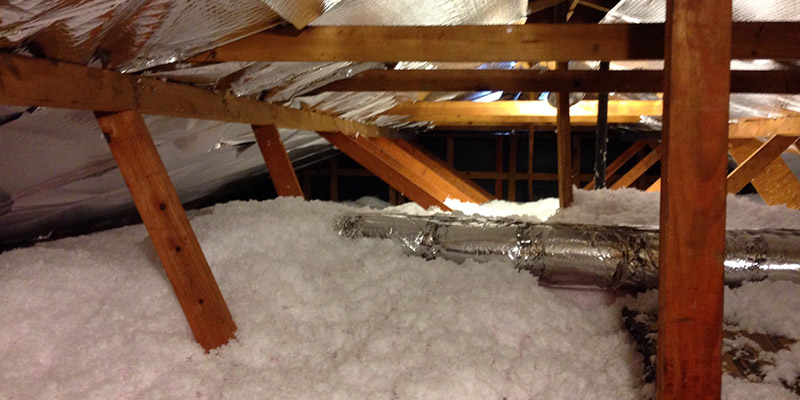
The effectiveness of insulation depends on both the type of material used and the quality of installation. Gaps, compressed areas, or missing insulation can create cold spots, which undermine the overall performance. For a deeper dive into material choices, see the difference between fiberglass and spray foam insulation.
Choosing the Right Insulation for Your Attic
Selecting the appropriate insulation type and thickness is critical for preventing ice dams. The most common materials used in attics include:
- Fiberglass batts or rolls: Affordable and widely available, but must be carefully installed to avoid gaps.
- Blown-in cellulose: Offers good coverage, especially in hard-to-reach areas.
- Spray foam: Provides both insulation and air sealing, but is more expensive.
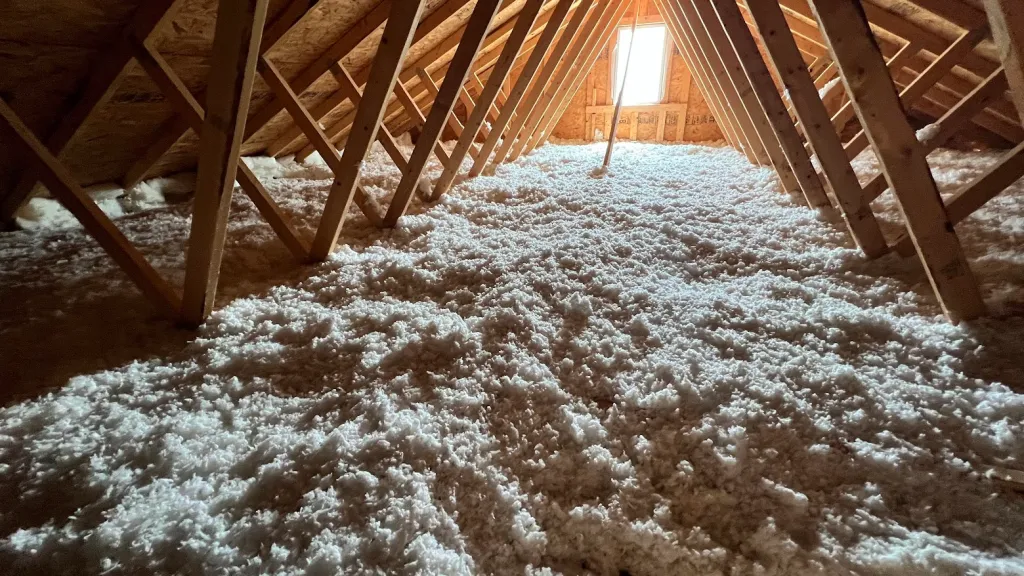
The recommended R-value for attic insulation varies by region. In colder climates, a higher R-value is necessary to provide adequate protection. For more information on recommended values and how to measure your current insulation, refer to the linked resource above on R-values.
Air Sealing: The Essential Companion to Insulation
While insulation plays a major role in stopping heat loss, air leaks can still allow warm air to escape into the attic. Sealing gaps around light fixtures, plumbing vents, and attic hatches is essential for maximizing the effectiveness of your insulation. Without proper air sealing, even the best insulation can fall short in preventing ice dams.
Common areas to check for air leaks include:
- Attic access doors or pull-down stairs
- Chimney and flue penetrations
- Recessed lighting fixtures
- Plumbing and electrical penetrations
Using caulk, expanding foam, or weatherstripping can help seal these gaps and improve your attic’s overall thermal performance.
Ventilation and Its Impact on Ice Dam Prevention
In addition to insulation and air sealing, proper attic ventilation is crucial for maintaining a cold roof deck and reducing the risk of ice dams. Good airflow helps carry away any heat that does escape, keeping the roof surface closer to the outdoor temperature. This minimizes the melting and refreezing cycle that leads to ice buildup.
To learn more about optimizing airflow in your attic, see this guide on how to ventilate an attic for better efficiency.
A balanced approach that combines insulation, air sealing, and ventilation offers the most reliable protection against winter roof problems.
Additional Benefits of Proper Attic Insulation
While the primary focus here is on stopping ice dams, there are several other advantages to upgrading your attic insulation:
- Lower energy bills: Reducing heat loss means your furnace runs less often.
- Improved comfort: Fewer drafts and more consistent indoor temperatures.
- Extended roof life: Less moisture intrusion and freeze-thaw stress on shingles.
- Reduced risk of mold and rot: By keeping attics dry and temperate.
For more on the financial impact, see how roof insulation affects heating costs and how it can help lower cooling costs in summer as well.
FAQs About Attic Insulation and Ice Dams
What is the most effective way to stop ice dams from forming?
The most effective method is to combine high-quality attic insulation with thorough air sealing and proper ventilation. This approach keeps the roof cold, minimizing snow melt and preventing the conditions that cause ice dams.
How do I know if my attic insulation is sufficient?
Check the depth and coverage of your insulation. In most cold climates, you should have at least 12–16 inches of insulation with no gaps or compressed areas. If you can see the ceiling joists, you likely need more insulation. Consulting a professional or using a thermal camera can help assess problem areas.
Can adding insulation alone prevent ice dams, or do I need to address ventilation too?
While adding insulation is a major step, it’s important to address both air leaks and ventilation for complete protection. Insulation reduces heat loss, but without proper airflow, some heat may still accumulate and cause problems. A holistic approach is best for long-term results.


