


Many homeowners look for practical ways to boost their property’s worth and appeal. One often-overlooked improvement is upgrading attic insulation. Understanding how attic insulation improves home value can help you make informed decisions that benefit both your comfort and your bottom line. Enhanced insulation not only saves on energy bills but also makes a home more attractive to potential buyers, providing a return on investment that goes beyond immediate cost savings.
Whether you’re preparing to sell or simply want to invest in your home’s long-term efficiency, proper attic insulation is a smart move. Before diving into the details, it’s useful to explore related topics, such as attic insulation for old homes, to understand the best options for your property’s age and structure.
Why Attic Insulation Matters for Property Value
Insulation in the attic plays a crucial role in a home’s overall energy efficiency. When a house is properly insulated, it retains heat during the winter and stays cooler in the summer. This reduces the workload on heating and cooling systems, leading to lower utility bills and a more comfortable living environment. These benefits are attractive to prospective buyers, who increasingly prioritize energy efficiency and sustainability when searching for a new home.
Additionally, homes with upgraded insulation often receive higher appraisal values. Inspectors and real estate agents recognize the long-term savings and comfort that come with a well-insulated attic, making these properties stand out in competitive markets.
Key Ways Insulation Boosts Home Worth
Let’s break down the main factors that connect attic insulation upgrades to increased property value:
- Energy Savings: Improved insulation reduces heat loss and gain, which can lower annual energy costs significantly. Buyers are willing to pay more for homes with proven energy efficiency.
- Comfort and Indoor Air Quality: Consistent temperatures and fewer drafts make living spaces more comfortable. Proper insulation also helps prevent moisture buildup, reducing the risk of mold and improving air quality.
- Marketability: Energy-efficient features are a strong selling point. Highlighting recent insulation upgrades in listings can help your property attract more interest.
- Reduced Maintenance: By minimizing temperature fluctuations and moisture issues, insulation can help protect the roof and attic structure, lowering maintenance costs over time.
Types of Attic Insulation and Their Impact
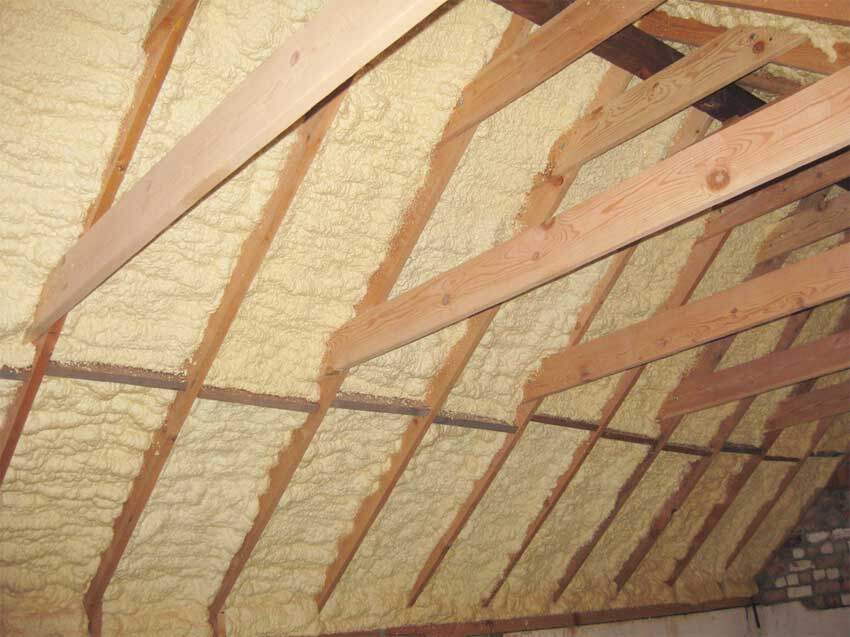
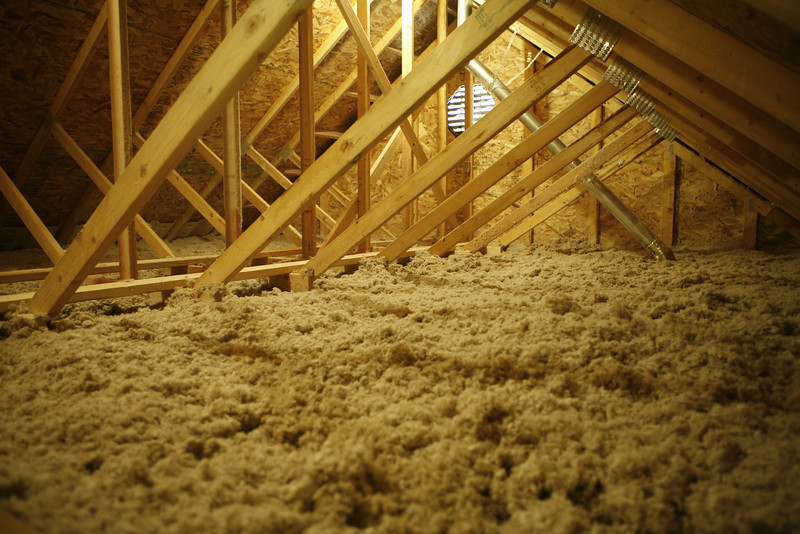
There are several insulation materials commonly used in attics, each with its own advantages. The most popular options include fiberglass batts, blown-in cellulose, and spray foam. The right choice depends on your budget, attic design, and specific energy goals.
- Fiberglass Batts: These are easy to install and relatively affordable. They provide good thermal resistance and are widely available.
- Blown-In Cellulose: Made from recycled paper, this option fills gaps and hard-to-reach spaces, offering excellent coverage and air sealing.
- Spray Foam: This high-performance material expands to seal cracks and crevices, providing superior insulation and air barrier properties.
Choosing the right insulation can maximize the benefits discussed earlier. For older homes, it’s especially important to select materials that address unique challenges, such as uneven framing or existing air leaks. For more details on choosing the best product for your property, see our guide on attic insulation for old homes.
How Attic Insulation Improves Home Value During Resale
When it comes time to sell, homes with upgraded attic insulation often command higher prices and spend less time on the market. Real estate agents frequently highlight recent energy efficiency improvements in marketing materials, as buyers are drawn to features that promise lower ongoing costs and increased comfort.
In many regions, energy-efficient upgrades can even qualify a home for green certifications or rebates, further increasing its appeal. Appraisers may also factor in insulation improvements when determining a property’s value, especially if documentation of recent work is available.
Steps to Upgrade Your Attic Insulation
Improving your attic’s insulation doesn’t have to be complicated. Here’s a straightforward process to follow:
- Assess Current Insulation: Check the depth and condition of existing material. If it’s compressed, damaged, or below recommended levels, it’s time for an upgrade.
- Seal Air Leaks: Before adding new insulation, address gaps around pipes, wiring, and attic access points. For a step-by-step approach, refer to our article on how to seal attic air leaks.
- Select the Right Material: Choose insulation that fits your attic’s structure and your energy-saving goals.
- Install Properly: Follow manufacturer guidelines or hire a professional to ensure even coverage and optimal performance.
- Maintain Ventilation: Good airflow is essential to prevent moisture buildup. Learn more about the attic insulation and ventilation relationship for best results.
Common Mistakes to Avoid
While upgrading attic insulation offers many benefits, there are pitfalls to watch out for:
- Ignoring Air Leaks: Failing to seal gaps before insulating reduces effectiveness and can lead to moisture problems.
- Blocking Ventilation: Covering soffit vents or restricting airflow can cause condensation and damage.
- Using the Wrong Material: Not all insulation types are suitable for every attic. Choose based on your home’s needs and climate.
- DIY Without Research: Improper installation can result in uneven coverage and wasted investment. When in doubt, consult a professional or review our guide on how to add insulation to an attic.
Frequently Asked Questions
How much does attic insulation increase resale value?
The exact boost to resale value varies by region and home size, but studies suggest that energy efficiency improvements like attic insulation can return up to 107% of their cost at resale. Buyers are often willing to pay a premium for homes with lower utility bills and improved comfort.
What type of attic insulation offers the best return on investment?
Blown-in cellulose and fiberglass batts are both cost-effective and deliver strong energy savings. Spray foam offers superior performance but comes at a higher upfront cost. The best choice depends on your attic’s structure and your local climate.
Is it worth upgrading attic insulation in an older home?
Absolutely. Older homes often lack adequate insulation, leading to higher energy bills and less comfort. Upgrading can make a significant difference in both daily living and long-term property value. For tailored advice, see our resource on attic insulation for old homes.
Can I install attic insulation myself?
Many homeowners handle basic insulation projects, especially with batt or blown-in materials. However, for complex attics, air sealing, or spray foam, hiring a professional ensures the job is done safely and effectively.
How do I know if my attic needs more insulation?
Signs include uneven temperatures, high energy bills, or visible gaps in insulation coverage. A professional energy audit can provide a clear assessment and recommendations for improvement.


