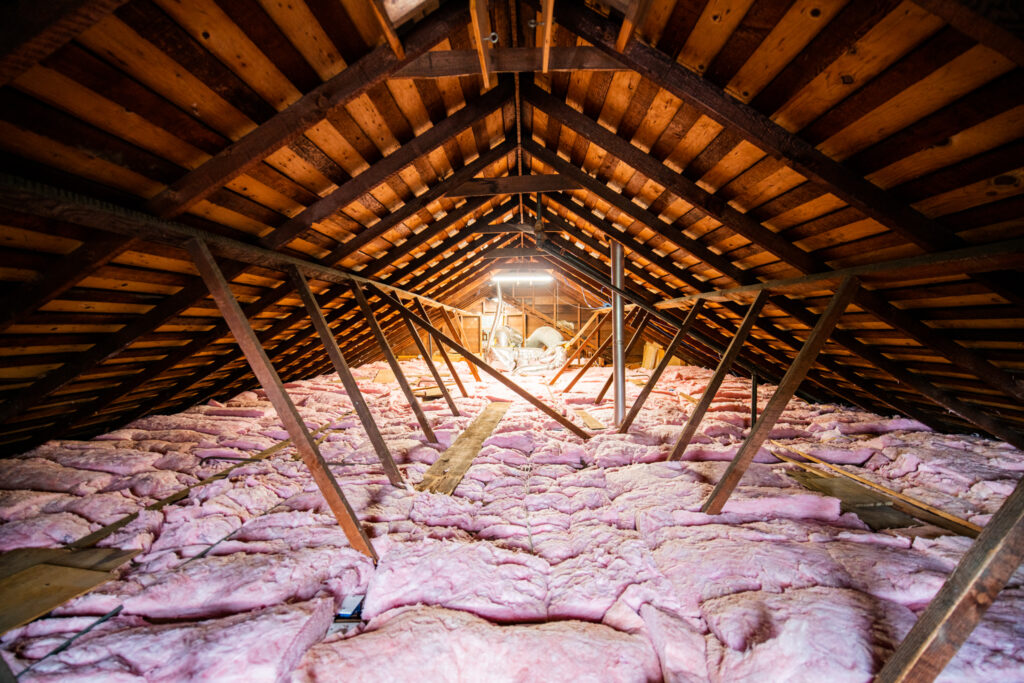
As temperatures drop, homeowners often notice changes in their living environment—drafts, uneven warmth, and higher energy bills. One of the most effective ways to address these issues is by focusing on the attic. Understanding how attic insulation affects comfort in winter can help you create a cozier, more energy-efficient home. Proper insulation acts as a barrier, keeping heated air inside and cold air out, which makes a noticeable difference during the colder months.
Beyond just warmth, attic insulation plays a crucial role in maintaining consistent indoor temperatures and reducing the workload on your heating system. If you’re interested in learning more about related topics, such as roof insulation and moisture control, you’ll find additional strategies for optimizing your home’s comfort and efficiency.
Why Attic Insulation Matters for Wintertime Comfort
When winter arrives, the temperature difference between your home’s interior and the outdoors becomes more pronounced. Heat naturally rises, and without a well-insulated attic, much of that warmth escapes through the roof. This not only makes your living spaces colder but also forces your heating system to work harder, leading to increased energy consumption and higher utility bills.
Effective attic insulation slows down heat loss, helping to maintain a stable indoor temperature. This means fewer cold spots, less need for supplemental heating, and a more comfortable environment throughout your home. The benefits extend beyond comfort, as proper insulation can also help prevent moisture issues and ice dam formation on your roof.
How Attic Insulation Affects Comfort in Winter: Key Mechanisms
To truly appreciate the impact of attic insulation, it’s helpful to understand the science behind it. Here are the primary ways insulation enhances winter comfort:
- Thermal Barrier: Insulation materials trap air within their fibers or cells, creating a barrier that slows the transfer of heat. This keeps warm air inside your living spaces and prevents cold air from seeping in.
- Reduced Drafts: Gaps and poorly insulated areas in the attic can lead to drafts and uneven temperatures. Adding or upgrading insulation minimizes these cold spots, making rooms feel more uniformly warm.
- Lower Energy Use: With less heat escaping, your furnace or heat pump doesn’t have to run as often. This not only saves energy but also extends the lifespan of your HVAC equipment.
- Moisture Control: Insulation also plays a role in managing moisture. By keeping warm, moist air from reaching cold roof surfaces, it helps prevent condensation and related problems like mold or rot.
Signs Your Attic Insulation Needs Attention
Even if your home already has some insulation, it may not be adequate for optimal winter comfort. Here are some common indicators that your attic could benefit from an upgrade:
- Uneven Temperatures: If certain rooms feel much colder than others, especially those directly below the attic, insufficient insulation may be to blame.
- High Heating Bills: An unexplained increase in energy costs during the winter often points to heat loss through the attic.
- Drafts or Cold Ceilings: Feeling drafts or noticing that your ceiling is cold to the touch can indicate gaps or thin insulation layers.
- Ice Dams: The formation of ice dams on your roof is a sign that heat is escaping and melting snow, which then refreezes at the eaves.
Addressing these issues by improving attic insulation can lead to immediate and long-term improvements in both comfort and energy efficiency.
Choosing the Right Insulation for Your Attic
There are several types of insulation commonly used in attics, each with its own advantages. The best choice depends on your climate, budget, and the structure of your home. Here are the most popular options:
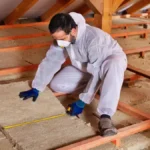
- Fiberglass Batts: These pre-cut panels are easy to install and offer good thermal performance. They’re a common choice for DIY projects.
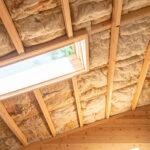
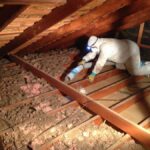
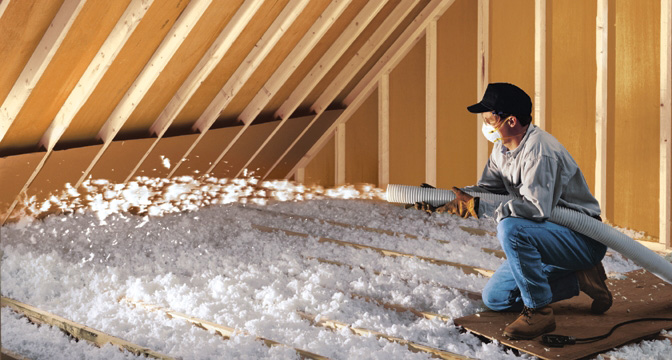
- Blown-In Insulation: Loose-fill fiberglass or cellulose can be blown into attic spaces, filling gaps and covering irregular areas more effectively than batts.
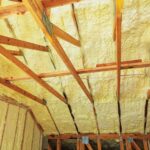
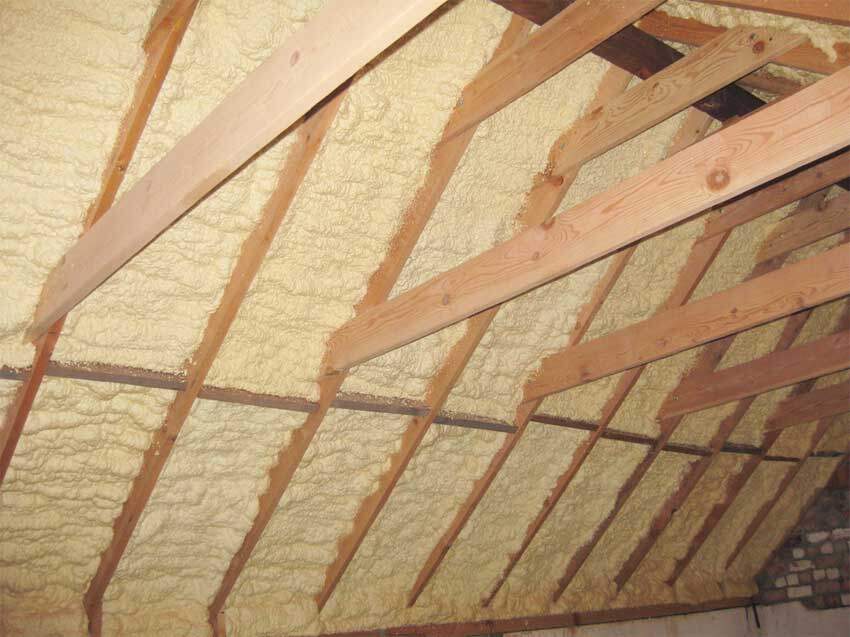
- Spray Foam: This option provides both insulation and air sealing, making it ideal for attics with many penetrations or hard-to-reach areas.
It’s important to achieve the recommended R-value for your region. In colder climates, a higher R-value is necessary to maximize the benefits of attic insulation. For more details on insulation suited for different environments, you might explore resources on roof insulation for cold climates.
Installation Tips for Maximum Winter Comfort
Proper installation is just as important as choosing the right material. Here are some practical tips to ensure your attic insulation delivers the best results:
- Seal Air Leaks First: Before adding insulation, seal any gaps around pipes, vents, chimneys, and wiring to prevent warm air from escaping.
- Don’t Block Ventilation: Attics need adequate ventilation to prevent moisture buildup. Use baffles to keep soffit vents clear when installing insulation near the eaves.
- Check for Moisture Issues: Address any existing leaks or signs of condensation before insulating, as trapped moisture can lead to mold or structural damage.
- Layering: In some cases, adding a second layer of insulation perpendicular to the first can reduce gaps and improve coverage.
If you’re unsure about the best approach, consider consulting a professional. An expert can assess your attic’s current condition and recommend solutions tailored to your home’s needs.
Long-Term Benefits of Upgrading Attic Insulation
Investing in improved attic insulation offers more than just immediate warmth. Here are some of the lasting advantages:
- Consistent Indoor Temperatures: Enjoy a more stable and comfortable environment throughout your home, regardless of outdoor conditions.
- Lower Utility Bills: Reduced heat loss means your heating system uses less energy, saving you money year after year.
- Healthier Living Spaces: Proper insulation helps control moisture and reduces the risk of mold, contributing to better indoor air quality.
- Increased Home Value: Energy-efficient upgrades are attractive to buyers and can enhance your property’s resale value.
For those interested in maximizing efficiency, additional resources on roof insulation for energy efficiency offer further guidance on optimizing your entire building envelope.
Frequently Asked Questions
How does attic insulation specifically impact comfort during winter?
Attic insulation acts as a thermal barrier, reducing heat loss through the roof and helping maintain a consistent indoor temperature. This minimizes cold spots and drafts, making your living spaces feel warmer and more comfortable throughout the winter.
What are the signs that my attic insulation is insufficient?
Common signs include uneven temperatures between rooms, high heating bills, noticeable drafts, cold ceilings, and the presence of ice dams on your roof. These issues indicate that heat is escaping and your insulation may need to be upgraded.
Can improving attic insulation help with moisture and condensation problems?
Yes, proper attic insulation helps prevent warm, moist air from reaching cold roof surfaces, which reduces the risk of condensation and related issues like mold or wood rot. For more information, see this guide on roof insulation and condensation prevention.
Is it possible to add new insulation over old attic insulation?
In most cases, you can add new insulation over existing material as long as the old insulation is dry and free of mold. Layering can help improve coverage and increase the overall R-value, further enhancing winter comfort.