When temperatures soar, keeping your home cool becomes a top priority. Many homeowners focus on air conditioning, but one of the most effective ways to enhance indoor comfort during the hottest months is often overlooked: how attic insulation affects comfort in summer. The right insulation in your attic can make a significant difference, not just in how your home feels, but also in your energy bills and the long-term health of your living space.
Understanding the science behind attic insulation and its impact on summer comfort helps you make informed decisions about upgrades and maintenance. In this article, we’ll explore how insulation works, the benefits it brings during hot weather, and practical steps for evaluating and improving your attic’s thermal barrier.
For those interested in a deeper dive into related topics, you might also want to read about roof insulation for hot climates to see how different materials and methods can further optimize your home’s performance.
Why Insulation Matters for Summer Comfort
Attic insulation acts as a barrier between the scorching heat outside and your living areas below. During summer, the sun’s rays beat down on your roof, causing attic temperatures to rise dramatically—sometimes reaching 150°F (65°C) or more. Without proper insulation, this heat seeps into your home, making it harder for your cooling system to maintain a comfortable temperature.
By slowing the transfer of heat from the attic into your living spaces, insulation keeps indoor temperatures more stable and reduces the need for constant air conditioning. This not only improves comfort but also lowers energy consumption and utility costs.
How Attic Insulation Affects Comfort in Summer: The Science Explained
To understand how attic insulation affects comfort in summer, it’s helpful to know a bit about heat transfer. Heat moves from warmer areas to cooler ones through three main processes: conduction, convection, and radiation. Insulation primarily combats conduction—the direct transfer of heat through solid materials.
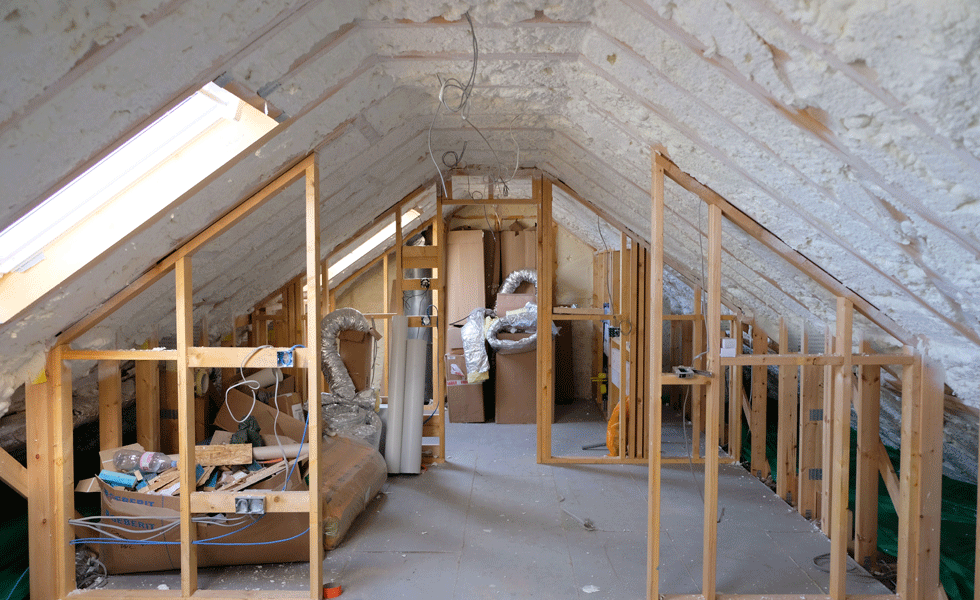
Most attic insulation materials, such as fiberglass batts, cellulose, or spray foam, contain millions of tiny air pockets. These pockets trap air, making it difficult for heat to pass through. As a result, less heat enters your home, and your air conditioner doesn’t have to work as hard to keep things cool.

Key Benefits of Upgrading Attic Insulation for Hot Weather
- Consistent Indoor Temperatures: Proper insulation helps maintain a steady temperature throughout your home, reducing hot spots and making every room more comfortable.
- Lower Cooling Costs: With less heat entering your home, your air conditioning system runs less frequently, leading to noticeable energy savings.
- Reduced Strain on HVAC Systems: Insulation lessens the workload on your cooling equipment, which can extend its lifespan and reduce maintenance needs.
- Improved Indoor Air Quality: A well-insulated attic can help prevent the infiltration of outdoor pollutants and allergens, especially when paired with proper air sealing.
- Protection Against Moisture and Mold: By reducing temperature fluctuations and condensation, insulation can help prevent moisture buildup and mold growth in your attic.
Types of Attic Insulation and Their Impact on Summer Comfort
The effectiveness of attic insulation depends on the material used, its thickness, and how well it’s installed. Here’s a look at common options and how they influence comfort during hot months:
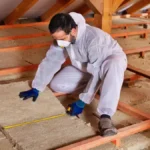
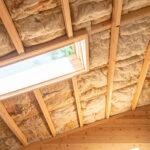
- Fiberglass Batts: Widely used and affordable, fiberglass batts are easy to install and provide good thermal resistance. However, gaps or compression can reduce their effectiveness.
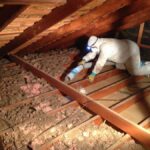
- Blown-In Cellulose: Made from recycled paper treated for fire resistance, cellulose is dense and fills gaps well, offering excellent coverage and heat resistance.
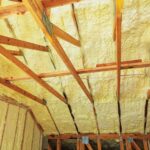
- Spray Foam: This high-performance option expands to fill every nook and cranny, creating an air-tight seal that blocks both heat and air leaks. Spray foam is especially effective in hot climates.
- Rigid Foam Boards: Often used in combination with other materials, rigid foam boards provide high R-values per inch and are useful for targeted upgrades.
Evaluating Your Attic’s Current Insulation
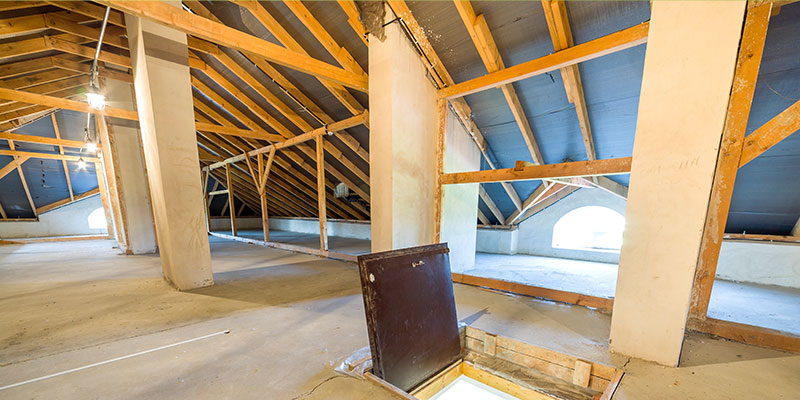
Before making improvements, assess your attic’s existing insulation. Look for signs of inadequate coverage, such as visible joists, uneven layers, or compressed material. If your attic feels excessively hot or if you notice temperature swings in your home, it may be time for an upgrade.
The recommended insulation level is typically measured by R-value, which indicates resistance to heat flow. For hot climates, experts generally suggest an R-value of R-30 to R-60 in the attic. If you’re unsure about your current setup, consider a professional inspection.
For more information on optimizing your home’s energy performance, see our guide to roof insulation for energy efficiency.
Best Practices for Improving Summer Comfort with Attic Insulation
- Seal Air Leaks: Insulation works best when paired with proper air sealing. Check for gaps around vents, pipes, and light fixtures, and use caulk or spray foam to close them.
- Choose the Right Material: Select an insulation type that matches your climate, budget, and attic structure. Spray foam and blown-in cellulose are excellent for hot, humid regions.
- Ensure Proper Installation: Even the best materials won’t perform well if installed incorrectly. Follow manufacturer guidelines or hire a qualified contractor.
- Maintain Adequate Ventilation: While insulation slows heat transfer, attic ventilation helps remove excess heat and moisture, further improving comfort and preventing damage.
- Upgrade When Needed: If your insulation is old, damaged, or insufficient, upgrading can yield immediate improvements in comfort and efficiency.
Related Considerations: Moisture, Condensation, and Roof Health
While focusing on summer comfort, it’s important to remember that insulation also plays a role in managing moisture and preventing condensation. Poorly insulated attics can lead to water buildup, which may cause mold, mildew, or even structural damage over time. For a comprehensive look at these issues, check out our article on roof insulation and moisture control.
Frequently Asked Questions
How does attic insulation make a home cooler in summer?
Insulation acts as a thermal barrier, reducing the amount of heat that enters your home from the attic. By slowing heat transfer, it helps keep indoor spaces cooler and reduces the workload on your air conditioning system.
What is the best type of attic insulation for hot climates?
Spray foam and blown-in cellulose are both excellent choices for hot climates. They provide high R-values and fill gaps effectively, minimizing heat intrusion and air leaks.
Can adding insulation help lower my energy bills in summer?
Yes, upgrading your attic insulation can significantly reduce cooling costs by keeping more of the heat out and allowing your HVAC system to run less frequently.
How do I know if my attic insulation needs to be replaced?
Signs of inadequate insulation include uneven temperatures in your home, visible attic joists, or insulation that appears compressed, wet, or damaged. A professional assessment can help determine if an upgrade is needed.
Is attic ventilation important if I have good insulation?
Yes, proper ventilation works alongside insulation to remove excess heat and moisture from the attic, preventing problems like mold, mildew, and roof damage.