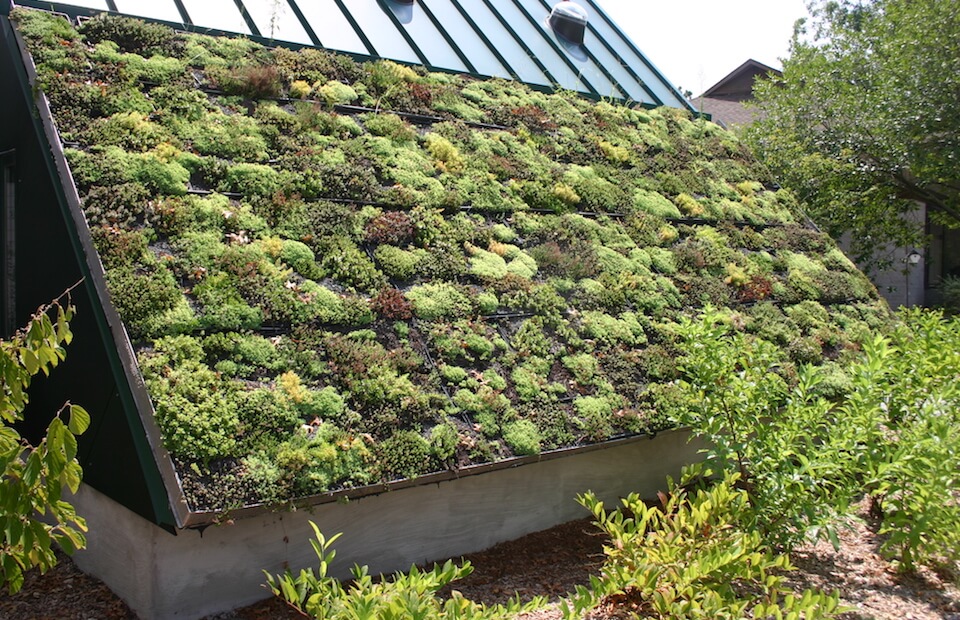
In an ever-noisy world, finding ways to reduce sound pollution is crucial. One innovative solution gaining traction is the use of green roofs. These living roofs not only enhance the aesthetic appeal of buildings but significantly contribute to noise reduction. This article explores the concept of green roofs and how they can effectively reduce noise, creating a peaceful environment for homeowners.
What Are Green Roofs?
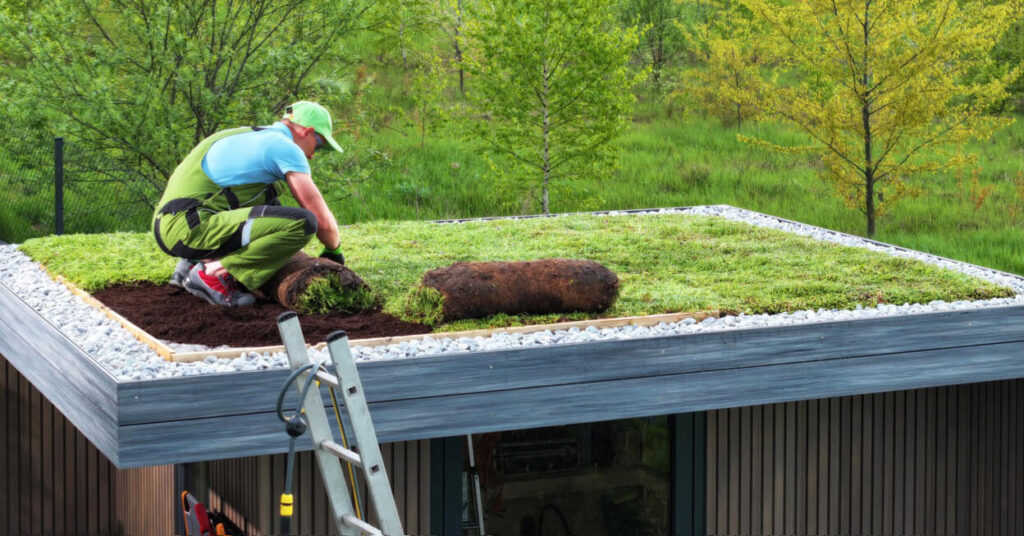
Green roofs, also known as living roofs, are rooftop gardens that involve planting vegetation on top of a building. This concept is not new, with historical roots dating back centuries, but modern green roofs incorporate advanced technology and design to achieve sustainable living goals. They consist of layers including a waterproof membrane, soil, and plants, all working together to provide numerous benefits.
How Do Green Roofs Work?
The magic of green roofs lies in their structure and composition. The layers of soil and vegetation provide both thermal insulation and sound absorption. The soil acts as a natural barrier, while the plants disperse sound waves, reducing the impact of noise from outside sources such as traffic and industrial activities.
The Science Behind Noise Reduction
The effectiveness of noise reduction through green roofs is backed by science. The combination of soil and plants absorbs, deflects, and refracts sound waves. Studies have shown that green roofs can reduce noise levels by up to 10 decibels, making a noticeable difference in urban environments.
Types of Green Roofs
There are two main types of green roofs: extensive and intensive. Extensive roofs are lightweight, with a thin layer of soil and low-maintenance plants, ideal for buildings with limited load-bearing capacity. Intensive roofs are heavier, featuring deeper soil and a wider variety of plants, offering greater benefits.
Benefits of Green Roofs
Green roofs offer a plethora of benefits beyond noise reduction. They improve air quality, increase biodiversity by providing habitats for wildlife, and contribute to energy efficiency by reducing the need for air conditioning. Furthermore, they add value to properties by enhancing their aesthetic appeal.
Implementing Green Roofs
Installing a green roof requires careful planning and consideration. Factors such as building structure, climate, and desired plant types must be taken into account. It’s advisable to consult with professionals to ensure the successful implementation of a green roof system.
Choosing the Right Plants
Plant selection is critical for the success of a green roof. Opt for native and drought-resistant species that require minimal maintenance. Sedums and succulents are popular choices due to their resilience and ability to thrive in harsh conditions.
Maintenance of Green Roofs
Despite their low maintenance nature, green roofs still require regular care. This includes watering during dry spells, occasional weeding, and monitoring the health of plants. Proper maintenance ensures the longevity and effectiveness of the green roof system.
Cost Considerations
While the initial investment for green roofs can be higher than traditional roofing systems, the long-term benefits often outweigh the costs. Reduced energy bills, increased property value, and noise reduction contribute to a positive return on investment. For more details on costs vs benefits, visit our detailed guide.
Environmental Impact
Green roofs play a vital role in mitigating climate change. By absorbing carbon dioxide and providing insulation, they reduce the overall carbon footprint of buildings. Additionally, they help manage stormwater runoff, reducing the risk of urban flooding.
Case Studies
Numerous buildings worldwide have successfully implemented green roofs for noise reduction. For instance, the Acros Fukuoka building in Japan and the City Hall in Chicago serve as exemplary models of how green roofs can transform urban landscapes into serene, eco-friendly environments.
Future of Green Roofs
The future of green roofs looks promising as more cities and homeowners recognize their benefits. With advancements in technology and a growing emphasis on sustainable living, green roofs are set to become an integral part of urban planning and architecture.
Conclusion
In conclusion, green roofs offer an effective solution to noise reduction, providing a peaceful oasis amidst urban chaos. By embracing this sustainable practice, homeowners can enjoy a quieter, more eco-friendly living space. For a deeper understanding of green roofs and their benefits, consider visiting Permagard’s guide.
FAQs
What is a green roof?
A green roof is a rooftop garden that includes layers of soil and vegetation, providing environmental and aesthetic benefits.
How do green roofs reduce noise?
Green roofs reduce noise by absorbing, deflecting, and refracting sound waves, thus lowering noise levels in urban areas.
Are green roofs cost-effective?
Yes, while the initial costs may be higher, the long-term benefits of green roofs in terms of energy savings and property value make them a cost-effective solution.
This article contains affiliate links. We may earn a commission at no extra cost to you.