


As we navigate the challenges of climate change and urbanization, the adoption of green roofing systems is gaining momentum among homeowners seeking sustainable and environmentally friendly solutions. These systems not only enhance the aesthetics of a building but also offer a myriad of environmental and economic benefits.
In this article, we will explore the various types of green roofing systems, their benefits, and how they contribute to a more sustainable future. Whether you’re a homeowner considering a new roof or an architect looking to incorporate eco-friendly designs, understanding the fundamentals of green roofing can significantly impact your decision-making process.
What Are Green Roofing Systems?
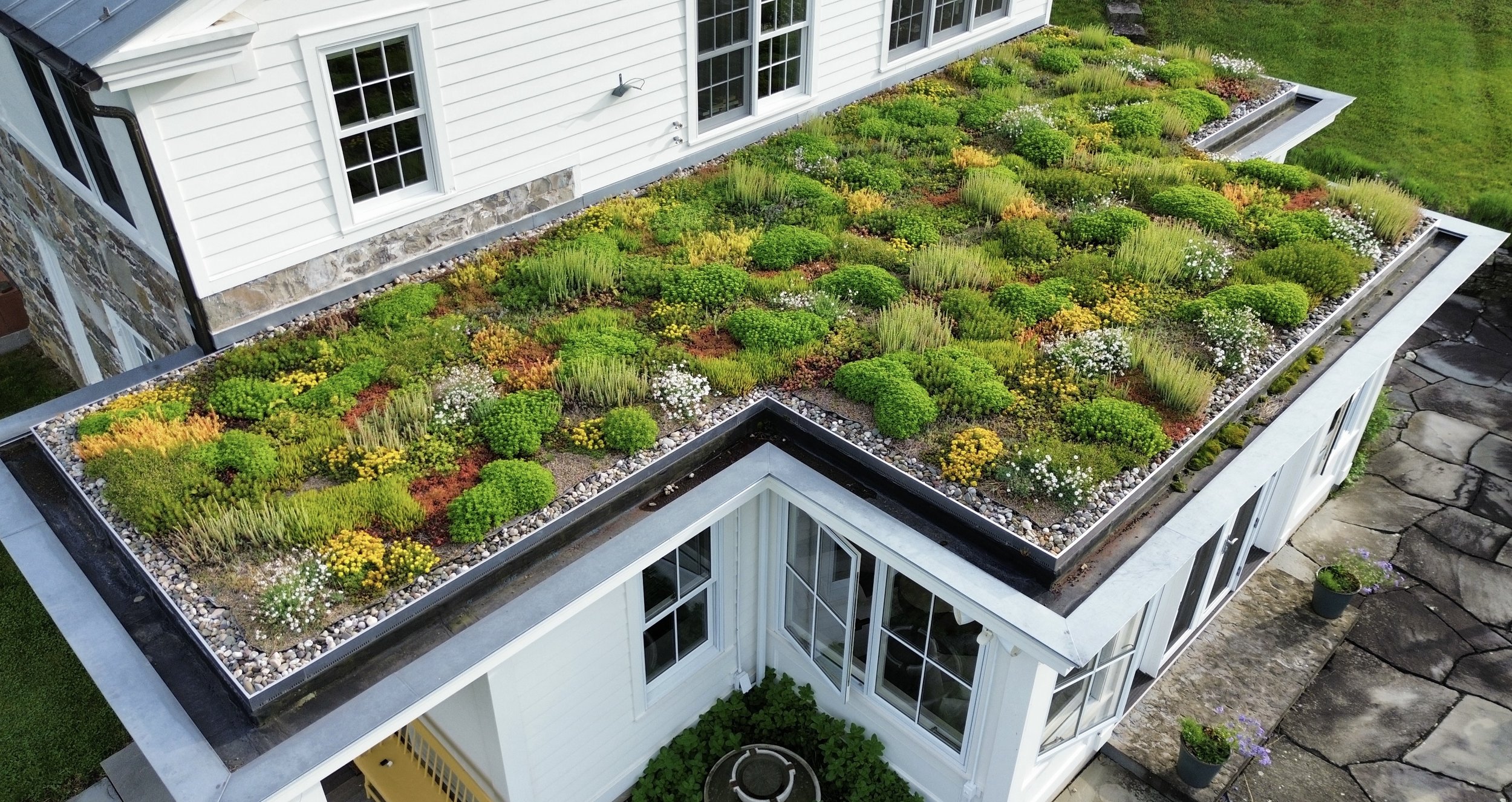
Green roofing systems, also known as living roofs, incorporate vegetation and a growing medium installed over a waterproofing membrane. These roofs can be categorized into three main types: extensive, semi-intensive, and intensive, based on their depth and the vegetation they support.
Extensive Green Roofs
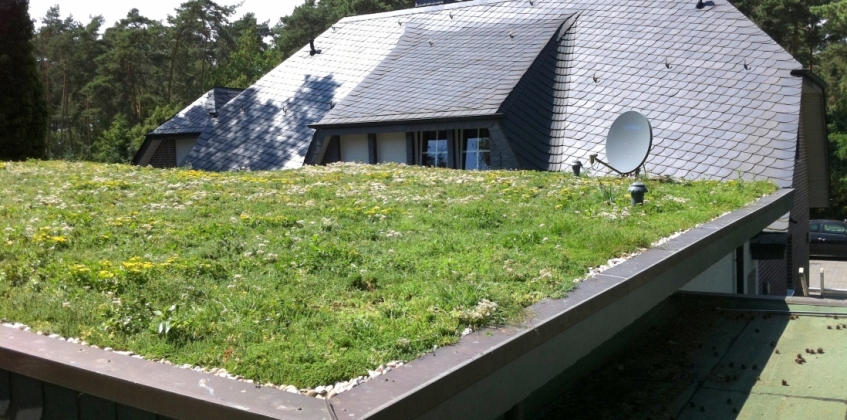
Extensive green roofs are characterized by their shallow soil depth, typically between 2 to 6 inches. They are lightweight and suitable for roofs with limited load-bearing capacity. The vegetation primarily consists of low-maintenance plants like mosses, sedums, and grasses.
Semi-Intensive Green Roofs
Semi-intensive roofs feature a soil depth ranging from 6 to 12 inches, allowing for a more diverse plant selection. These roofs can support small shrubs and a variety of grasses, requiring moderate maintenance and irrigation.
Intensive Green Roofs
Intensive green roofs have a soil depth of over 12 inches, capable of supporting a wide range of plants, including trees and shrubs. These roofs are often designed as rooftop gardens, requiring significant structural support and maintenance.
Environmental Benefits of Green Roofing Systems
Green roofing systems provide numerous environmental benefits, making them a valuable addition to urban landscapes.
Improved Air Quality
Vegetation on green roofs helps filter pollutants and carbon dioxide from the air, contributing to cleaner and healthier urban environments. Plants also produce oxygen, enhancing air quality in densely populated areas.
Stormwater Management
One of the significant advantages of green roofing systems is their ability to manage stormwater runoff. The vegetation and soil absorb rainwater, reducing the burden on drainage systems and minimizing the risk of flooding. Learn more about compliance with local codes.
Temperature Regulation
Green roofing systems act as natural insulators, reducing the need for heating and cooling in buildings. They help mitigate the urban heat island effect by lowering roof surface temperatures and providing a cooling effect through evapotranspiration.
Economic Benefits of Green Roofing Systems
Beyond environmental advantages, green roofing systems offer several economic benefits that can enhance the value of your home.
Energy Efficiency
By reducing the demand for heating and cooling, green roofs can significantly lower energy bills. The insulation provided by the vegetation and soil helps maintain a stable indoor temperature, reducing reliance on HVAC systems.
Increased Property Value
The aesthetic appeal and sustainability features of green roofs can increase the market value of a property. Homes with green roofing systems are often more attractive to environmentally conscious buyers.
Extended Roof Lifespan
The protective layers of vegetation and soil shield the underlying roof materials from UV radiation and temperature fluctuations, extending the lifespan of the roof. This reduces maintenance and replacement costs over time.
Design Considerations for Green Roofing Systems
When planning a green roofing system, there are several key design considerations to keep in mind.
Structural Support
Green roofs require adequate structural support to bear the additional weight of soil and vegetation. Consulting with a structural engineer is essential to ensure the building can accommodate the new load.
Waterproofing
A high-quality waterproofing membrane is crucial to prevent water infiltration and protect the building structure. Regular maintenance and inspections are necessary to ensure the membrane’s integrity.
Plant Selection
The choice of vegetation depends on the climate, roof conditions, and desired aesthetic. Native plants are often preferred for their adaptability and low maintenance requirements.
Installation and Maintenance of Green Roofing Systems
Proper installation and maintenance are vital for the success and longevity of green roofing systems.
Installation Process
The installation of a green roof involves several steps, including the application of a waterproofing membrane, drainage layer, root barrier, and growing medium. Professional installation is recommended to ensure optimal performance.
Maintenance Practices
Regular maintenance is essential to keep the green roof healthy and functioning effectively. This includes irrigation, fertilization, and the removal of weeds and debris. For more tips, visit our inspection guide.
Challenges and Solutions for Green Roofing Systems
While green roofing systems offer numerous benefits, they also present certain challenges.
Weight Considerations
The additional weight of soil and vegetation requires careful planning and structural assessment. Engineers can provide solutions to reinforce the building structure as needed.
Cost Implications
The initial cost of installing a green roof can be higher than traditional roofing. However, the long-term savings in energy and maintenance costs often offset the upfront investment.
Climate Adaptability
Choosing the right plants for the local climate is crucial for the success of a green roof. Native species are more likely to thrive and require less maintenance.
FAQs
What is the lifespan of a green roof?
A well-maintained green roof can last 30 to 50 years, significantly longer than traditional roofs.
Can green roofs be installed on existing buildings?
Yes, green roofs can be retrofitted onto existing structures, provided the building can support the additional weight.
Are green roofs suitable for all climates?
Green roofs can be adapted to various climates by selecting appropriate plant species and design features. Learn more about benefits of green roofs.
In conclusion, green roofing systems represent an innovative approach to sustainable architecture, offering both environmental and economic advantages. By choosing a green roof, homeowners can contribute to a healthier planet while enhancing the value and efficiency of their homes.
This article contains affiliate links. We may earn a commission at no extra cost to you.


