


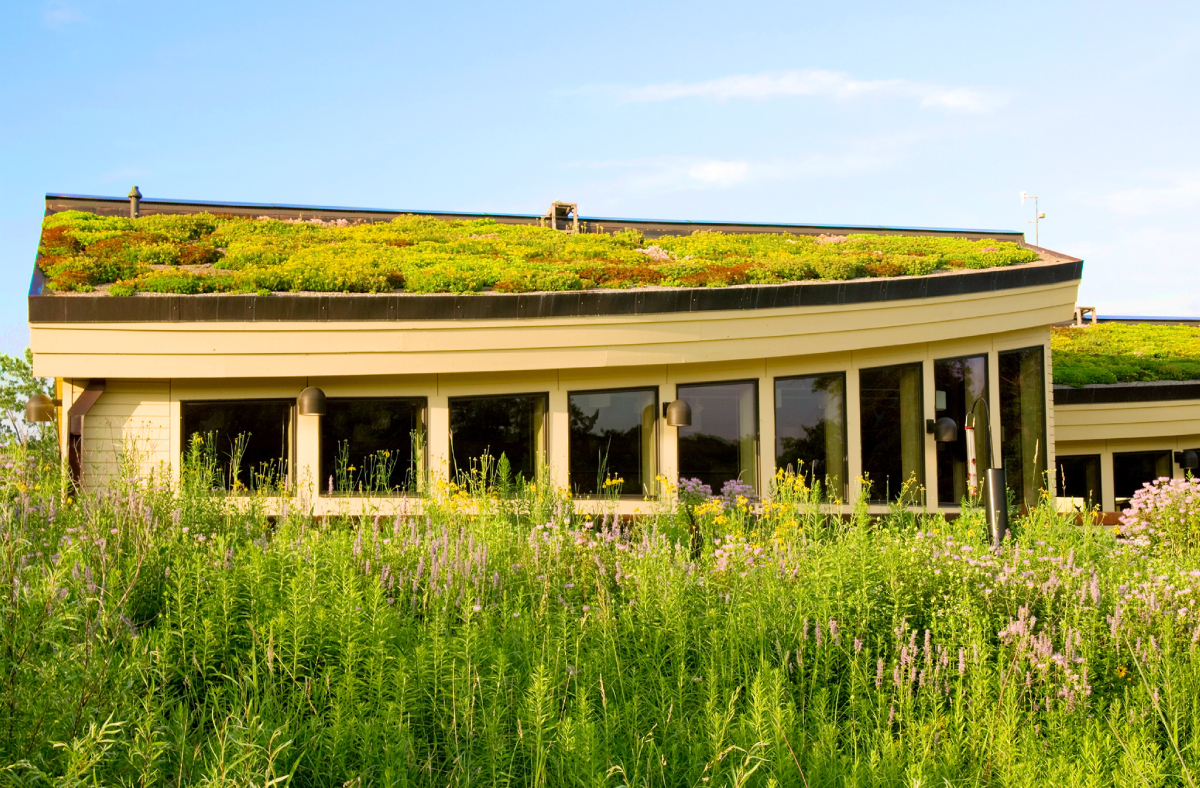
In recent years, the concept of green roofs has gained popularity among homeowners due to their environmental benefits and aesthetic appeal. However, one of the primary concerns that many potential adopters have is the wind resistance of these roofs. It is crucial to understand how green roofs can withstand various weather conditions, particularly strong winds, to ensure that your investment remains secure and effective.
A green roof is more than just a layer of plants on top of a building. It is a sophisticated system that includes multiple layers designed to support plant life while protecting the underlying structure. Among its many benefits, a green roof offers excellent insulation, reduces stormwater runoff, and enhances urban biodiversity. However, wind resistance remains a key factor in its overall functionality.
Understanding Green Roof Construction
Before diving into the specifics of wind resistance, it is essential to understand the basic structure of a green roof. Most green roofs consist of several layers, each serving a distinct purpose. These layers typically include a waterproof membrane, root barrier, drainage layer, growing medium, and the plants themselves.
The Importance of Layering
The layering system in a green roof is crucial for its structural integrity and functionality. Each layer plays a role in ensuring that the roof can resist wind forces effectively. The waterproof membrane protects the building, while the root barrier prevents plant roots from penetrating the structure. The drainage layer allows excess water to flow away, reducing weight load and preventing waterlogging.
Factors Affecting Wind Resistance
Several factors influence the wind resistance of a green roof. Understanding these factors can help homeowners and builders design more resilient roofs.
Type of Vegetation
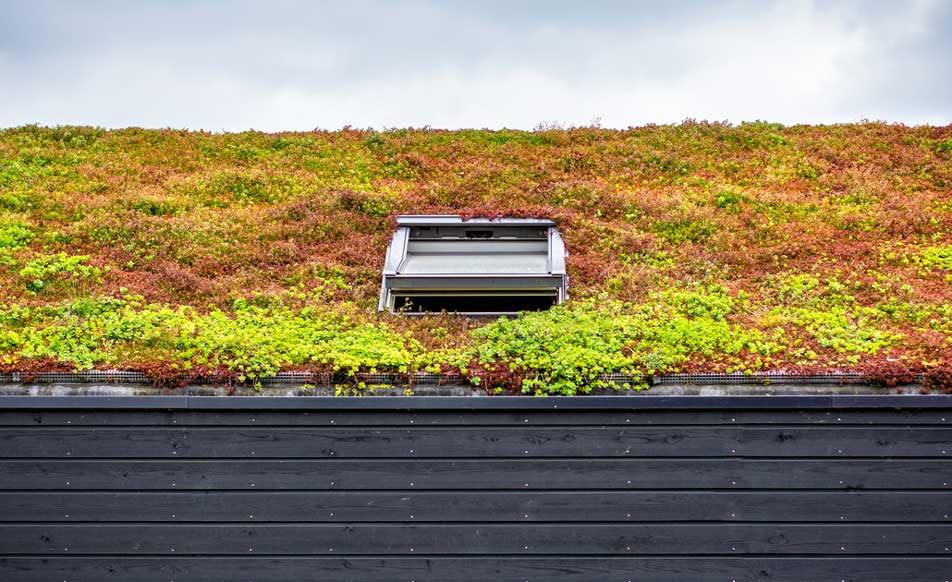
The type of plants used in a green roof can significantly impact its ability to withstand wind. Low-growing, dense plants are generally more resistant to wind forces compared to tall, sparse vegetation. Sedums and grasses are popular choices for their hardiness and low profile.
Roof Slope and Design
The slope and overall design of the roof also play a vital role. A gently sloping roof is more likely to perform better in windy conditions than a steeply pitched one. Additionally, the edges and corners of the roof are more vulnerable to wind uplift, so they require careful design and reinforcement.
Installation Techniques
Proper installation is critical for green roof wind resistance. Ensuring that all layers are securely fastened and that the vegetation is well-rooted can prevent wind uplift and displacement. Regular maintenance and inspections are also necessary to address any potential issues promptly.
Benefits of Green Roofs Beyond Wind Resistance
While wind resistance is a critical consideration, green roofs offer a myriad of other benefits that make them an attractive choice for homeowners.
Environmental Impact
Green roofs contribute to reducing the urban heat island effect, improve air quality, and provide habitats for wildlife. They also play a role in managing stormwater by absorbing and filtering rainwater, reducing the burden on municipal drainage systems.
For more information on the environmental benefits of green roofs, you can check out this detailed analysis.
Energy Efficiency
One of the most significant advantages of a green roof is its ability to improve a building’s energy efficiency. By providing insulation, green roofs help reduce heating and cooling costs, making them a cost-effective and sustainable option for homeowners.
Challenges and Solutions
Despite the numerous benefits, green roofs also present some challenges that need to be addressed.
Weight and Structural Support
A common concern is the additional weight that a green roof places on a building. Proper structural assessment and design are essential to ensure that the building can support the roof’s weight. In some cases, reinforcing the structure may be necessary.
Maintenance Requirements
Green roofs require regular maintenance to remain effective and aesthetically pleasing. This includes weeding, watering, and inspecting the system for any signs of damage or drainage issues.
Case Studies and Real-World Examples
Several cities worldwide have successfully implemented green roofs as part of their urban planning strategies. For instance, in Chicago, green roofs are part of the city’s sustainability plan, providing both environmental and economic benefits.
Learn more about how urban wildlife thrives with green roofs.
Conclusion
In conclusion, the wind resistance of a green roof is a crucial factor in its design and implementation. By considering factors such as plant selection, roof design, and installation techniques, homeowners can ensure that their green roofs are both beautiful and resilient. The additional benefits, including energy efficiency and environmental impact, make green roofs an excellent choice for those looking to invest in sustainable living.
FAQs
What plants are best for high wind areas on green roofs?
Low-growing, hardy plants such as sedums and grasses are ideal for high wind areas as they offer better wind resistance compared to taller plants.
How often should green roofs be maintained?
Regular maintenance, including weeding, watering, and inspections, should be conducted at least quarterly to ensure the health and stability of a green roof.
Are green roofs suitable for all climates?
While green roofs can be adapted to various climates, their design and plant selection should be tailored to local conditions to maximize performance and wind resistance.
This article contains affiliate links. We may earn a commission at no extra cost to you.


