


In recent years, the concept of green roofs has gained significant popularity among homeowners. A green roof offers numerous benefits, not only to your home but also to the environment. This article explores the various green roof benefits and why you should consider installing one on your property.
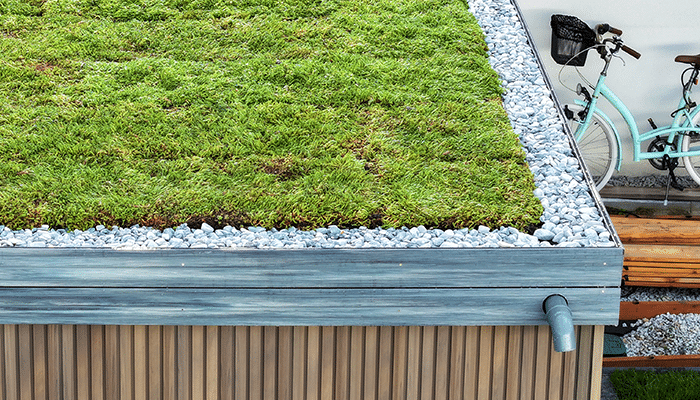
Introduction to Green Roofs
Green roofs, also known as vegetative or living roofs, are roofs that are partially or completely covered with vegetation. They typically include a waterproofing layer, a growing medium, and plants. These roofs provide a sustainable alternative to traditional roofing materials.
Environmental Benefits of Green Roofs
Improved Air Quality
One of the primary green roof benefits is the ability to improve air quality. Plants on green roofs absorb carbon dioxide and release oxygen, reducing air pollution and providing cleaner air in urban areas. This can be particularly beneficial in densely populated cities where air quality is a concern.
Urban Heat Island Effect
Green roofs help mitigate the urban heat island effect, where urban areas become significantly warmer than their rural surroundings. The vegetation on green roofs absorbs sunlight, which would otherwise be converted into heat energy, cooling down the surrounding area and reducing the need for air conditioning.
Economic Benefits of Green Roofs
Energy Efficiency
Another significant green roof benefit is increased energy efficiency. Green roofs provide excellent insulation, helping to keep buildings cooler in the summer and warmer in the winter. This can lead to reduced energy consumption and lower utility bills for homeowners.
Increased Property Value
Installing a green roof can also increase your property’s value. As more people become aware of the environmental advantages of green roofs, homes with eco-friendly features become more attractive to potential buyers, offering a higher resale value.
Social Benefits of Green Roofs
Aesthetic Appeal
Green roofs provide a visually pleasing environment, transforming dull, gray rooftops into vibrant, green spaces. This aesthetic appeal can enhance the overall look of your home and contribute to a more pleasant neighborhood.
Community Engagement
Green roofs can also foster community engagement. They offer opportunities for community gardens, educational projects, and recreational spaces, bringing people together and promoting social interaction.
Environmental Impact and Sustainability
Stormwater Management
A key green roof benefit is stormwater management. Green roofs absorb rainwater, reducing runoff and the burden on urban drainage systems. This can help prevent flooding and reduce the risk of water pollution.
Biodiversity and Habitat Restoration
Green roofs can support biodiversity by providing habitats for various species, including birds, insects, and plants. They contribute to habitat restoration in urban areas, promoting a balanced ecosystem.
Maintenance and Longevity
Durability
Green roofs can extend the lifespan of roofing materials by protecting them from UV rays and extreme temperatures. This increased durability means fewer replacements and repairs over time, saving homeowners money in the long run.
Maintenance Requirements
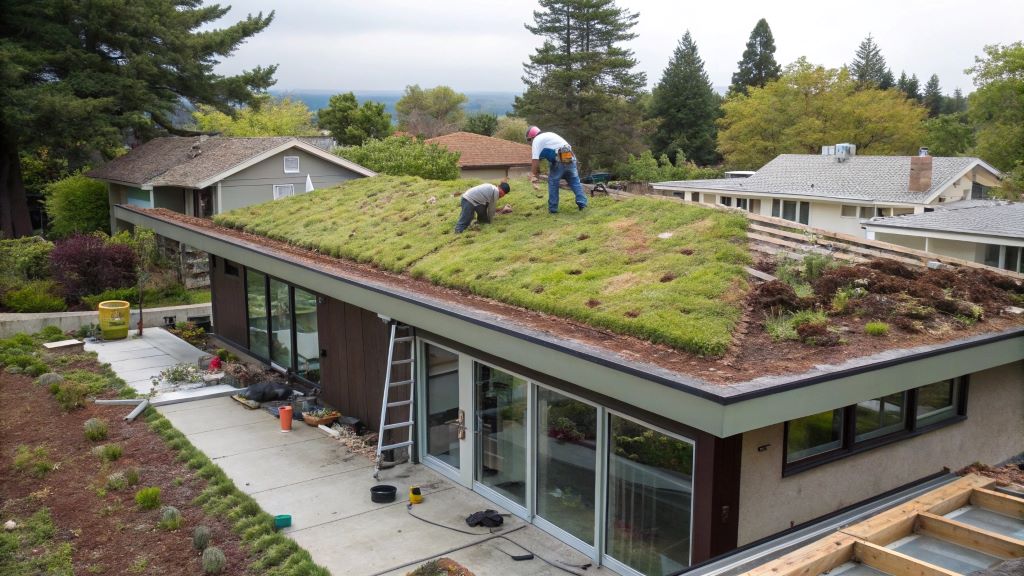
While green roofs require some level of maintenance, such as watering and weeding, they generally need less upkeep than traditional gardens. Regular maintenance ensures that the plants remain healthy and the roof continues to provide its full range of benefits.
Challenges and Considerations
Structural Requirements
Before installing a green roof, it’s essential to consider the structural requirements. Green roofs are heavier than traditional roofs and may require additional support to handle the extra weight and ensure safety.
Initial Costs
The initial cost of installing a green roof can be higher than that of traditional roofs. However, the long-term savings on energy bills and reduced maintenance costs can offset this initial investment.
Real-World Examples
Successful Green Roof Projects
Many cities worldwide have embraced green roofs. For instance, the City of Chicago has implemented numerous green roof projects to combat urban heat and improve air quality. These projects serve as excellent examples of the positive impact green roofs can have on urban environments.
Conclusion
Green roofs offer a multitude of benefits, from improving air quality to increasing property value. While there are challenges to consider, such as structural requirements and initial costs, the long-term advantages make them a worthwhile investment for homeowners. By embracing green roofs, you can contribute to a more sustainable and eco-friendly future.
FAQs
What is a green roof?
A green roof is a roof covered with vegetation, providing environmental, economic, and social benefits.
Do green roofs require a lot of maintenance?
Green roofs require some maintenance, such as watering and weeding, but generally less than traditional gardens.
Can any building support a green roof?
Not all buildings can support a green roof. It’s essential to assess the structural requirements before installation.
This article contains affiliate links. We may earn a commission at no extra cost to you.


