


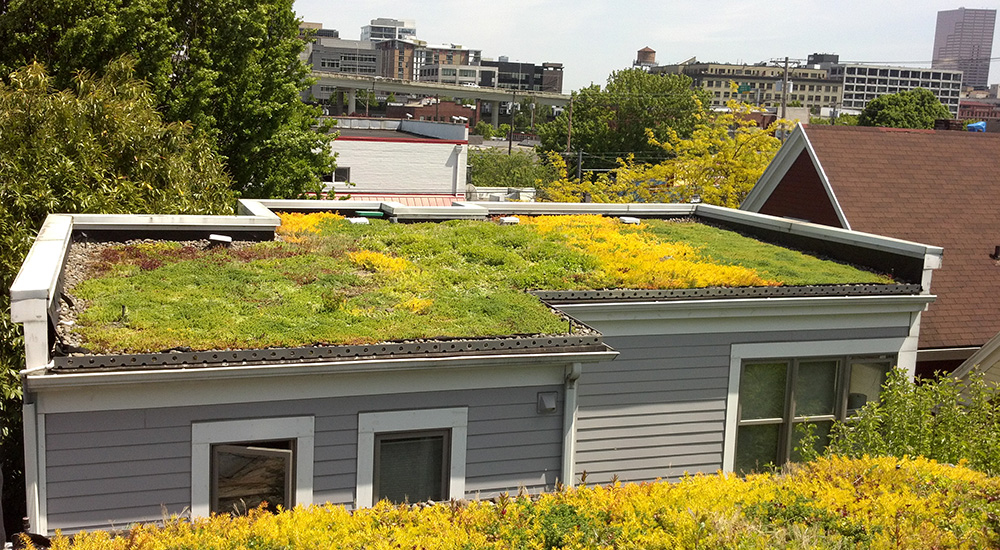
With the growing interest in sustainable living, many homeowners are considering installing eco roofs. However, understanding the eco roof load requirements is crucial for ensuring the safety and effectiveness of these green systems. This article will delve into the various aspects of load requirements that homeowners need to be aware of.

What is an Eco Roof?
An eco roof, also known as a green roof, is a roof that is partially or completely covered with vegetation and a growing medium. This system is installed over a waterproofing membrane and often includes additional layers such as root barriers and drainage systems.
Importance of Load Requirements
Understanding the load requirements of an eco roof is essential. It ensures that the existing structure can support the additional weight of the soil, plants, and retained water without compromising safety or structural integrity.
Components Affecting Load
The load of an eco roof depends on several components:
- Soil and plant materials
- Water retention systems
- Additional structural layers
Calculating Eco Roof Load Requirements
Calculating the load requirements involves determining the live load, dead load, and environmental factors such as snow and wind. Homeowners should consult with structural engineers to assess these factors accurately.
Live Load vs. Dead Load
The live load refers to the weight of temporary elements like people and furniture, while the dead load includes permanent components like soil and plants. Both loads must be considered for eco roofs.
Impact of Climate and Weather
Climate and weather significantly impact the eco roof load requirements. For instance, regions with heavy snowfall require roofs that can handle additional weight.
Water Retention and Drainage
Effective water retention and drainage systems are crucial. They help manage excess water and prevent structural damage. For more insights, visit the soil mix page on Roof Home.
Choosing the Right Vegetation
The choice of vegetation affects the load requirements as different plants have varying weights and water retention capabilities.
Types of Vegetation
Common vegetation types include:
- Sedums and succulents
- Grasses and wildflowers
- Small shrubs
Structural Considerations for Eco Roofs
Before installing an eco roof, homeowners should ensure that their building’s structure can support it. Reinforcement may be necessary for older buildings.
Consulting with Professionals
Consulting with architects and engineers is advisable to evaluate the building’s capacity to support an eco roof.
Advantages of Eco Roofs
Eco roofs offer numerous benefits, including improved insulation, reduced stormwater runoff, and enhanced biodiversity. Learn more about how urban wildlife interacts with green roofs.
Environmental Benefits
Eco roofs contribute to reducing the urban heat island effect and improving air quality.
Maintenance of Eco Roofs
Regular maintenance is essential to ensure the long-term health of an eco roof. This includes monitoring plant health, checking drainage systems, and ensuring structural stability.
Routine Inspections
Inspections should be conducted periodically to address any issues promptly.
Cost Considerations
While the initial cost of installing an eco roof can be high, the long-term savings on energy bills and roof replacement costs can be significant.
Return on Investment
An eco roof can provide a substantial return on investment through energy savings and increased property value.
Case Studies of Successful Eco Roofs
Examining successful eco roof installations can provide valuable insights into the benefits and challenges of these systems. For example, the Wikipedia page on green roofs offers a comprehensive overview of various implementations.
Lessons Learned
These case studies highlight best practices and innovative solutions in eco roof design.
Future Trends in Eco Roofing
The future of eco roofing looks promising, with advancements in materials and design techniques. Explore the latest roofing trends to stay updated.
Technological Innovations
New technologies are making eco roofs more efficient and easier to maintain.

Frequently Asked Questions
What are the basic components of an eco roof?
An eco roof typically includes vegetation, a growing medium, waterproof membranes, drainage systems, and sometimes additional structural layers.
Can any building support an eco roof?
Not all buildings can support an eco roof. It’s essential to consult with structural engineers to determine if reinforcement is needed.
How often should eco roofs be maintained?
Regular maintenance is crucial, with inspections recommended at least twice a year to ensure all systems function properly.
This article contains affiliate links. We may earn a commission at no extra cost to you.


