In today’s world, more homeowners are seeking ways to make their homes more environmentally friendly. One significant way to achieve this is through choosing eco-friendly roof options. Not only do these options help the environment, but they can also enhance the aesthetic appeal of your home. In this article, we’ll explore the different types of eco-friendly roofs available, their benefits, and how they contribute to a sustainable future.
Understanding Eco-Friendly Roofs
Eco-friendly roofs are designed to reduce energy consumption, lower greenhouse gas emissions, and minimize environmental impact. They are made from sustainable materials and are designed to be energy-efficient. By choosing an eco-friendly roof, homeowners can reduce their carbon footprint and contribute to a healthier planet.
Benefits of Eco-Friendly Roofs
There are numerous benefits to installing an eco-friendly roof. Firstly, they can significantly reduce your energy bills. Many eco-friendly roofs are designed to reflect sunlight and absorb less heat, keeping your home cooler in the summer without relying heavily on air conditioning. This not only saves money but also reduces energy consumption.
Another advantage is their durability. Eco-friendly roofing materials are often more durable than traditional ones, meaning they last longer and require fewer replacements over time. This longevity translates to less waste and fewer resources used in production and installation.
Types of Eco-Friendly Roofing Options
1. Cool Roofs
Cool roofs are designed to reflect more sunlight and absorb less heat than standard roofs. They are typically made from reflective materials like white tiles or specially coated metal. This type of roofing can reduce air conditioning costs and improve indoor comfort during hot weather.
2. Green Roofs
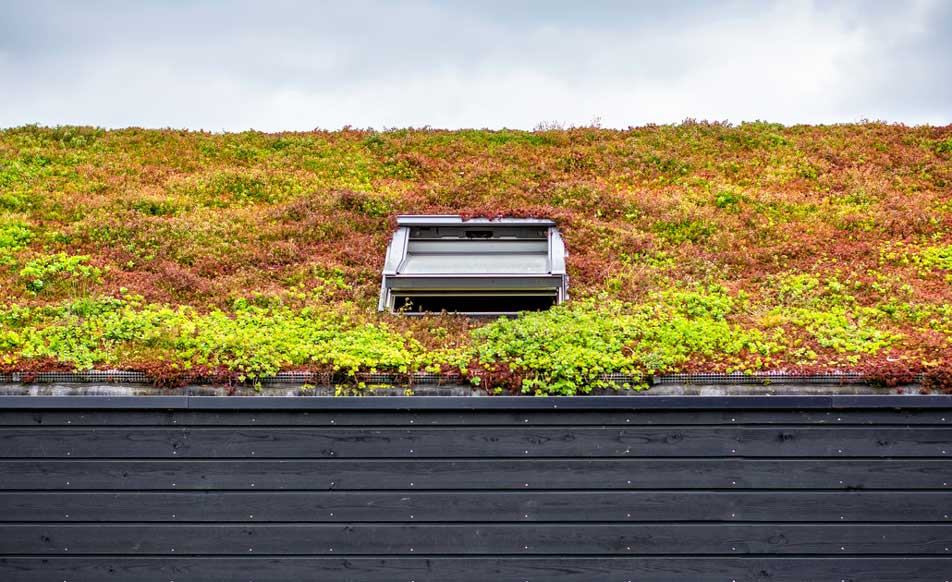
Green roofs, also known as living roofs, are partially or completely covered with vegetation. They provide excellent insulation, reduce stormwater runoff, and improve air quality. Additionally, green roofs create a habitat for wildlife and enhance the aesthetic value of a building.
3. Solar Roofs
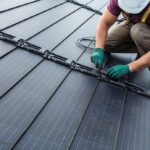
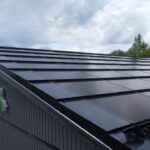
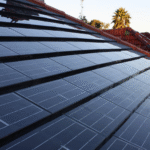
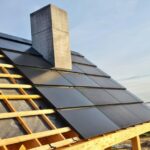
Solar roofs are integrated with solar panels, allowing homeowners to generate their own electricity. This not only reduces reliance on fossil fuels but can also lead to significant savings on electricity bills. Solar roofs are an excellent choice for those looking to maximize their home’s energy efficiency.
4. Recycled Material Roofs
Recycled material roofs are made from materials like reclaimed wood, metal, or rubber. These materials are repurposed from old products, reducing the need for new resources. This type of roofing is not only environmentally friendly but also offers unique aesthetic options.
Installation and Maintenance
Installing an eco-friendly roof can be a straightforward process, but it is essential to work with a professional who understands sustainable roofing practices. Proper installation is crucial to ensure the roof performs as expected and provides the desired benefits.
Regular maintenance is also important. For instance, green roof maintenance involves ensuring that the plants are healthy and the drainage system is functioning correctly. Similarly, cool roofs and solar roofs require periodic cleaning to maintain their reflective and energy-producing capabilities.
Choosing the Right Eco-Friendly Roof for Your Home
When selecting an eco-friendly roof, consider factors such as your local climate, budget, and aesthetic preferences. It’s also essential to check local building codes and regulations to ensure compliance. For more information on compliance, you can refer to local roof regulations.
Eco-Friendly Roofs and the Environment
Eco-friendly roofs contribute to environmental sustainability by reducing energy consumption and greenhouse gas emissions. By reflecting more sunlight and requiring less energy for cooling, these roofs help mitigate the urban heat island effect, improving air quality and reducing energy demand.
The Role of Roofs in Sustainable Architecture
In the realm of sustainable architecture, roofs play a vital role. They can be designed to support renewable energy systems, enhance biodiversity, and improve stormwater management. By integrating eco-friendly roofs into new constructions and retrofitting existing buildings, we can create a more sustainable built environment.
Challenges and Considerations
While eco-friendly roofs offer numerous benefits, there are challenges to consider. Initial costs can be higher than traditional roofing options, and not all materials may be suitable for every climate. Additionally, some eco-friendly roofs require regular maintenance to ensure they perform optimally.
However, the long-term benefits often outweigh these challenges, as reduced energy costs, environmental impact, and increased property value make eco-friendly roofs a worthwhile investment.
Conclusion
Choosing eco-friendly roof options is a proactive step towards a sustainable future. By reducing energy consumption, minimizing environmental impact, and enhancing the aesthetic appeal of homes, these roofs offer a multitude of benefits. As homeowners, we have the power to make choices that positively impact our planet, and opting for an eco-friendly roof is one of those impactful choices.

Frequently Asked Questions
What is the most cost-effective eco-friendly roofing option?
The most cost-effective option depends on various factors, including climate and installation costs. However, cool roofs and recycled material roofs are often considered affordable choices.
How long do eco-friendly roofs last?
Eco-friendly roofs can last anywhere from 20 to 50 years, depending on the material and maintenance. For example, metal roofs made from recycled materials are known for their durability.
Are eco-friendly roofs suitable for all climates?
While most eco-friendly roofs can be adapted to different climates, it’s essential to choose a material that suits specific weather conditions. Consulting with a roofing professional can help determine the best option for your region.
This article contains affiliate links. We may earn a commission at no extra cost to you.