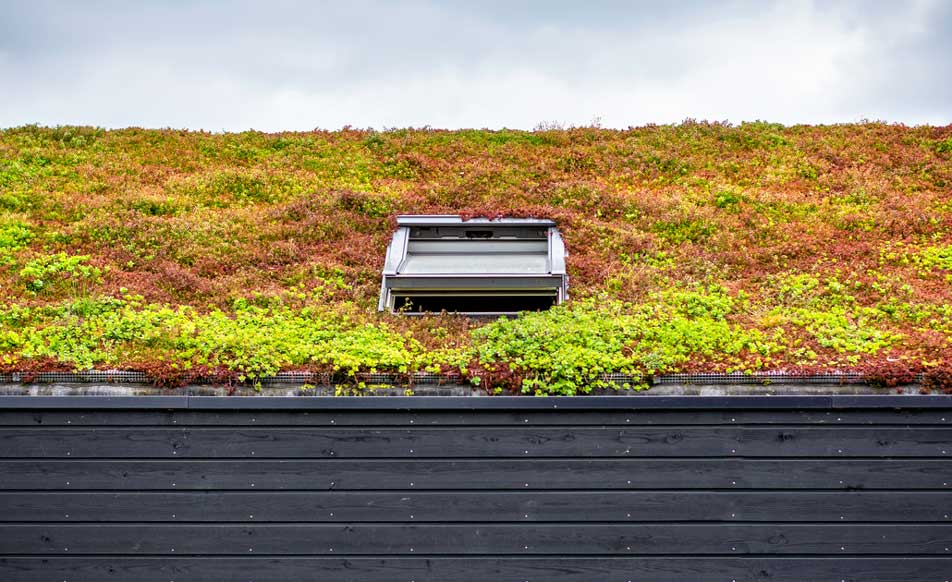
Green roofs, also known as vegetated roofs, are becoming increasingly popular among homeowners and city planners for their environmental benefits and aesthetic appeal. However, one critical aspect of these roofs that cannot be overlooked is their drainage solutions. Proper drainage is essential to ensure the longevity and effectiveness of a green roof. In this article, we will explore the various drainage solutions for vegetated roofs and why they are crucial for maintaining the health and functionality of these eco-friendly structures.
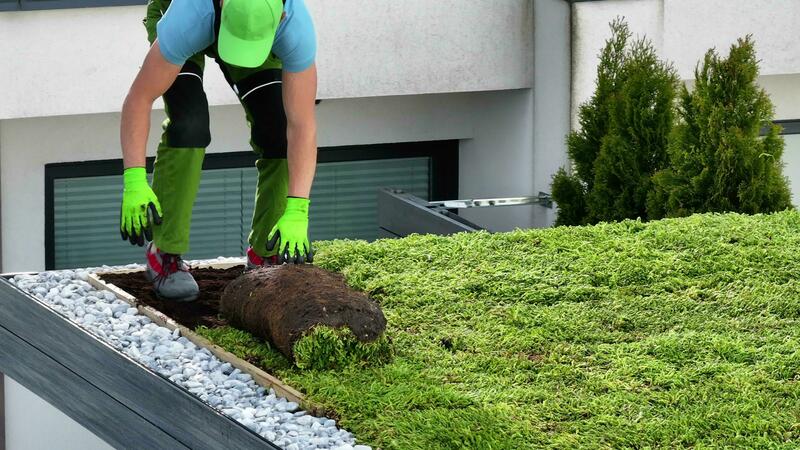
Understanding Vegetated Roofs
Before diving into drainage solutions, its essential to understand what vegetated roofs are. These roofs are covered with vegetation and a growing medium, planted over a waterproofing membrane. They provide numerous benefits, including improved air quality, reduced urban heat, and enhanced energy efficiency. However, without proper drainage, these benefits can quickly turn into issues.
Why Is Drainage Important?
Drainage solutions play a vital role in the performance of vegetated roofs. Without adequate drainage, excess water can accumulate, leading to potential structural damage, plant health issues, and even leaks. Proper drainage ensures that water is efficiently removed from the roof, preventing these problems and promoting a healthy environment for plant growth.
Potential Issues with Poor Drainage
- Excess water weight can compromise the structural integrity of the roof.
- Waterlogging can suffocate plant roots, leading to poor plant health.
- Standing water can cause leaks and damage to the buildings interior.
Components of a Green Roof Drainage System
A well-designed drainage system for a vegetated roof typically includes several components:
Drainage Layer
This layer is crucial for directing excess water away from the plants and the roof structure. It often consists of materials like gravel or specialized drainage mats.
Filter Fabric
The filter fabric prevents soil and other particles from clogging the drainage system while allowing water to pass through.
Waterproof Membrane
This membrane protects the building structure by preventing water penetration.
Types of Drainage Solutions
There are several drainage solutions available for vegetated roofs, each with its advantages and considerations.
Traditional Drainage Systems
These systems typically use layers of gravel and soil to facilitate water movement. While effective, they can be heavier and require careful installation.
Modular Systems
Modular systems offer a modern alternative, using pre-fabricated trays that include drainage components. They are lightweight and easier to install, making them a popular choice for many homeowners. For more on this, check out modular green roofs.
Advanced Drainage Mats
These mats are designed to enhance water drainage and retention, providing a balanced environment for plant growth.
Choosing the Right Drainage Solution
Selecting the appropriate drainage solution depends on various factors, including the roofs slope, climate, and the type of vegetation used. Consulting with a professional is often advisable to ensure the best fit for your specific green roof setup.
Considerations for Different Climates
In regions with heavy rainfall, more robust drainage solutions may be necessary to handle the increased water volume. Conversely, in arid climates, systems that retain moisture might be more suitable.
Maintenance of Drainage Systems
Regular maintenance is essential to ensure the drainage system continues to function effectively. This includes periodic inspections and cleaning to prevent blockages and other issues.
Inspection Tips
- Check for signs of water pooling or leaks.
- Ensure that the drainage outlets are clear and unobstructed.
- Inspect the filter fabric and replace if necessary to prevent clogs.
Benefits of Proper Drainage
Implementing effective drainage solutions for vegetated roofs offers numerous benefits:
- Enhanced longevity of the roof structure.
- Improved plant health and growth.
- Reduced risk of leaks and water damage.
Expert Insights
For more insights into green roofing and its benefits, consider visiting green roofing myths.
Cost Implications
While investing in a quality drainage system might require an initial outlay, the long-term benefits in terms of reduced maintenance costs and enhanced roof lifespan are significant. For a detailed analysis, you can explore cost vs benefit of green roofing.
Case Studies
Real-world examples can provide valuable insights into the effectiveness of different drainage solutions. Check out some green roof case studies for inspiration.
Conclusion
Proper drainage solutions are a critical component of successful vegetated roofs. By understanding the various options and considerations, homeowners can ensure their green roofs are both beautiful and functional, providing lasting benefits for the environment and their property.
FAQ
What are the main components of a green roof drainage system?
The main components include the drainage layer, filter fabric, and waterproof membrane, each playing a vital role in managing water effectively.
Why is regular maintenance important for drainage systems?
Regular maintenance ensures that the drainage system remains clear of blockages and functions efficiently, preventing potential issues like leaks and structural damage.
How does climate affect the choice of drainage solutions?
Different climates require tailored drainage solutions to handle varying water volumes, from heavy rainfall to moisture retention in arid regions. Consulting with a professional can help determine the best choice.
This article contains affiliate links. We may earn a commission at no extra cost to you.