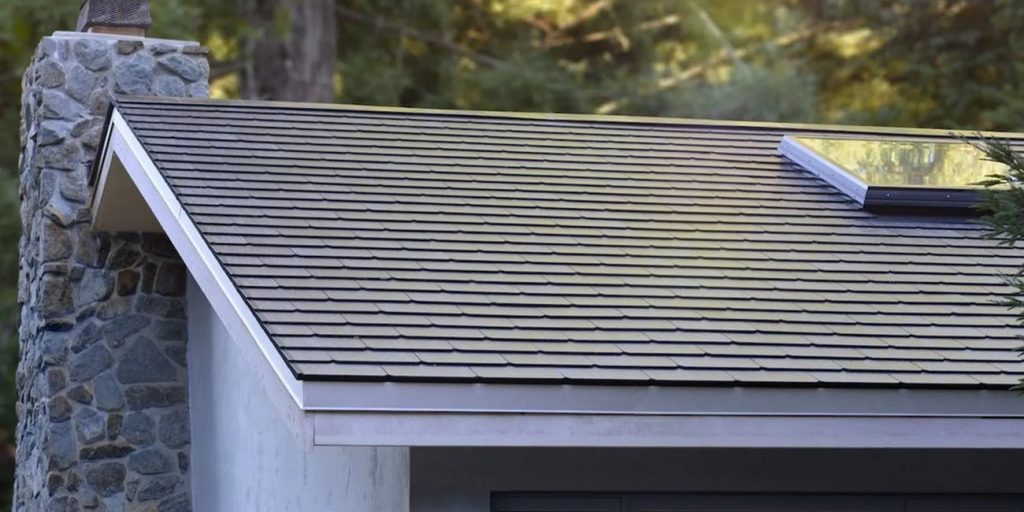
Solar roofing has become an increasingly popular option for homeowners seeking to reduce their carbon footprint and save on energy bills. While the benefits of installing solar shingles or tiles are often highlighted, there are important disadvantages of solar roofing that deserve careful consideration before making such a significant investment. Understanding the potential drawbacks can help you make an informed decision that aligns with your budget, home structure, and long-term goals.
In this article, we’ll explore the main challenges associated with solar roof systems, including upfront costs, maintenance needs, and compatibility issues. We’ll also provide tips for evaluating whether solar roofing is the right fit for your property. If you’re interested in related topics, you might also want to learn about how attic insulation prevents mold growth to further improve your home’s energy efficiency.
High Initial Investment and Payback Period
One of the most significant drawbacks of solar roofing is the substantial upfront cost. Unlike traditional solar panels, solar shingles and tiles are integrated into the roof itself, which often means a complete roof replacement. This integration can drive the price much higher than simply mounting panels onto an existing roof.
- Installation costs for solar roofs can be two to three times higher than standard asphalt shingle roofs.
- Even with tax incentives and rebates, the payback period can extend beyond a decade, especially in areas with lower sunlight exposure.
- Financing options may be limited, and not all homeowners qualify for favorable loan terms.
For many, the long-term savings on electricity bills may not offset the initial expense for several years. It’s essential to calculate your expected return on investment based on your location, energy usage, and available incentives.
Complex Installation and Limited Contractor Availability
Installing solar roofing is a specialized process that requires skilled professionals. Unlike traditional roofing or standard solar panel installations, solar shingles demand expertise in both roofing and electrical work. This complexity can lead to several issues:
- Fewer contractors are qualified to install solar shingles, which can result in longer wait times and higher labor costs.
- Improper installation may void product warranties or lead to roof leaks and electrical hazards.
- Repairs or upgrades often require the original installer, limiting your options if the company goes out of business or is unavailable.
Homeowners should thoroughly vet installers and ensure they are certified for the specific solar roofing product being used.
Efficiency and Performance Limitations
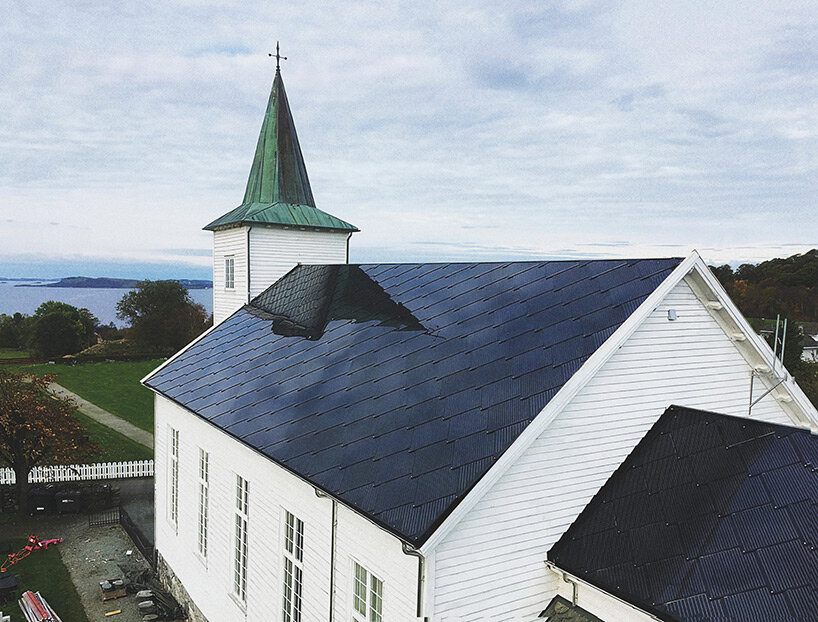
While solar shingles are designed to blend seamlessly with your roof, they generally offer lower energy conversion efficiency compared to traditional solar panels. This means you may need a larger roof area to generate the same amount of electricity.
- Solar shingles typically have an efficiency rate of 14–18%, whereas high-quality panels can exceed 20%.
- Homes with limited roof space or complex roof designs may not be able to install enough shingles to meet their energy needs.
- Shading from trees, chimneys, or nearby buildings can further reduce output.
For those with high energy demands or smaller roofs, traditional panels may be a more practical choice.
Maintenance, Repairs, and Longevity Concerns
Another important aspect to consider is the ongoing maintenance and potential repair challenges. Unlike standard roofing materials, solar shingles are both a roofing and an energy system, which can complicate upkeep.
- Cleaning is essential to maintain performance, but improper cleaning methods can damage the solar cells.
- Individual shingle failures can be difficult to diagnose and replace, often requiring professional service.
- The lifespan of solar roofing may not match that of traditional roofing materials, and degradation over time can reduce energy output.
Using the right tools, such as a dedicated roof cleaning brush, can help maintain your solar roof, but be prepared for higher maintenance costs compared to conventional roofs.

Compatibility and Aesthetic Considerations
Not all homes are suitable for solar roof systems. The structure, pitch, and orientation of your roof can affect both the installation process and the system’s performance.
- Older homes may require structural upgrades to support the added weight of solar shingles.
- Some roofing materials, such as slate or clay tiles, may not be compatible with solar shingle installation.
- While solar roofs are designed to look sleek, color and style options remain limited compared to traditional roofing materials.
Before committing, consult with a qualified installer to assess your roof’s suitability and discuss available design options.
Warranty, Insurance, and Resale Value Issues
Warranties for solar shingles can be complex, often separating coverage for the roofing material and the solar components. This can create confusion if problems arise.
- Some insurance providers may increase premiums or require additional coverage for solar roofing systems.
- Potential buyers may be wary of purchasing a home with a solar roof due to concerns about future repairs or replacement costs.
- Resale value can vary depending on local market acceptance and the perceived benefits versus risks.
It’s important to review warranty terms carefully and consult your insurance provider before installation.
Other Factors to Consider Before Installation
Beyond the main disadvantages of solar roofing, there are additional factors to weigh:
- Local regulations and permitting requirements can add time and expense to the project.
- Removal and disposal can be costly if you decide to replace or upgrade your system in the future.
- Technology is evolving rapidly, so today’s system may become outdated within a decade.
For a deeper dive into the pros and cons of solar shingles, you can visit this comprehensive guide on solar shingles.
Frequently Asked Questions
Are solar shingles as efficient as traditional solar panels?
Solar shingles generally have lower efficiency rates than standard solar panels. While panels can exceed 20% efficiency, most solar shingles range from 14% to 18%. This means you may need more roof space to generate the same amount of electricity as panels.
How long do solar roofing systems last?
The lifespan of solar shingles varies by manufacturer, but most are rated for 20–30 years. However, their energy output can degrade over time, and repairs may be more complicated than with traditional roofs.
Can solar roofing be installed on any type of roof?
Not all roofs are suitable for solar shingle installation. Factors such as roof pitch, orientation, material, and structural integrity all play a role. A professional assessment is recommended to determine compatibility.
Does solar roofing increase home value?
In some markets, solar roofs can boost property value, especially where renewable energy is in high demand. However, concerns about maintenance, repairs, and system age may deter some buyers, potentially affecting resale value.
If you’re considering other ways to improve your home’s energy efficiency, you might also be interested in learning how to inspect roof insulation for damage or exploring attic insulation for pest prevention.