


Homeowners and builders often face a critical decision when it comes to insulating attics, walls, or crawl spaces: choosing between fiberglass and spray foam. Understanding the difference between fiberglass and spray foam insulation is essential for making an informed choice that impacts comfort, energy efficiency, and long-term costs. Each material has unique properties, installation methods, and benefits, which can affect your home’s performance in different ways.
Before diving into the specifics, it’s helpful to understand how insulation works in general. For a deeper look at the science behind attic insulation and its impact on your home, see how does attic insulation work.
Understanding the Key Differences in Insulation Materials
Both fiberglass and spray foam are popular choices for residential and commercial insulation, but they differ in composition, installation, and performance. Let’s explore what sets these two apart.
What Is Fiberglass Insulation?
Fiberglass insulation is made from fine glass fibers and is commonly available in batts, rolls, or loose-fill forms. It’s widely used due to its affordability and ease of installation. The material works by trapping air within its fibers, slowing the transfer of heat and helping to maintain indoor temperatures.
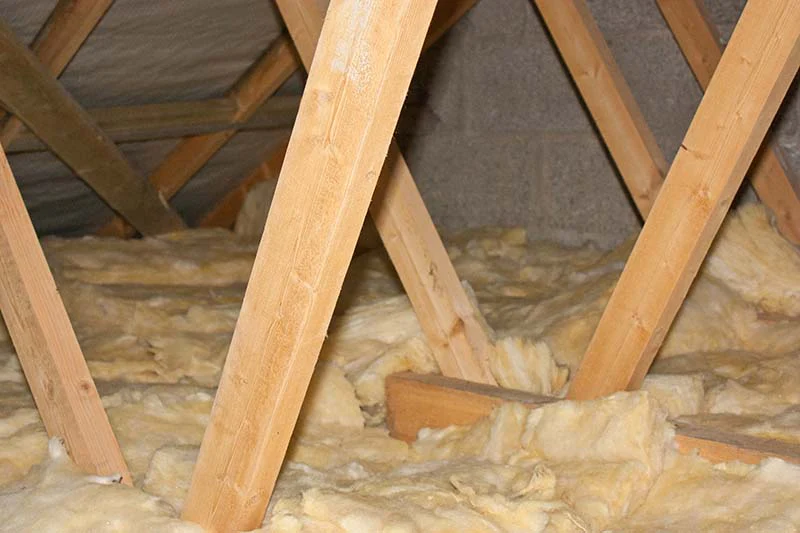
- Material: Spun glass fibers, often with a paper or foil backing.
- Forms: Batts, rolls, and loose-fill (blown-in).
- Installation: Can be DIY-friendly, especially in open attics or wall cavities.
- R-Value: Typically ranges from R-2.9 to R-3.8 per inch, depending on density and form.
- Cost: Generally less expensive than spray foam per square foot.
What Is Spray Foam Insulation?
Spray foam insulation is a chemical product that expands into a rigid foam when applied. It’s sprayed directly onto surfaces, filling gaps and creating an air-tight seal. There are two main types: open-cell and closed-cell, each with different properties and uses.
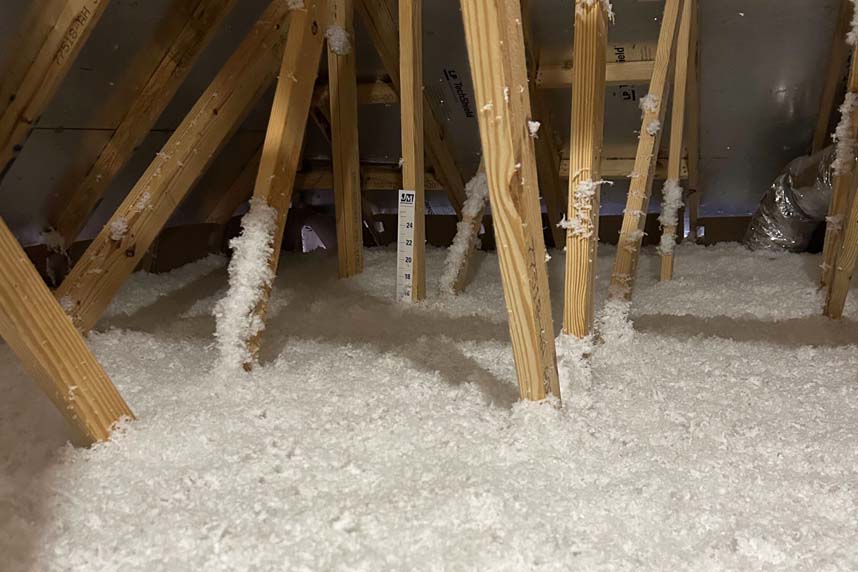
- Material: Polyurethane or similar polymers, mixed and sprayed on-site.
- Types: Open-cell (softer, lower density) and closed-cell (denser, higher R-value).
- Installation: Requires professional equipment and expertise.
- R-Value: Open-cell: about R-3.5 to R-3.6 per inch; Closed-cell: R-6 to R-7 per inch.
- Cost: Higher upfront investment compared to fiberglass.
Comparing Performance: Energy Efficiency and Air Sealing
When evaluating the difference between fiberglass and spray foam insulation, energy performance is a major factor. Spray foam’s ability to expand and seal cracks gives it a distinct advantage in preventing air leaks, which can significantly reduce energy loss. Closed-cell spray foam, in particular, offers a higher R-value per inch, making it ideal for tight spaces or where maximum insulation is needed.
Fiberglass, while effective at slowing heat transfer, does not provide an air seal. Gaps, compression, or improper installation can reduce its effectiveness. However, when installed correctly and combined with proper air sealing, fiberglass can still deliver solid performance for many homes.
For more on how insulation contributes to energy savings, check out how attic insulation saves energy.
Installation Process and Considerations
Fiberglass: Simplicity and Flexibility
One of the main reasons homeowners choose fiberglass is its straightforward installation. Batts and rolls can be cut to fit between studs, joists, or rafters. Loose-fill fiberglass can be blown into attics or wall cavities, making it suitable for retrofits and hard-to-reach areas. Many DIYers appreciate its accessibility, but professional installation ensures optimal coverage and safety.
Spray Foam: Professional Application and Superior Sealing
Spray foam must be applied by trained professionals using specialized equipment. The process involves mixing chemicals on-site and spraying them onto surfaces, where the foam rapidly expands and hardens. This method allows spray foam to fill irregular spaces and seal around pipes, wiring, and framing, providing both insulation and air barrier in one step.
Health, Safety, and Environmental Factors
Both materials have safety considerations. Fiberglass can irritate the skin, eyes, and lungs during installation, so protective gear is recommended. Once installed and covered, it is generally safe. Spray foam, on the other hand, requires careful handling of chemicals during application. Off-gassing can occur during curing, so proper ventilation and professional installation are critical.
From an environmental perspective, fiberglass is often made with recycled glass and is non-combustible. Spray foam’s environmental impact depends on the blowing agents used; some newer formulations are more eco-friendly than older ones.
Cost Comparison and Long-Term Value
Upfront costs for fiberglass are typically lower, making it attractive for budget-conscious projects. Spray foam, while more expensive initially, can offer greater energy savings over time due to its superior air sealing and higher R-value. The payback period depends on climate, home design, and energy prices.
For a broader look at the benefits of attic insulation, including comfort and cost savings, explore additional resources.
Which Insulation Is Right for Your Project?
The best choice depends on your specific needs, budget, and goals. Fiberglass is a tried-and-true solution for many homes, especially where cost is a concern and air sealing can be addressed separately. Spray foam is ideal for maximum energy efficiency, moisture resistance, and air sealing, particularly in new construction or major renovations.
If you’re interested in learning about other options, see types of attic insulation for a simple breakdown of available materials.
FAQ: Common Questions About Fiberglass and Spray Foam
Is spray foam always better than fiberglass?
Not necessarily. While spray foam offers superior air sealing and a higher R-value per inch, fiberglass can be a cost-effective and efficient choice when installed properly. The right option depends on your home’s needs, budget, and whether air leaks are a significant concern.
Can I install fiberglass insulation myself?
Yes, many homeowners choose to install fiberglass batts or rolls themselves, especially in accessible areas like attics. Always follow safety guidelines and manufacturer instructions. For best results and to avoid gaps or compression, professional installation is recommended.
Does spray foam insulation last longer than fiberglass?
Spray foam is highly durable and can last as long as the structure itself if not damaged. Fiberglass also has a long lifespan but can settle or shift over time, potentially reducing its effectiveness. Both options provide long-term performance when installed and maintained correctly.
Which insulation is better for soundproofing?
Both materials can help reduce noise, but spray foam—especially open-cell—tends to offer better sound dampening due to its density and ability to fill gaps. Fiberglass also provides some sound control, particularly in wall cavities.
Summary
Understanding the difference between fiberglass and spray foam insulation helps you make the right decision for your home or building project. Consider factors like energy efficiency, installation method, cost, and long-term performance when choosing between these two popular insulation types. Each has its strengths, and the best choice depends on your unique situation and priorities.


