


In today’s rapidly changing world, the concept of climate-adaptive roof designs is becoming increasingly essential. As homeowners become more conscious of environmental impacts and seek to build sustainable homes, these innovative roofing solutions are gaining popularity. This article explores how these designs are not only beneficial for the environment but also advantageous for homeowners.

The Importance of Climate-Adaptive Roofs
With the ongoing climate change, traditional roofing methods are proving less effective against extreme weather conditions. Climate-adaptive roof designs offer a solution by integrating materials and techniques that respond to environmental changes, improving durability and energy efficiency.
Benefits of Climate-Adaptive Roofing
Climate-adaptive roofs provide numerous benefits, including better insulation, reduced energy consumption, and increased property value. They also help in managing stormwater, reducing urban heat, and enhancing biodiversity.
Types of Climate-Adaptive Roofs
Several types of roofs can be adapted to climate change. Green roofs, cool roofs, and solar roofs are among the most popular choices for eco-friendly homeowners.
Green Roofs
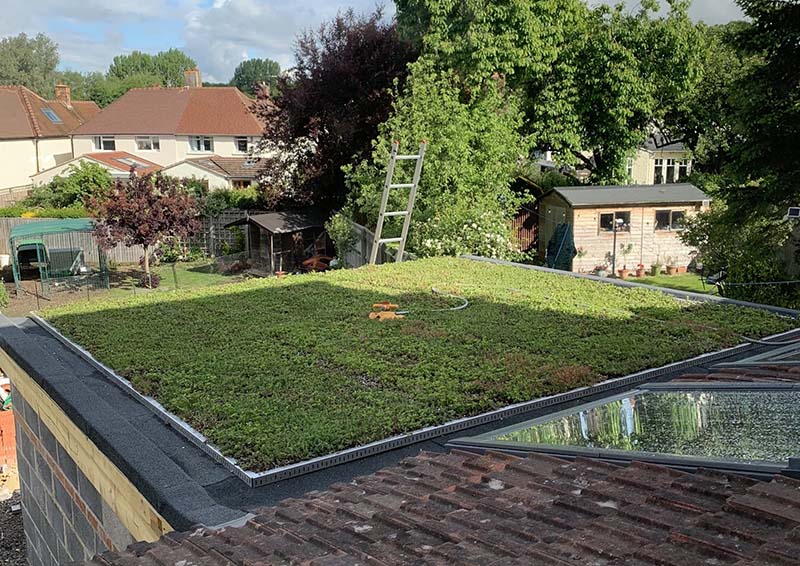
Green roofs are covered with vegetation, providing excellent insulation and reducing heat absorption. They are ideal for urban areas and can support local wildlife. Learn more about green roofs and urban wildlife at urban wildlife.
Cool Roofs
Cool roofs are designed to reflect more sunlight and absorb less heat than a standard roof. They help in maintaining cooler indoor temperatures and reducing air conditioning costs.
Solar Roofs
Solar roofs integrate solar panels into the roofing material, allowing homeowners to generate renewable energy. This not only reduces electricity bills but also contributes to a sustainable future.
Materials Used in Climate-Adaptive Roofing
The choice of materials plays a crucial role in the efficiency of climate-adaptive roof designs. Materials such as reflective coatings, thermal insulation, and sustainable vegetation are commonly used.
Reflective Coatings
Reflective coatings are applied to roofs to increase their ability to reflect sunlight, thereby reducing heat absorption. This is particularly beneficial in hot climates.
Thermal Insulation
Effective thermal insulation helps in maintaining consistent indoor temperatures, which is essential for energy efficiency. It also reduces the strain on heating and cooling systems.
Sustainable Vegetation
Sustainable vegetation on green roofs enhances biodiversity and provides natural insulation. It also helps in managing stormwater and reducing urban heat.
Implementing Climate-Adaptive Roof Designs
When considering climate-adaptive roof designs, it’s important to work with experienced professionals who understand the complexities of sustainable architecture. Proper planning and design are crucial for maximizing the benefits of these roofs.
Professional Consultation
Consulting with roofing experts ensures that the design and implementation of climate-adaptive roofs meet specific environmental and structural needs.
Cost Considerations
While the initial investment for climate-adaptive roofs may be higher, the long-term savings on energy bills and increased property value offer significant financial benefits.
Case Studies of Successful Climate-Adaptive Roofs
Several buildings worldwide have successfully implemented climate-adaptive roofs, showcasing their effectiveness and versatility. Explore impressive examples at impressive green roofs.
Future of Climate-Adaptive Roofing
As technology advances, the future of climate-adaptive roof designs looks promising. Innovations in materials and design techniques are expected to make these solutions more accessible and efficient.
Technological Advancements
Emerging technologies, such as smart roofing systems and advanced insulation materials, are set to revolutionize the industry.
Increased Adoption
With growing awareness of environmental issues, more homeowners are likely to adopt climate-adaptive roofs, contributing to a more sustainable future.
Conclusion
In conclusion, climate-adaptive roof designs offer a viable solution for homeowners seeking to improve energy efficiency, enhance property value, and contribute to environmental sustainability. By embracing these innovative roofing solutions, we can pave the way for a greener, more resilient future.
FAQs
What are climate-adaptive roof designs?
Climate-adaptive roof designs are roofing solutions that incorporate materials and techniques to respond to environmental changes, improving energy efficiency and durability.
How do climate-adaptive roofs benefit homeowners?
They offer better insulation, reduce energy consumption, increase property value, and contribute to environmental sustainability.
Are climate-adaptive roofs expensive?
While the initial cost may be higher, the long-term savings on energy bills and increased property value provide significant financial benefits.
This article contains affiliate links. We may earn a commission at no extra cost to you.


