


Homeowners looking to improve energy efficiency and comfort often consider upgrading their attic insulation. Among the available options, blown-in insulation benefits stand out for their versatility, performance, and value. This method, which involves blowing loose-fill insulation material into attic spaces, adapts well to various home designs and can significantly enhance a property’s thermal envelope.
Whether you’re renovating an older home or building new, understanding the advantages of this insulation type can help you make informed decisions. For those with historic or drafty houses, exploring attic insulation for old homes may also provide additional insights into choosing the right solution.
Understanding Blown-In Insulation and Its Advantages
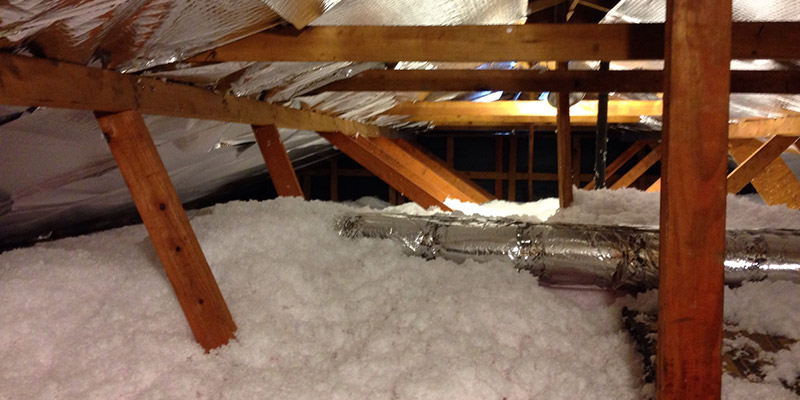
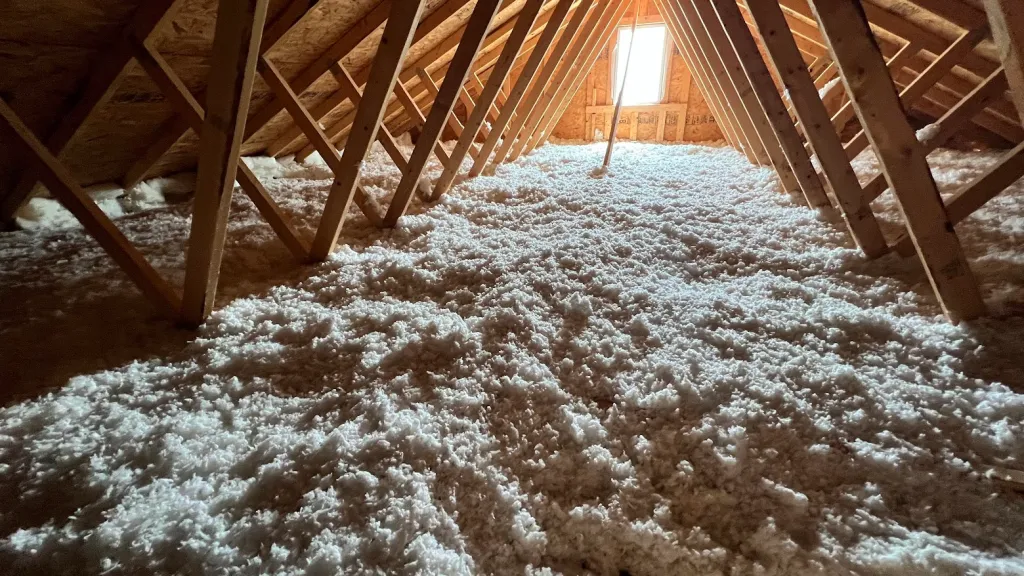
Blown-in insulation, sometimes called loose-fill insulation, typically uses materials such as fiberglass, cellulose, or mineral wool. These materials are mechanically blown into attic cavities, filling gaps and covering irregular surfaces. The process creates a seamless layer that helps reduce air leaks and thermal bridging.
One of the key advantages of blown-in attic insulation is its ability to conform to hard-to-reach areas, making it particularly effective in older homes with uneven joists or obstructions. This adaptability ensures a more complete coverage compared to batt or roll insulation.
Energy Efficiency and Lower Utility Bills
A primary reason homeowners invest in this type of insulation is to improve energy efficiency. By reducing heat transfer between your living space and the attic, blown-in materials help maintain a consistent indoor temperature year-round. This means your heating and cooling systems work less, resulting in lower energy consumption and utility bills.
Studies show that proper attic insulation can cut heating and cooling costs by up to 20%. The dense, even layer created by blown-in products minimizes gaps, which are common sources of energy loss in other insulation types. For those interested in maximizing efficiency, it’s also important to address air leaks. Our guide on how to seal attic air leaks offers practical steps to further enhance your attic’s performance.
Quick Installation and Minimal Disruption
Another significant benefit of blown-in insulation is the speed and ease of installation. Professional installers can typically complete the job in just a few hours, depending on attic size and accessibility. The process requires minimal cutting or fitting, which reduces mess and disruption to your home.
Since the insulation is blown into place, it can be added over existing insulation layers, making it an excellent choice for upgrades. This flexibility allows homeowners to boost their attic’s R-value without the need for a full removal of old materials.
Enhanced Comfort and Indoor Air Quality
Proper attic insulation does more than just save energy—it also improves overall comfort. By reducing drafts and cold spots, blown-in materials help maintain even temperatures throughout your home. This is especially noticeable in rooms located directly below the attic, which are often prone to temperature fluctuations.
Additionally, blown-in insulation can help reduce the infiltration of outdoor pollutants, dust, and allergens. The dense layer acts as a barrier, limiting the movement of airborne particles into your living spaces. For those concerned about moisture and ventilation, understanding the attic insulation and ventilation relationship is crucial for maintaining a healthy indoor environment.
Noise Reduction and Fire Resistance
Many homeowners are surprised to learn that blown-in insulation also provides acoustic benefits. The loose-fill material absorbs sound, helping to dampen noise from outside or between floors. This can be especially valuable in urban areas or homes with busy streets nearby.
Certain types of blown-in insulation, such as cellulose, are treated with fire-retardant chemicals, offering an added layer of protection. This can slow the spread of flames in the event of a fire, giving occupants more time to react and potentially reducing property damage.
Eco-Friendly and Sustainable Options
For those interested in sustainability, blown-in insulation offers several environmentally friendly choices. Cellulose, for example, is made from recycled paper products and requires less energy to produce than many other insulation types. Fiberglass options are also available with high recycled content.
The ability to add blown-in insulation over existing materials means less waste is sent to landfills. This approach not only conserves resources but also extends the life of your current insulation investment.
Long-Term Value and Home Protection
Investing in proper attic insulation can increase your home’s resale value. Prospective buyers often look for energy-efficient features, and a well-insulated attic is a strong selling point. Additionally, by reducing moisture buildup and temperature extremes, blown-in insulation can help protect your roof structure and extend its lifespan. For more on this topic, see our article on how roof insulation affects roof lifespan.
Regularly checking and maintaining your attic insulation ensures you continue to enjoy these benefits for years to come. If you’re considering adding more material, our step-by-step guide on how to add insulation to an attic can help you get started.
Frequently Asked Questions
How does blown-in insulation compare to batt insulation?
Blown-in insulation offers superior coverage, especially in attics with irregular shapes, obstructions, or hard-to-reach areas. Unlike batt insulation, which comes in pre-cut panels, blown-in material fills gaps and voids more effectively, reducing air leaks and improving thermal performance.
Can I install blown-in insulation myself?
While some homeowners choose to rent equipment and tackle the job themselves, professional installation is generally recommended. Trained installers ensure even distribution, proper depth, and compliance with local building codes, maximizing the blown-in insulation benefits for your home.
Is blown-in insulation suitable for all attic types?
Yes, this method is highly adaptable and works well in most attic spaces, including those with irregular joist spacing or existing insulation. However, it’s important to assess your attic’s ventilation and address any moisture issues before installation to ensure optimal results.
How long does blown-in insulation last?
When properly installed and maintained, blown-in insulation can last for decades. Fiberglass and mineral wool options are especially durable, while cellulose may settle slightly over time but still provides effective thermal protection.


