


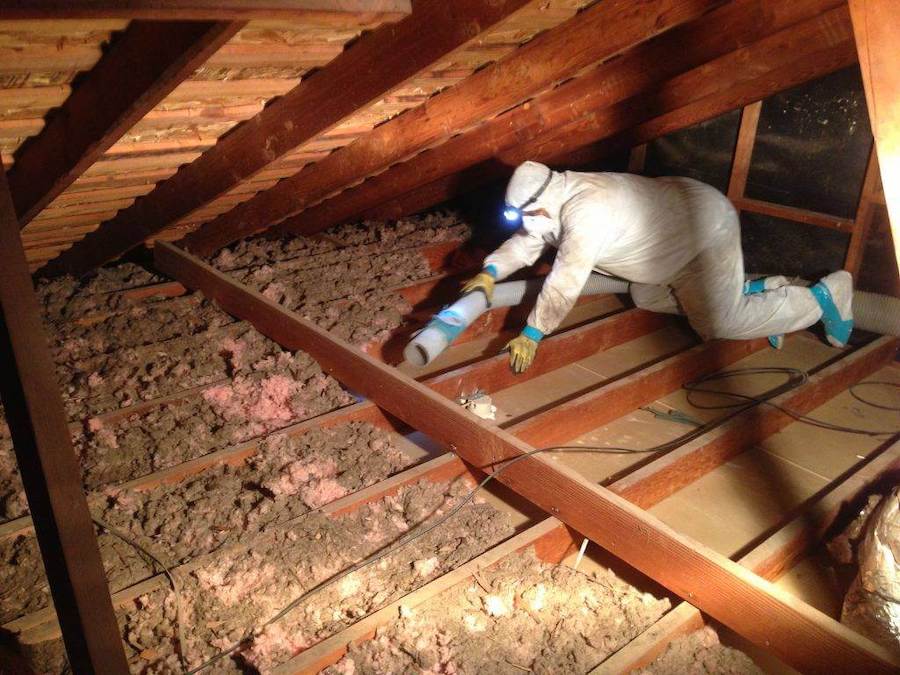
Keeping your home comfortable year-round and reducing energy costs are top priorities for most homeowners. One of the most effective ways to achieve both is by improving the thermal barrier above your living spaces. Properly installed insulation in the uppermost part of your house can have a significant impact on your utility bills, indoor comfort, and even the longevity of your roof structure. In this guide, we’ll explore the benefits of roof insulation, how it contributes to energy efficiency, and why it’s a smart investment for any property owner.
Beyond immediate savings, enhancing the insulation above your ceiling can help prevent common problems such as moisture buildup, temperature fluctuations, and unnecessary strain on your HVAC system. If you’re considering upgrades or want to ensure your home is performing at its best, understanding the advantages of effective insulation is essential. For those looking to keep their attic insulation in top shape throughout the year, check out these attic insulation seasonal maintenance tips.
How Roof Insulation Contributes to Energy Efficiency
One of the primary benefits of roof insulation is its ability to reduce heat transfer between your home and the outside environment. In the summer, insulation helps keep hot air out, while in the winter, it prevents warm air from escaping. This thermal barrier means your heating and cooling systems don’t have to work as hard, leading to lower energy consumption and reduced utility bills.
The effectiveness of insulation is measured by its R-value, which indicates its resistance to heat flow. The higher the R-value, the better the material is at insulating. By choosing the right type and thickness of insulation for your region, you can maximize energy savings and maintain a more consistent indoor temperature.
Lower Utility Bills and Long-Term Savings
Investing in quality insulation above your ceiling can lead to substantial financial benefits over time. By limiting the amount of heat that enters or escapes your home, you’ll notice a decrease in your monthly energy expenses. According to the U.S. Department of Energy, homeowners can save up to 15% on heating and cooling costs by adding insulation in attics, floors, and crawl spaces.
These savings accumulate year after year, making insulation upgrades one of the most cost-effective home improvements. Additionally, well-insulated homes often experience less wear and tear on HVAC systems, which can reduce maintenance costs and extend the lifespan of your equipment.
Enhanced Comfort and Indoor Air Quality
A well-insulated roof doesn’t just save money—it also makes your home more comfortable. By minimizing temperature swings and drafts, insulation creates a more stable and pleasant indoor environment. You’ll experience fewer cold spots in winter and less overheating in summer, making every room in your house more enjoyable.
Insulation also plays a role in improving indoor air quality. By sealing gaps and reducing air leaks, it helps keep out dust, pollen, and other outdoor pollutants. This is especially important for households with allergies or respiratory sensitivities.
Protection Against Moisture and Structural Damage
Another important advantage of roof insulation is its ability to help manage moisture. Without a proper thermal barrier, warm, moist air from inside your home can rise and condense on cooler surfaces in the attic or roof deck. Over time, this can lead to mold growth, wood rot, and even structural damage.
By maintaining a consistent temperature and reducing condensation, insulation helps protect your home’s structure and preserves the integrity of your roofing materials. For tips on identifying and addressing common issues, see this guide to attic insulation common problems.
Environmental Impact and Sustainability
Reducing your home’s energy use doesn’t just benefit your wallet—it also helps the environment. By improving the insulation above your living spaces, you decrease the demand for heating and cooling, which in turn lowers greenhouse gas emissions. Many modern insulation materials are made from recycled or sustainable resources, further minimizing your ecological footprint.
Making your home more energy efficient is a practical step toward sustainability. Not only do you conserve resources, but you also contribute to a healthier planet for future generations.
Increased Property Value and Market Appeal
Homebuyers are increasingly interested in properties that offer energy efficiency and lower operating costs. Upgrading your insulation can make your home more attractive to potential buyers and may even increase its resale value. Energy-efficient features are often highlighted in real estate listings and can set your property apart in a competitive market.
In addition to financial benefits, a well-insulated home signals that the property has been well cared for and maintained. If you’re planning to sell in the future, investing in insulation improvements can be a smart move.
Signs Your Roof Insulation Needs Attention
Even the best insulation can degrade over time or become less effective due to moisture, pests, or improper installation. Common signs that your insulation may need upgrading or replacement include uneven temperatures, high energy bills, or visible damage in the attic. For a step-by-step approach, learn how to inspect attic insulation and recognize when it’s time for an upgrade.
Addressing these issues promptly can help you continue enjoying all the advantages of a well-insulated home.
Maintaining and Upgrading Your Insulation
To maximize the benefits of roof insulation, regular maintenance and timely upgrades are essential. Inspect your attic periodically for signs of damage, moisture, or settling. If you notice any problems, consult a professional to determine the best course of action. For guidance on keeping your insulation performing at its best, see these tips on how to maintain attic insulation.
Upgrading to higher R-value materials or addressing gaps and air leaks can further enhance your home’s energy efficiency and comfort.
Frequently Asked Questions
How much can I save on energy bills with roof insulation?
The amount you save depends on factors such as your home’s size, climate, and the current state of your insulation. On average, homeowners can expect to save up to 15% on heating and cooling costs by improving attic and roof insulation.
What type of insulation is best for attics?
The best insulation type depends on your climate, attic structure, and budget. Common options include fiberglass batts, blown-in cellulose, and spray foam. Each has its own advantages in terms of cost, installation, and R-value.
How do I know if my insulation needs to be replaced?
Signs that you may need new insulation include uneven temperatures, increased energy bills, visible mold or moisture, and pest infestations. For more details, review the attic insulation replacement signs to watch for.


