


Homeowners often look for practical ways to improve comfort and reduce energy costs. One of the most effective solutions is upgrading attic insulation. Properly insulating your attic can have a significant impact on your home’s temperature stability, energy efficiency, and even long-term maintenance. In this guide, we’ll explore the benefits of attic insulation, how it contributes to a more comfortable living environment, and why it’s a smart investment for any property.
Whether you’re considering a renovation or simply want to lower your utility bills, understanding how attic insulation works and its advantages can help you make informed decisions. Let’s take a closer look at the reasons why this upgrade is recommended by energy experts and building professionals alike.

For those interested in learning more about home energy improvements, you can find additional resources on energy efficiency and insulation best practices from trusted industry organizations.
How Attic Insulation Improves Home Energy Efficiency
One of the primary benefits of attic insulation is its ability to reduce heat transfer between your living space and the outdoors. In both hot and cold climates, the attic is a major point of energy loss. Without sufficient insulation, warm air escapes in winter and enters in summer, forcing your heating and cooling systems to work harder.
By installing or upgrading insulation in the attic, you create a barrier that slows down the movement of heat. This means your HVAC system can maintain a consistent indoor temperature with less effort, leading to lower energy consumption and reduced utility bills throughout the year.
- Lower heating and cooling costs: Insulation helps keep conditioned air inside, reducing the need for constant temperature adjustments.
- Reduced energy waste: A well-insulated attic prevents unnecessary loss of energy, making your home more environmentally friendly.
- Improved HVAC performance: With less strain on your system, you may also extend the life of your heating and cooling equipment.

Enhancing Indoor Comfort with Proper Insulation
Beyond energy savings, another key advantage of attic insulation is the improvement in overall comfort. Homes with inadequate insulation often experience uneven temperatures, drafts, and cold spots, especially in upper floors or rooms near the attic.
Adding insulation helps regulate indoor temperatures, making it easier to maintain a comfortable environment year-round. This is particularly noticeable during extreme weather, when insulation acts as a buffer against outdoor temperature swings.
- Consistent room temperatures: Insulation minimizes hot and cold spots, so every room feels more comfortable.
- Reduced drafts: Sealing gaps and adding insulation decreases air leaks, eliminating chilly breezes and improving air quality.
- Quieter living spaces: Insulation can also dampen noise from outside, creating a more peaceful home.
Protecting Your Home’s Structure and Value
The benefits of attic insulation go beyond comfort and savings. Proper insulation also helps protect your home’s structure and can even contribute to its resale value. Moisture control is a critical aspect—insulation acts as a barrier that helps prevent condensation, which can lead to mold, mildew, and wood rot in the attic and roof framing.
By keeping your attic dry and temperature-stable, you reduce the risk of costly repairs and prolong the lifespan of your roof and supporting structures. Additionally, many homebuyers look for energy-efficient features, making a well-insulated attic a valuable selling point.
- Prevents moisture damage: Insulation helps control humidity and reduces the risk of mold growth.
- Extends roof life: Stable attic temperatures protect roofing materials from premature wear.
- Boosts resale value: Energy-efficient upgrades are attractive to buyers and can increase your home’s market appeal.
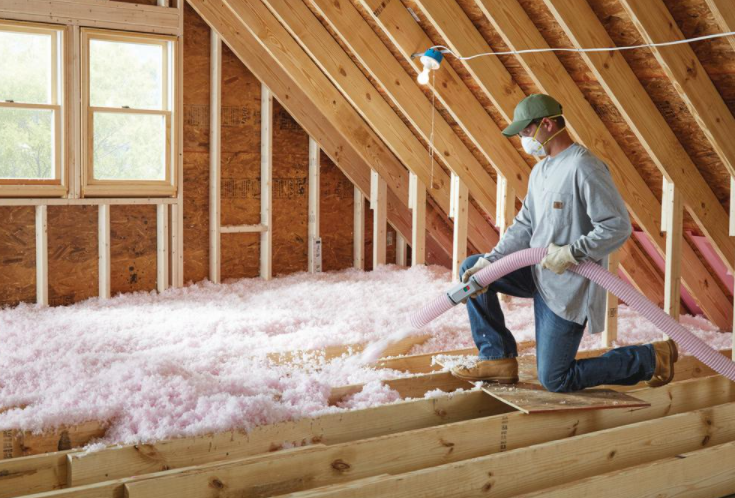
Types of Attic Insulation and Choosing the Right Option
There are several types of insulation materials commonly used in attics, each with its own strengths. The best choice depends on your climate, budget, and the current condition of your attic. Here are the most popular options:
- Fiberglass batts: These are pre-cut panels that fit between attic joists. They are affordable and easy to install but require precise placement to avoid gaps.
- Blown-in cellulose: Made from recycled paper, this loose-fill insulation is blown into place, filling gaps and covering irregular spaces effectively.
- Spray foam: This high-performance option expands to seal cracks and crevices, providing both insulation and air sealing in one step.
When selecting insulation, consider factors such as R-value (a measure of thermal resistance), moisture resistance, and installation requirements. Consulting with a professional can help ensure you choose the right material and achieve optimal results.
Long-Term Savings and Environmental Impact
Investing in attic insulation offers long-term financial and environmental rewards. The initial cost of installation is often offset by the ongoing reduction in energy bills. In many cases, homeowners see a return on investment within a few years.
Additionally, by reducing your home’s energy consumption, you lower its carbon footprint. This not only benefits your household budget but also contributes to broader efforts to conserve resources and protect the environment.
- Lower utility expenses: Consistent savings month after month add up over time.
- Reduced environmental impact: Using less energy means fewer greenhouse gas emissions.
- Potential rebates and incentives: Some regions offer financial incentives for upgrading insulation, further increasing savings.
Frequently Asked Questions
How do I know if my attic needs more insulation?
Signs that your attic may need additional insulation include noticeable temperature fluctuations between floors, high energy bills, visible gaps or thin insulation layers, and frequent drafts. A professional energy audit can provide a detailed assessment.
Can attic insulation help with noise reduction?
Yes, insulation acts as a sound barrier, reducing the transmission of outdoor noise into your home and minimizing sound between rooms. This can make your living spaces quieter and more comfortable.
Is it possible to install attic insulation myself?
Many homeowners choose to install fiberglass batts or blown-in insulation themselves, especially in accessible attics. However, for spray foam or complex projects, hiring a professional ensures proper coverage and safety.
Upgrading your attic insulation is a practical step toward a more energy-efficient, comfortable, and valuable home. By understanding the various advantages and selecting the right materials, you can enjoy lasting benefits for years to come.


