When it comes to improving your home’s energy efficiency and comfort, understanding the distinction between attic insulation vs roof insulation is essential. Homeowners often use these terms interchangeably, but they refer to different parts of your home’s thermal envelope and serve unique purposes. Making the right choice can impact everything from indoor temperature stability to long-term energy savings and even the lifespan of your roofing system.
This guide explores the main differences between insulating your attic and insulating your roof, including how each method works, their benefits, and which option might be best for your specific needs. Along the way, you’ll find practical advice and insights to help you make informed decisions about your home’s insulation strategy.
For those interested in how insulation can help with moisture management, roof insulation and moisture control is a valuable resource that explains the relationship between insulation and humidity in your home.
Understanding the Basics: Attic and Roof Insulation Explained
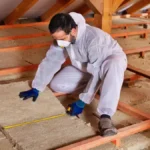
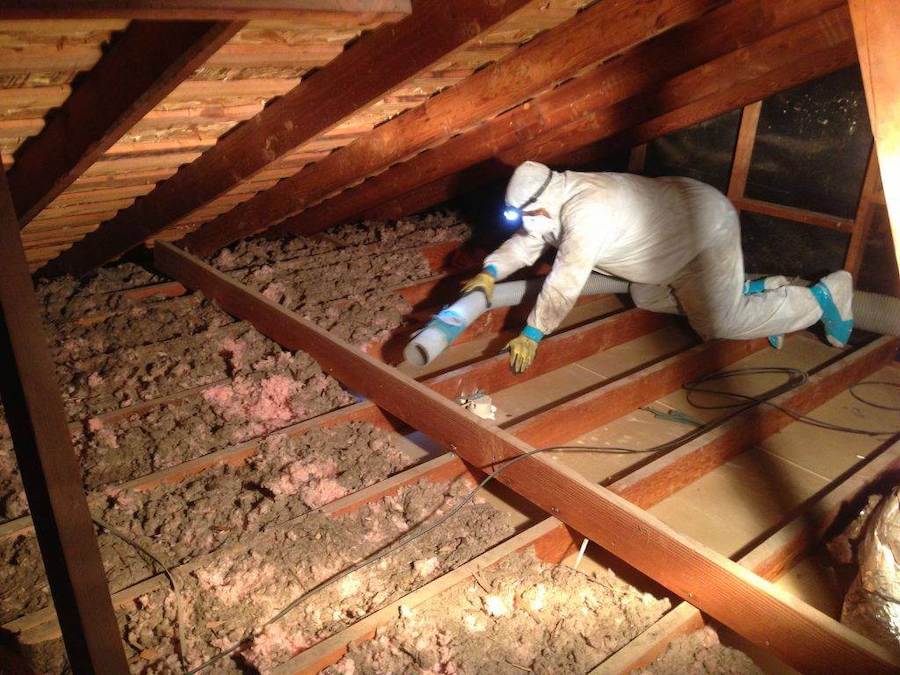
Before diving into the specifics, it’s important to clarify what each type of insulation involves. Attic insulation typically refers to materials installed on the floor of your attic, creating a thermal barrier between your living space and the unconditioned attic above. This method is common in homes where the attic is not used as a living area.
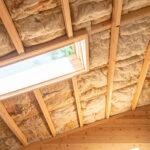
In contrast, roof insulation is applied directly beneath the roof deck or between the rafters. This approach is often used when the attic is finished or intended for storage, or in homes with cathedral ceilings. By insulating the roof structure itself, you create a conditioned space throughout the attic.
Key Differences Between Attic and Roof Insulation
The main differences between these two insulation strategies come down to their location, function, and impact on your home’s performance. Let’s break down the most significant distinctions.
Location and Application
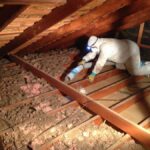
Attic insulation is installed on the attic floor, typically using materials like fiberglass batts, blown-in cellulose, or spray foam. The goal is to keep the living areas below comfortable by reducing heat transfer through the ceiling.
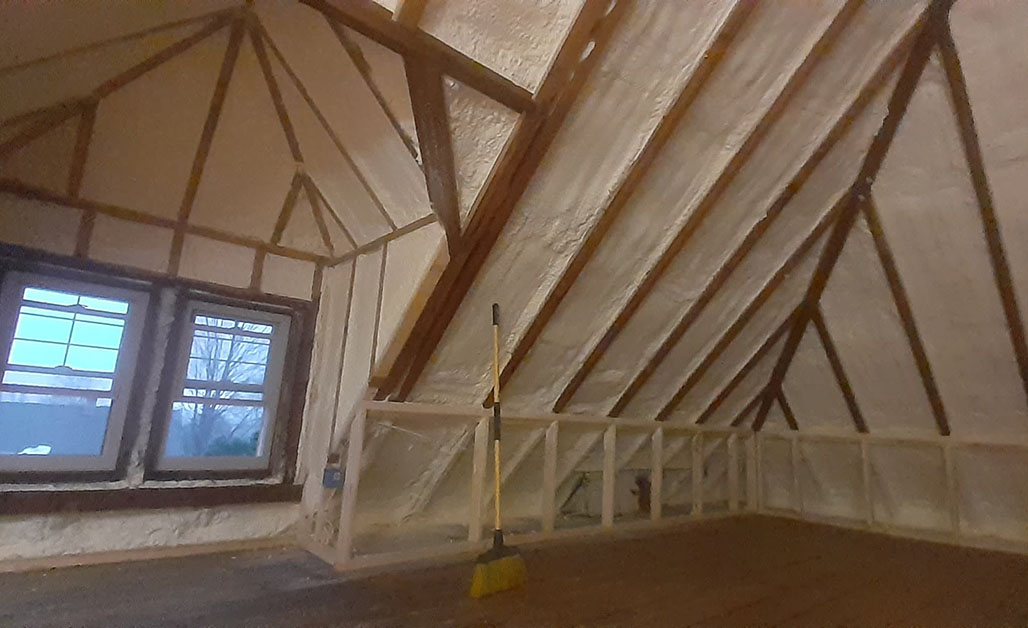
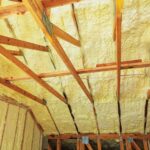
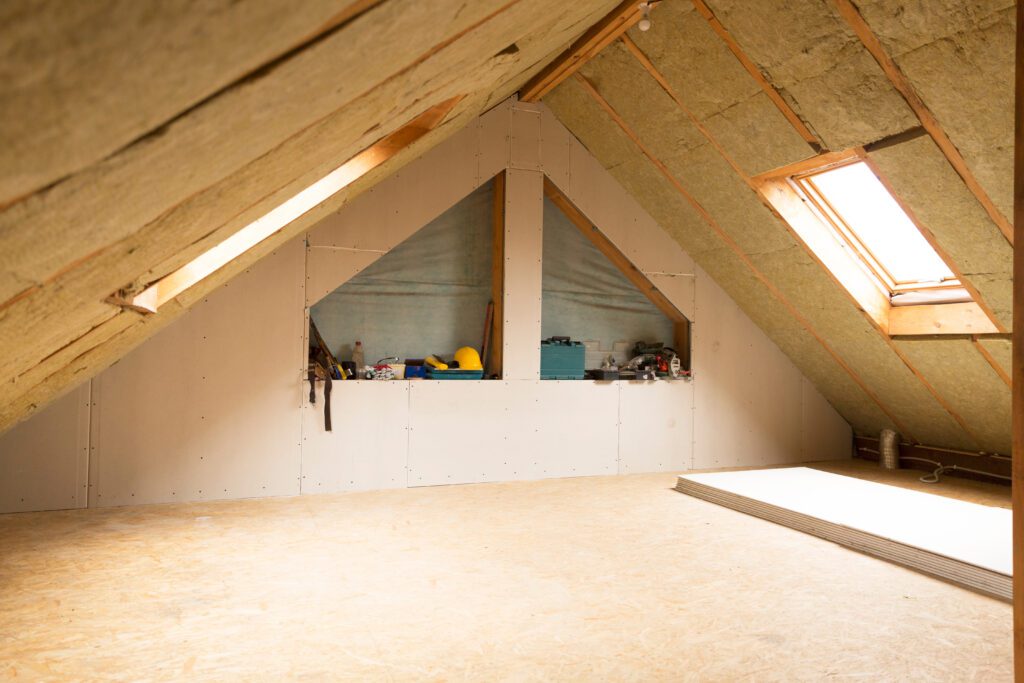
Roof insulation, on the other hand, is placed along the roof’s underside. This can involve rigid foam boards, spray foam, or other materials fitted between or over the rafters. The result is an insulated attic space that is closer in temperature to the rest of the home.
Thermal Performance and Energy Efficiency
Both methods aim to reduce heat loss in winter and heat gain in summer, but their effectiveness depends on your home’s design and how you use your attic space. Insulating the attic floor is generally more cost-effective for homes with unconditioned attics, as it limits the area that needs to be kept warm or cool.
Insulating the roof deck is ideal for homes with HVAC equipment or ductwork in the attic, or when the attic is used as a living space. By creating a conditioned attic, you can prevent extreme temperature swings and reduce the risk of condensation and moisture problems. For more on this topic, see our guide to roof insulation for better home energy efficiency.
Impact on Ventilation and Moisture Control
Proper ventilation is crucial for both types of insulation, but the requirements differ. With attic floor insulation, the attic itself remains ventilated and unconditioned, which helps prevent moisture buildup and ice dams in cold climates. Roof insulation, especially when combined with air sealing, can reduce the need for traditional attic ventilation, but it must be installed correctly to avoid trapping moisture.
If you’re concerned about condensation, it’s worth reading about roof insulation and condensation prevention to understand best practices for your climate and home design.
Choosing the Right Insulation for Your Home
Deciding between attic and roof insulation depends on several factors, including your climate, attic usage, and budget. Here are some considerations to help guide your decision:
- Climate: In colder regions, attic floor insulation is often sufficient for unconditioned attics. In hot climates, insulating the roof deck can help keep the entire home cooler. For tailored advice, check out our resources on roof insulation for hot climates and roof insulation for cold climates.
- Attic Use: If your attic is finished or houses HVAC systems, insulating the roof is usually the better option. For storage or unused attics, attic floor insulation is typically more practical.
- Budget: Attic floor insulation is generally less expensive to install. Roof insulation may require more materials and labor but can offer greater benefits in certain situations.
- Existing Issues: Consider any current problems with moisture, drafts, or uneven temperatures. Addressing air leaks and ensuring proper ventilation are essential steps regardless of the insulation method you choose.
Pros and Cons of Each Insulation Method
| Aspect | Attic Floor Insulation | Roof Deck Insulation |
|---|---|---|
| Cost | Lower initial investment | Higher upfront cost |
| Energy Efficiency | Excellent for unconditioned attics | Best for conditioned attics or HVAC in attic |
| Installation Complexity | Simple, less labor-intensive | More complex, may require professional help |
| Moisture Control | Relies on attic ventilation | Requires careful air sealing |
| Space Usage | Attic remains unconditioned | Attic can be used as living/storage space |
Common Materials Used in Attic and Roof Insulation
The choice of insulation material can affect performance, cost, and installation method. Here are some of the most common options:
- Fiberglass batts: Popular for attic floors and between rafters, offering good R-value and affordability.
- Blown-in cellulose: Effective for covering irregular spaces in attic floors, made from recycled materials.
- Spray foam: Used for both attic floors and roof decks, provides air sealing and high insulation value.
- Rigid foam boards: Commonly used under roof decks, especially in new construction or major renovations.
FAQs About Attic and Roof Insulation
Which is more effective for lowering energy bills: attic or roof insulation?
The answer depends on your home’s design and how you use your attic. For most homes with unconditioned attics, insulating the attic floor is more cost-effective and delivers significant energy savings. If your attic is part of your living space or contains HVAC equipment, insulating the roof deck can prevent energy loss and improve comfort.
Can I combine attic and roof insulation for better results?
In some cases, combining both methods can be beneficial, especially in homes with complex roof structures or specific climate challenges. However, it’s important to avoid trapping moisture between layers. Consulting with a professional can help determine the best approach for your situation.
How do I know if my attic or roof insulation needs upgrading?
Signs that your insulation may need attention include uneven indoor temperatures, high energy bills, drafts, or visible gaps in the insulation. An energy audit or inspection can help identify areas for improvement and recommend the right solution for your home.