


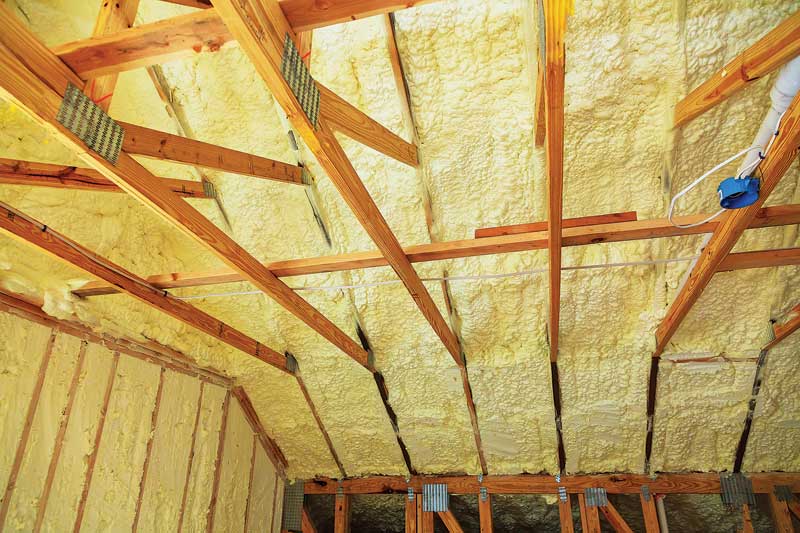
Many homeowners overlook the importance of maintaining attic insulation, yet it plays a crucial role in keeping your home comfortable and energy efficient. Over time, insulation can degrade, become less effective, or even harbor issues that impact your living space. Recognizing the attic insulation replacement signs early can save you money, improve indoor air quality, and help maintain your property’s value.
If you’re unsure whether your attic needs attention, understanding the most common indicators of failing insulation is the first step. Addressing these issues promptly can prevent further problems and ensure your home remains a safe, efficient environment. For those interested in how insulation upgrades can impact property value, you may want to read more about how attic insulation improves home value.
Common Warning Signs Your Attic Insulation Needs Attention
Not all insulation problems are obvious. Some develop gradually, making them easy to miss until they start affecting your comfort or utility bills. Here are some of the most frequent red flags that suggest your attic insulation may be due for replacement:
- Fluctuating indoor temperatures: If certain rooms feel much hotter or colder than others, or if your HVAC system seems to run constantly, poor insulation could be to blame.
- Increasing energy bills: A sudden or steady rise in heating and cooling costs often points to insulation that’s no longer doing its job.
- Drafts or cold spots: Noticeable drafts or areas that never seem to warm up can indicate gaps or compressed insulation in the attic.
- Visible damage: Wet, moldy, or pest-infested insulation is a clear sign it’s time for a replacement.
- Ice dams on the roof: In colder climates, ice dams forming along the roof edge often result from heat escaping through insufficient attic insulation.

Physical and Visual Clues of Insulation Deterioration
Sometimes, the most telling attic insulation replacement signs are visible during a quick inspection. If you feel comfortable and it’s safe to access your attic, look for these specific issues:
- Compressed or uneven insulation: Over time, insulation can settle or become displaced, reducing its effectiveness.
- Moisture or water stains: Wet insulation loses its insulating properties and can promote mold growth, which is hazardous to your health.
- Rodent or insect activity: Droppings, nests, or chewed materials are signs that pests have compromised your insulation.
- Discoloration or foul odors: Yellowing, dark spots, or musty smells can indicate mold or mildew within the insulation layers.
If you notice any of these problems, it’s wise to consult a professional to assess the extent of the damage and recommend the best course of action. For those with newer properties, understanding the unique needs of modern construction is important. Learn more about attic insulation for new homes to see if your property meets current standards.
Performance-Related Symptoms of Failing Attic Insulation
Beyond what you can see, there are performance-related symptoms that point to the need for an upgrade. These are often felt throughout the home and can affect your comfort and budget:
- Frequent HVAC cycling: If your heating or cooling system turns on and off more than usual, it may be compensating for heat loss or gain through the attic.
- Unusual humidity levels: Poor insulation can lead to excess moisture indoors, causing condensation on windows or walls.
- Persistent allergy symptoms: Old or contaminated insulation can harbor dust, mold, and allergens, worsening indoor air quality.
- Noise transmission: If outside noises seem louder than before, your insulation may no longer provide adequate sound dampening.
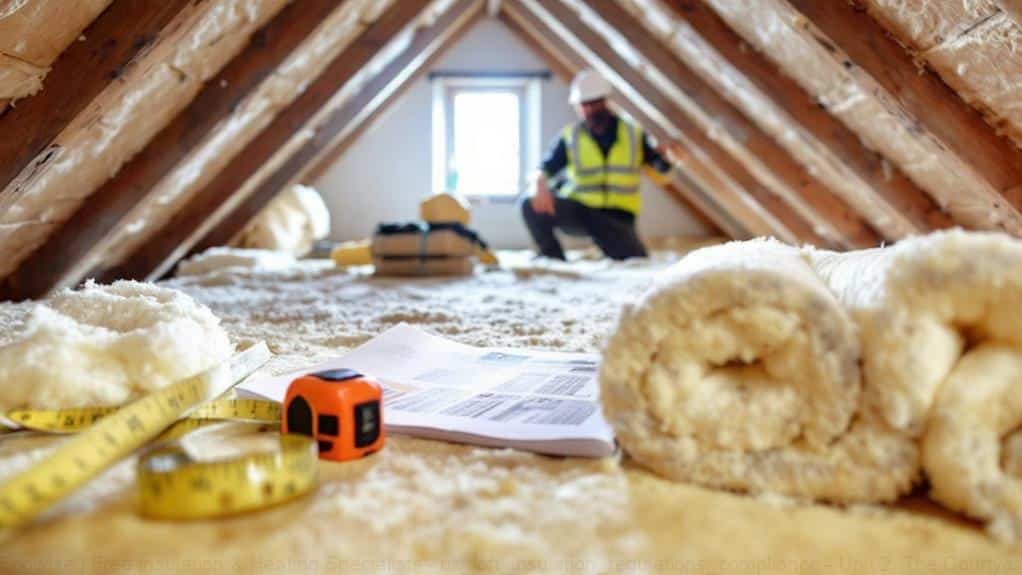
How Age and Material Impact Insulation Effectiveness
The type and age of your attic insulation play a significant role in its performance. Most insulation materials have a lifespan of 15–30 years, but factors like moisture, pests, and improper installation can shorten that time frame. If your home is older or you’re unsure when the insulation was last updated, it’s wise to check for the following:
- Outdated materials: Older homes may use materials that are less efficient or even hazardous, such as vermiculite or urea-formaldehyde foam.
- Insufficient thickness: Building codes and recommended R-values have changed over time. Your attic may not have enough insulation to meet current standards.
- Degraded fibers: Fiberglass and cellulose can break down, clump, or lose their loft, reducing their insulating properties.
If you’re considering an upgrade, it’s helpful to understand your options. For example, spray foam and blown-in insulation offer different benefits and installation processes. You can read about the blown-in insulation benefits or see how spray foam insulation works to make an informed choice.
What to Do If You Notice Attic Insulation Issues
Once you’ve identified possible attic insulation replacement signs, it’s important to act quickly. Here are the recommended steps:
- Schedule a professional inspection: A qualified contractor can assess the condition of your insulation and attic structure.
- Address underlying problems: Before replacing insulation, fix any roof leaks, ventilation issues, or pest infestations.
- Choose the right material: Consider your climate, budget, and home design when selecting new insulation. For more information on material performance, see how fiberglass insulation works.
- Ensure proper installation: Professional installation helps maximize energy savings and ensures your investment lasts.
Taking these steps can restore your home’s comfort, reduce energy costs, and protect your property from future damage.
FAQ: Attic Insulation Replacement and Maintenance
How often should attic insulation be replaced?
Most insulation materials last between 15 and 30 years, but this can vary based on material type, climate, and exposure to moisture or pests. Regular inspections every few years help catch problems early and determine when replacement is necessary.
Can I add new insulation over old insulation?
In many cases, it’s possible to add new insulation on top of existing layers if the old material is dry, clean, and free of mold or pests. However, if the current insulation is damaged or contaminated, it’s best to remove it before installing new material.
What are the health risks of ignoring damaged attic insulation?
Neglected insulation can harbor mold, mildew, dust, and allergens, which may worsen respiratory conditions or allergies. In severe cases, it can also attract pests that further damage your home’s structure and indoor air quality.
Does replacing attic insulation really lower energy bills?
Yes, upgrading insulation can significantly reduce heating and cooling costs by improving your home’s energy efficiency. Properly installed and maintained insulation helps maintain consistent indoor temperatures and reduces the workload on your HVAC system.


