Understanding how insulation works in your attic is essential for maintaining a comfortable home and reducing energy costs. The attic insulation R-value guide is a valuable resource for homeowners looking to improve energy efficiency, prevent heat loss, and make informed decisions about insulation materials. This article explains what R-value means, why it matters, and how to choose the right level for your climate and home type.
Whether you’re renovating, building, or simply upgrading your attic, knowing the basics of insulation performance can help you avoid common pitfalls and maximize your investment. Let’s explore the key concepts, recommended R-values, material options, and practical steps for achieving optimal results.
For a broader understanding of how insulation impacts your entire roofing system, you may also want to review our guide on roof insulation and moisture control.
What Is R-Value and Why Does It Matter?
The term R-value measures an insulation material’s resistance to heat flow. The higher the R-value, the better the material insulates. In practical terms, a higher R-value means less heat escapes during winter and less heat enters during summer, helping to keep your home comfortable year-round.
R-value is especially important in attics because heat naturally rises. Without adequate insulation, energy loss through the roof can account for a significant portion of your heating and cooling bills. By following a comprehensive attic insulation R-value guide, you can ensure your attic meets or exceeds recommended standards for your region.
Recommended R-Values for Different Climates
The ideal R-value for attic insulation depends on your local climate zone. In colder areas, higher R-values are necessary to prevent heat loss, while milder climates may require less. The U.S. Department of Energy provides general recommendations:
- Cold climates (Northern U.S.): R-49 to R-60
- Mixed climates (Central U.S.): R-38 to R-49
- Warm climates (Southern U.S.): R-30 to R-49
Always check local building codes and energy efficiency programs, as requirements can vary by region and municipality.
Types of Attic Insulation and Their R-Values
Several insulation materials are commonly used in attics, each with its own R-value per inch and installation method. Here’s a quick overview:
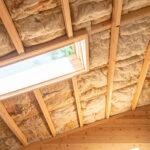
- Fiberglass batts: R-2.9 to R-3.8 per inch. Easy to install, widely available, and cost-effective.
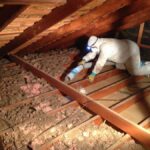
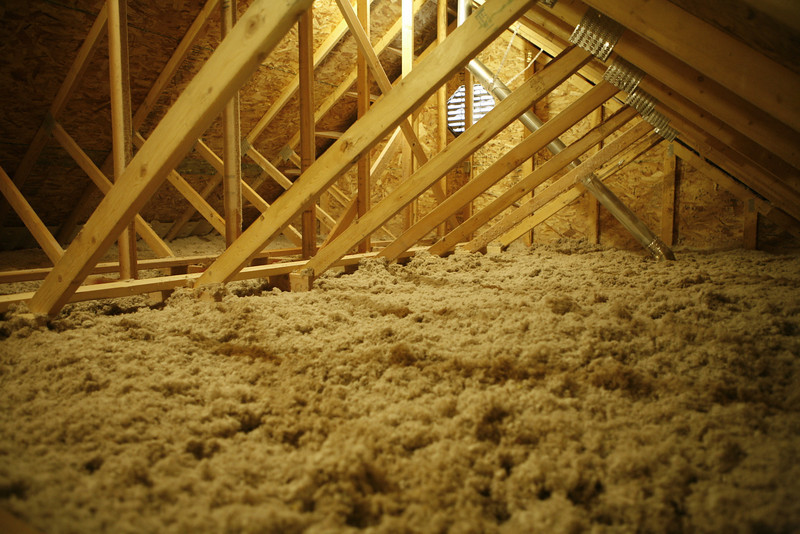
- Blown-in fiberglass: R-2.2 to R-2.9 per inch. Good for filling irregular spaces and adding to existing insulation.
- Cellulose: R-3.2 to R-3.8 per inch. Made from recycled materials, effective for dense packing and air sealing.
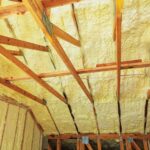
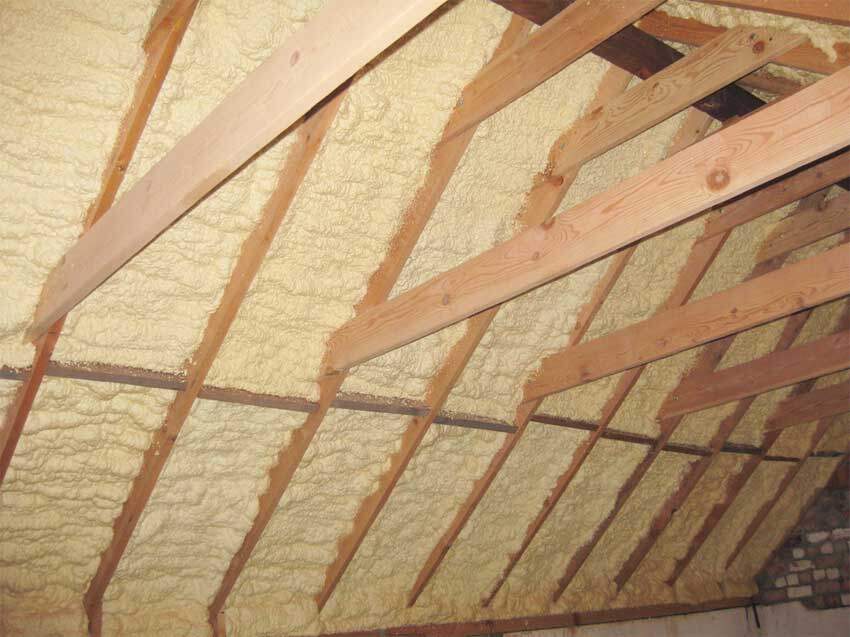
- Spray foam: R-3.5 to R-6.5 per inch. Provides both insulation and air sealing, but is more expensive and typically requires professional installation.
- Mineral wool: R-3.0 to R-3.3 per inch. Fire-resistant and moisture-resistant, suitable for specialized applications.
The total R-value you achieve depends on both the material and the thickness installed. Combining different types (for example, adding blown-in insulation over batts) can help reach your target R-value.
How to Assess Your Current Attic Insulation
Before upgrading, it’s important to determine what’s already in place. Here’s how to check your attic’s insulation level:
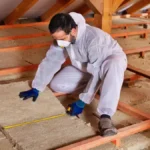
- Access the attic safely. Use proper lighting and walk only on joists or boards to avoid damaging ceilings below.
- Identify the type of insulation. Look for batts, loose fill, or spray foam.
- Measure the depth. Use a ruler or tape measure to check the thickness in several spots.
- Calculate the R-value. Multiply the depth (in inches) by the R-value per inch for your insulation type.
If your calculated R-value is below the recommended level for your region, consider adding more insulation or replacing old, compressed material.
Benefits of Upgrading Attic Insulation
Investing in proper attic insulation offers several advantages:
- Lower energy bills: Improved thermal resistance reduces heating and cooling costs.
- Increased comfort: More consistent indoor temperatures and fewer drafts.
- Moisture control: Proper insulation helps prevent condensation and mold growth.
- Extended roof life: Reduces ice dam formation and protects roofing materials.
- Environmental impact: Lower energy use means a smaller carbon footprint.
For homes in extreme climates, specialized insulation strategies can make a significant difference. You can learn more about roof insulation for hot climates or roof insulation for cold climates to tailor your approach.
Common Mistakes to Avoid When Insulating Your Attic
Even with the best intentions, homeowners can make errors that reduce the effectiveness of their attic insulation. Here are some pitfalls to watch for:
- Ignoring air leaks: Insulation works best when combined with proper air sealing. Gaps around pipes, wiring, and attic hatches can let conditioned air escape.
- Blocking ventilation: Soffit vents and ridge vents must remain clear to prevent moisture buildup and roof damage.
- Compressing insulation: Storing items on top of insulation reduces its R-value and overall performance.
- Using the wrong material: Not all insulation types are suitable for every attic. Consider fire resistance, moisture tolerance, and compatibility with your roof structure.
For additional tips on preventing condensation and moisture issues, see our article on roof insulation and condensation prevention.
How to Upgrade Attic Insulation for Maximum R-Value
If you’re planning a DIY upgrade, follow these steps for best results:
- Seal air leaks first. Use caulk or spray foam to close gaps around fixtures, pipes, and attic access points.
- Install baffles at eaves. These maintain airflow from soffit vents and prevent insulation from blocking ventilation paths.
- Add insulation in layers. Lay new material perpendicular to existing batts for better coverage, or blow in loose fill for even distribution.
- Check for code compliance. Verify that your project meets local building codes and recommended R-values.
- Protect against moisture. In humid climates, consider vapor barriers or moisture-resistant materials.
If you’re unsure about the best approach, consult a professional insulation contractor for a thorough assessment and installation.
Frequently Asked Questions
How do I know if my attic insulation needs to be replaced?
Signs that your attic insulation may need replacement include uneven temperatures in your home, high energy bills, visible gaps or thinning insulation, and evidence of moisture or pest damage. If your insulation is old, compressed, or below recommended R-values, upgrading can improve comfort and efficiency.
Can I add new insulation over existing material?
Yes, in most cases you can add new insulation over old material as long as it is dry, free of mold, and not compressed. Avoid covering insulation that is wet or damaged, as this can lead to further problems. Combining different types, such as adding blown-in insulation over batts, is a common way to boost R-value.
What is the most cost-effective way to improve attic insulation?
The most affordable approach is often to air seal your attic first, then add loose-fill or batt insulation to reach the recommended R-value for your climate. DIY installation can save on labor costs, but professional help may be needed for spray foam or complex projects.
Does attic insulation help with moisture control?
Properly installed insulation, combined with air sealing and adequate attic ventilation, can help prevent condensation and moisture buildup. This reduces the risk of mold growth and structural damage. For more details, refer to our resource on roof insulation for energy efficiency.