


Understanding attic insulation and its R-value is essential for homeowners looking to improve energy efficiency and comfort. The R-value measures how well insulation resists heat flow, directly impacting how much energy your home uses for heating and cooling. A higher R-value means better thermal resistance, which can translate to lower utility bills and a more comfortable living environment. This article breaks down what R-value means, why it matters, and how to choose the right insulation for your attic.
If you’re interested in a deeper dive into the science behind insulation, you might find how does attic insulation work helpful for understanding the mechanisms at play.
What Is R-Value and Why Does It Matter?
The R-value is a standardized measurement used to indicate an insulation material’s resistance to heat flow. The higher the number, the better the material is at insulating. In the context of attics, this value is crucial because heat naturally rises, making the attic a primary area for energy loss in most homes.
When you see the phrase attic insulation R-value explained, it refers to understanding how this rating affects your home’s energy performance. Insulation with a higher R-value slows the transfer of heat between your living space and the outdoors, keeping your home warmer in winter and cooler in summer.
How R-Value Affects Attic Efficiency
The efficiency of your attic insulation is directly tied to its R-value. Insufficient insulation or using materials with a low R-value can lead to higher energy bills, uneven temperatures, and increased strain on your HVAC system. Conversely, properly rated insulation helps maintain consistent indoor temperatures and reduces the workload on heating and cooling equipment.
The recommended R-value for attics varies by climate zone. In colder regions, a higher R-value is necessary to prevent heat loss, while milder climates may require less. For example, the U.S. Department of Energy suggests R-38 to R-60 for attics in northern states and R-30 to R-49 in southern areas.
Types of Insulation and Their R-Values
Different insulation materials offer varying R-values per inch. Understanding these differences helps you select the right product for your attic. Here are some common types:
- Fiberglass batts: One of the most popular options, offering an R-value of about 2.9–3.8 per inch.
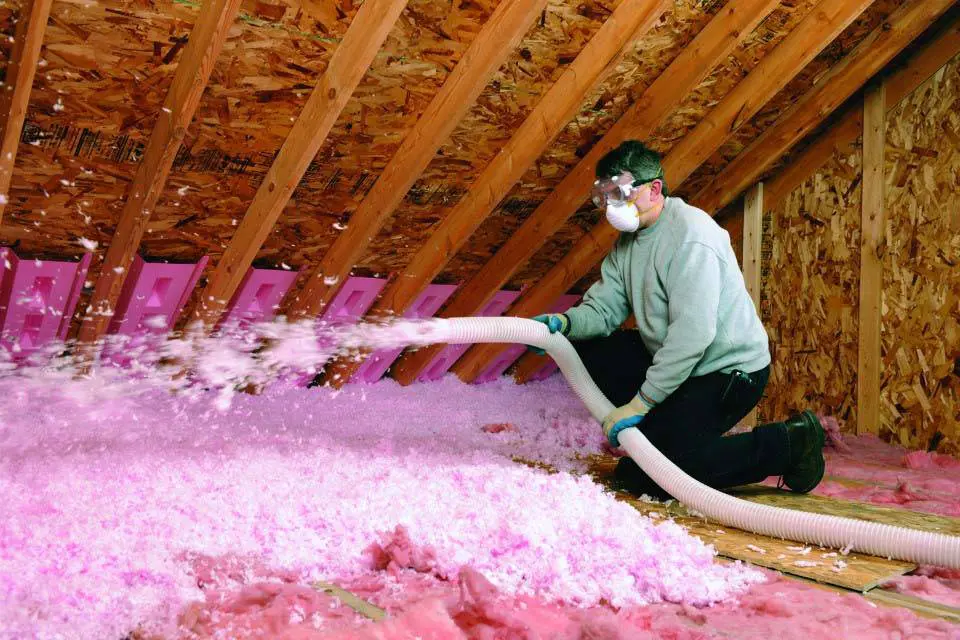
- Blown-in cellulose: Made from recycled paper, this type provides an R-value of 3.2–3.8 per inch.
- Spray foam: Closed-cell spray foam delivers a high R-value of 6–7 per inch, while open-cell is around 3.5–3.6 per inch.
- Mineral wool: Offers an R-value of 3.0–3.3 per inch and is known for its fire resistance.
The total R-value you achieve depends on both the material and the thickness of the insulation layer. For a more detailed look at the options, see this guide on types of attic insulation.
Choosing the Right R-Value for Your Attic
Selecting the ideal R-value for your attic depends on several factors:
- Climate zone: Colder climates require higher R-values to prevent heat loss.
- Existing insulation: If your attic already has some insulation, you can add more to reach the recommended level.
- Budget: Higher R-value materials may cost more upfront but can lead to greater energy savings over time.
- Space limitations: Some attics have limited headroom, making high-R-value, thin materials like spray foam a practical choice.
Always check local building codes and energy efficiency recommendations for your region before making a decision.

Benefits of Proper Attic Insulation
Installing insulation with the correct R-value brings several advantages:
- Lower energy bills: Improved thermal resistance means your heating and cooling systems run less often.
- Consistent comfort: Proper insulation helps maintain even temperatures throughout your home.
- Reduced environmental impact: Using less energy lowers your carbon footprint.
- Increased home value: Energy-efficient upgrades are attractive to potential buyers.
For a full overview of the advantages, explore the benefits of attic insulation and how they contribute to both comfort and savings.
How to Check and Upgrade Your Attic Insulation
Assessing your attic’s current insulation is straightforward. Look for uneven coverage, compressed material, or signs of moisture. If the insulation is below the recommended depth for your area, it’s time to add more or upgrade to a higher R-value product.
- Measure the depth of existing insulation and compare it to local guidelines.
- Identify any gaps, voids, or areas with visible joists.
- Decide whether to add more of the same type or switch to a material with a higher R-value.
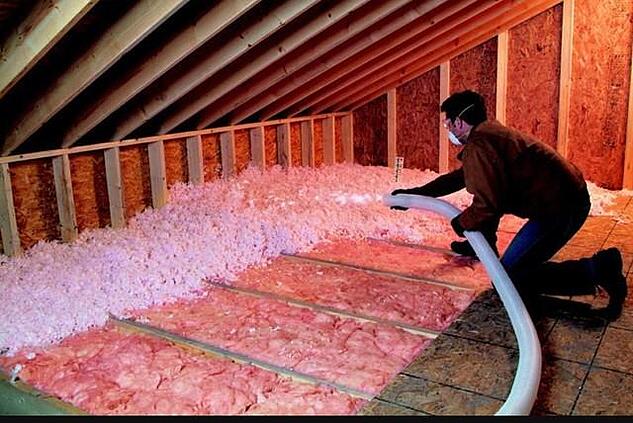
- Consider professional installation for spray foam or blown-in products to ensure even coverage.
Upgrading your attic insulation is one of the most cost-effective ways to improve energy efficiency. For more on how this upgrade impacts your energy use, see how attic insulation saves energy.
Common Myths About R-Value and Attic Insulation
There are several misconceptions about R-value and its role in attic insulation:
- Myth: “More is always better.” While higher R-values provide more resistance, there is a point of diminishing returns. Over-insulating can be unnecessary and costly.
- Myth: “All insulation materials perform the same.” Different products have unique R-values and properties, so material choice matters.
- Myth: “Insulation alone is enough.” Air sealing and proper ventilation are also crucial for optimal attic performance.
FAQ: Attic Insulation and R-Value
What does R-value actually measure?
R-value measures an insulation material’s resistance to heat flow. The higher the R-value, the better the material is at slowing heat transfer, which helps keep your home comfortable and energy efficient.
How do I know if my attic insulation needs to be upgraded?
Signs that your attic may need more or better insulation include uneven temperatures in your home, high energy bills, visible joists, or insulation that is below the recommended depth for your region. It’s a good idea to inspect your attic periodically and compare the current insulation to local energy guidelines.
Can I mix different types of insulation in my attic?
Yes, you can layer different types of insulation, such as adding blown-in cellulose over existing fiberglass batts. Just make sure the total R-value meets or exceeds local recommendations and that the materials are compatible.


