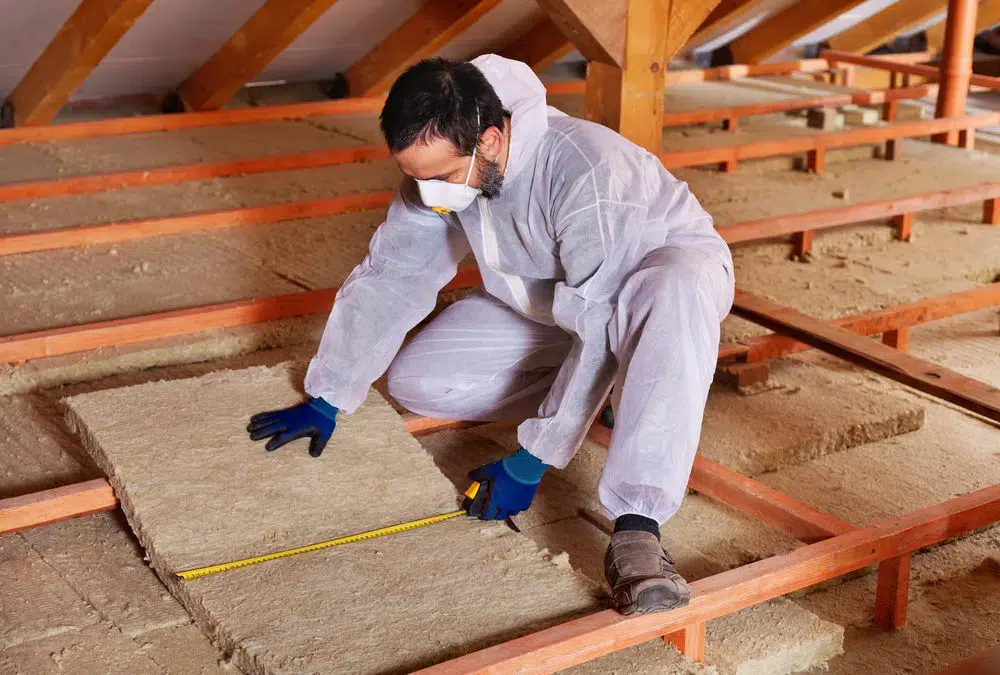
A well-insulated attic is one of the most effective ways to enhance a home’s comfort, energy efficiency, and overall value. Many homeowners overlook the importance of proper insulation above the ceiling, but the attic is a critical barrier between your living space and the elements. By focusing on attic insulation home performance strategies, you can significantly reduce utility bills, maintain consistent indoor temperatures, and even extend the life of your roof and HVAC system.
In this guide, we’ll explore how insulation in the attic impacts your home’s thermal envelope, the benefits it brings, and practical steps for assessing and improving your setup. Whether you’re dealing with hot summers, cold winters, or fluctuating humidity, optimizing this space pays off in comfort and savings.
For those interested in related topics, understanding roof insulation and moisture control can further boost your home’s resilience and efficiency.
The Role of Attic Insulation in Energy Efficiency
Insulation in the attic acts as a thermal barrier, slowing the transfer of heat between your living space and the outdoors. In summer, it helps keep cool air inside, while in winter, it prevents warm air from escaping. This simple layer of protection can have a profound effect on your home’s energy consumption.
According to the U.S. Department of Energy, up to 25% of a home’s energy loss occurs through the attic. By improving attic insulation home performance, you can reduce the workload on your heating and cooling systems, leading to lower energy bills and a smaller carbon footprint.

Properly installed insulation also helps maintain a more consistent indoor temperature throughout the year. This means fewer drafts, less reliance on space heaters or fans, and a more comfortable living environment for everyone in the home.
Types of Attic Insulation and Their Impact
There are several materials commonly used to insulate attics, each with unique properties and benefits. Choosing the right type depends on your climate, budget, and the structure of your home.
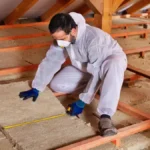
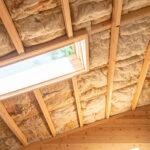
- Fiberglass batts or rolls: Widely available and cost-effective, these are easy to install between joists and rafters. They offer good thermal resistance but must be installed carefully to avoid gaps.
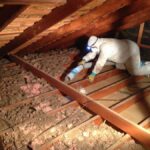
- Blown-in cellulose: Made from recycled paper, this loose-fill option is ideal for filling irregular spaces and adding insulation over existing layers. It provides excellent coverage and air sealing.
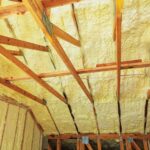
- Spray foam: Expands to fill every nook and cranny, creating an air-tight seal. While more expensive, spray foam delivers superior performance in both insulation and air sealing.
- Rigid foam boards: Useful for specific applications, such as insulating attic access doors or creating a continuous barrier along the roofline.
The effectiveness of each material is measured by its R-value, which indicates resistance to heat flow. Higher R-values mean better insulation. Local building codes often specify minimum R-values for attics, so it’s important to check requirements in your area.
How Proper Insulation Enhances Home Comfort
Upgrading your attic’s insulation does more than just lower energy costs. It also improves the overall comfort of your living spaces. Rooms directly below the attic are often the first to experience temperature swings, drafts, or even moisture issues if insulation is lacking.
By optimizing attic insulation home performance, you can:
- Reduce hot and cold spots throughout the house
- Minimize drafts and air leaks
- Prevent ice dams and moisture buildup in colder climates
- Lower the risk of mold growth and structural damage
- Enhance indoor air quality by blocking dust and allergens
These improvements contribute to a healthier, quieter, and more enjoyable home environment.
Assessing Your Attic’s Current Insulation
Before making upgrades, it’s important to evaluate your attic’s existing insulation. Look for signs of inadequate coverage, such as visible joists, uneven layers, or compressed material. Insulation that has settled or become damp over time loses effectiveness and should be replaced.
You can measure the depth of insulation with a ruler and compare it to recommended levels for your region. If you notice drafts, fluctuating temperatures, or high energy bills, these are strong indicators that your attic needs attention.
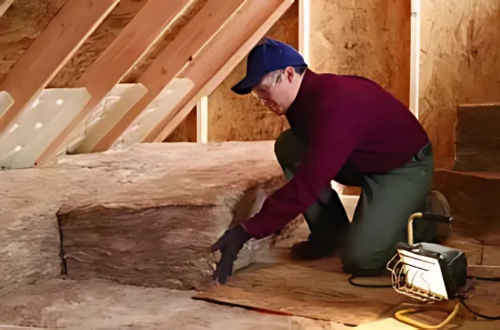
In some cases, a professional energy audit can help identify hidden issues, such as air leaks or insufficient ventilation, that impact the effectiveness of your insulation.
Steps to Improve Attic Insulation and Home Performance
Enhancing the insulation in your attic doesn’t have to be overwhelming. Here’s a step-by-step approach to get the best results:
- Inspect and seal air leaks: Use caulk or spray foam to seal gaps around pipes, vents, and electrical fixtures before adding new insulation.
- Choose the right material: Select insulation that matches your climate, budget, and attic structure. Consider combining materials for optimal performance.
- Install to the correct depth: Follow local guidelines for minimum R-values and ensure even coverage across the entire attic floor.
- Maintain proper ventilation: Adequate airflow prevents moisture buildup and helps insulation perform at its best.
- Check access points: Insulate attic doors and hatches to prevent heat loss in these often-overlooked areas.
For those living in extreme climates, exploring roof insulation for hot climates or roof insulation for cold climates can offer additional insights into maximizing your home’s efficiency.
Long-Term Benefits of Upgrading Attic Insulation
Investing in better insulation yields returns that go beyond immediate energy savings. Over time, you’ll notice:
- Lower utility bills: Reduced heating and cooling costs can quickly offset the initial investment.
- Extended HVAC lifespan: With less strain on your heating and cooling systems, you’ll experience fewer breakdowns and longer equipment life.
- Increased property value: Energy-efficient homes are more attractive to buyers and often command higher prices.
- Environmental benefits: Using less energy means a smaller carbon footprint and a positive impact on the environment.
Regularly checking and maintaining your attic’s insulation ensures these benefits continue for years to come.
FAQ: Attic Insulation and Home Performance
How do I know if my attic insulation needs to be replaced?
Signs that your attic insulation may need replacement include visible joists, uneven or compressed material, evidence of moisture or mold, and persistent drafts or temperature fluctuations in your home. High energy bills can also indicate that your insulation is no longer effective.
Can I add new insulation over old insulation?
In most cases, you can add new insulation over existing material as long as the old insulation is dry and free from mold or pests. However, if the existing insulation is wet, moldy, or damaged, it should be removed before adding new layers to ensure optimal performance.
What is the recommended R-value for attic insulation?
The recommended R-value for attic insulation varies by climate zone. In colder regions, higher R-values (R-49 to R-60) are suggested, while milder climates may require R-30 to R-38. Always check local building codes for specific requirements in your area.
Does attic insulation help with moisture control?
Yes, proper insulation combined with adequate ventilation helps prevent condensation and moisture buildup in the attic. This reduces the risk of mold growth and structural damage. For more details, see our article on roof insulation and moisture control.