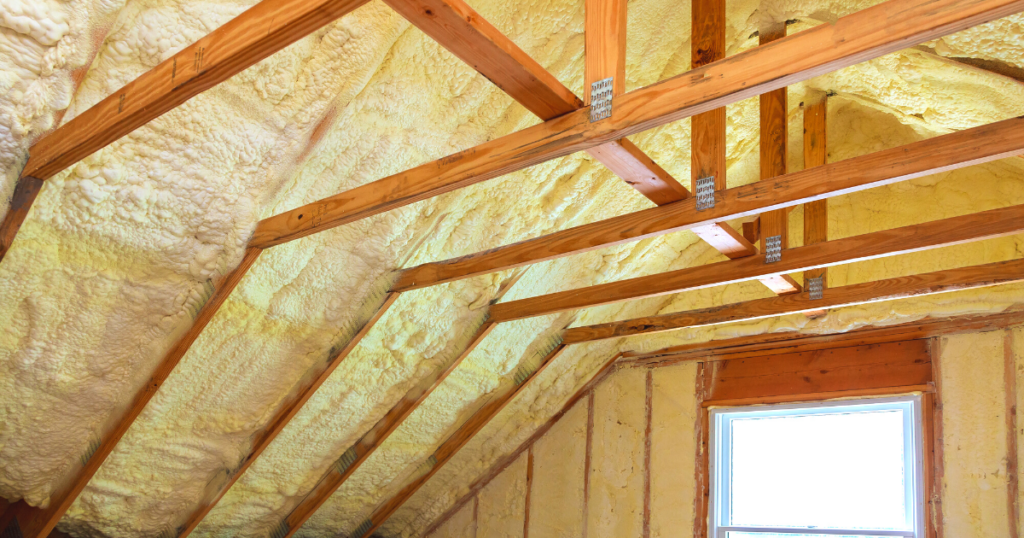
Many homeowners focus on energy savings when considering upgrades to their attic, but the attic insulation health benefits extend far beyond just reducing utility bills. A well-insulated attic can significantly improve indoor air quality, minimize allergens, and help maintain a comfortable, healthy living environment year-round. Understanding how insulation impacts your well-being can help you make informed decisions about home improvements that benefit both your family and your property.
In addition to comfort and efficiency, the right insulation materials and installation techniques can prevent moisture problems, reduce exposure to pollutants, and even support better respiratory health. For those living in regions with extreme temperatures, the positive effects on daily life are even more pronounced. If you’re interested in learning more about related topics, you might find roof insulation and moisture control especially useful as it covers essential strategies for keeping your home dry and healthy.
Why Attic Insulation Matters for Your Health
Insulation in the attic acts as a barrier, controlling the flow of heat and cold between your home and the outdoors. However, its benefits go deeper than temperature regulation. Properly installed insulation helps to:
- Reduce airborne pollutants by sealing gaps that allow dust, pollen, and outdoor contaminants to enter.
- Prevent mold and mildew by minimizing moisture buildup, which can trigger allergies and respiratory issues.
- Maintain consistent indoor temperatures, reducing the risk of heat stress or cold-related health concerns.
- Lower noise levels from outside, contributing to a quieter, more restful environment.
Improved Air Quality and Allergen Control
One of the most significant attic insulation health benefits is improved air quality. Gaps and cracks in the attic can allow dust, pollen, and even pests to enter your living space. High-quality insulation, especially when paired with proper air sealing, helps block these contaminants. This is particularly important for households with children, seniors, or anyone with asthma or allergies.
By reducing the influx of outdoor pollutants, insulation supports a cleaner indoor environment. This can lead to fewer allergy flare-ups, less irritation of the eyes and throat, and a general improvement in respiratory health. Additionally, insulation helps keep humidity levels in check, which further discourages the growth of dust mites and other allergens.
Moisture Management and Mold Prevention
Moisture is a common problem in attics, especially in climates with high humidity or significant temperature swings. When warm, moist air rises and meets a cold attic surface, condensation can form. Over time, this creates the perfect environment for mold and mildew, which are known to cause a range of health problems, from mild allergic reactions to more serious respiratory conditions.
Proper insulation acts as a barrier, reducing the risk of condensation and subsequent mold growth. This not only protects your home’s structure but also safeguards your family’s health. For more detailed strategies on managing moisture, the article on roof insulation and moisture control provides valuable insights into keeping your attic dry and mold-free.
Temperature Stability and Comfort
Maintaining a stable indoor temperature is more than just a comfort issue—it’s a health concern. Extreme heat or cold can put stress on the body, particularly for vulnerable individuals. Proper attic insulation helps keep your home’s temperature consistent, reducing the risk of heat exhaustion during summer and hypothermia in winter.
Consistent temperatures also mean your HVAC system doesn’t have to work as hard, which can improve air circulation and reduce the spread of airborne irritants. This creates a more comfortable and healthier living space for everyone.
Noise Reduction and Mental Well-Being
While often overlooked, noise pollution can have a real impact on your health. Attic insulation helps dampen sounds from outside, such as traffic, storms, or neighborhood activity. A quieter home environment supports better sleep, reduces stress, and contributes to overall mental well-being.
For those working from home or raising young children, the reduction in noise can make a noticeable difference in daily life. Insulation acts as a buffer, creating a peaceful retreat from the outside world.
Choosing the Right Insulation for Maximum Health Benefits
Not all insulation materials are created equal when it comes to health. Some older products, like certain types of fiberglass or vermiculite, may contain irritants or even asbestos. Modern options, such as cellulose, spray foam, and mineral wool, are designed to be safer and more effective at blocking contaminants.
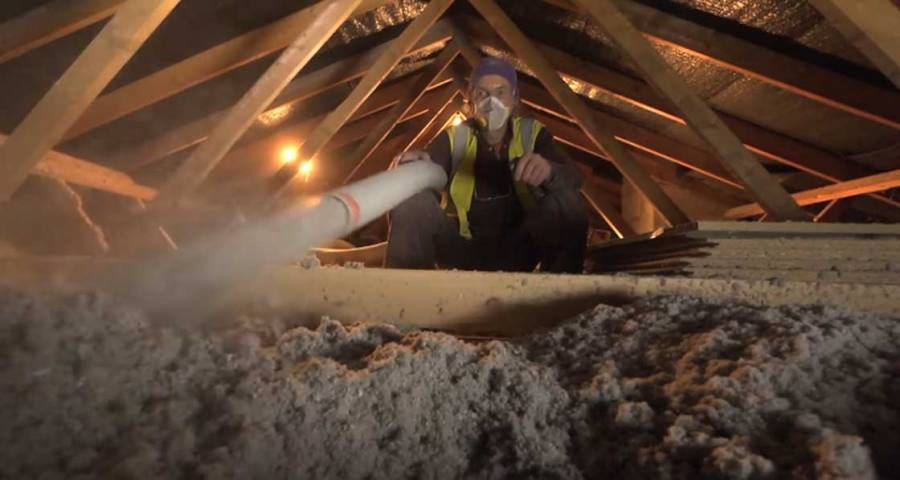
- Cellulose insulation is made from recycled paper and treated to resist mold and pests.
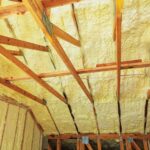
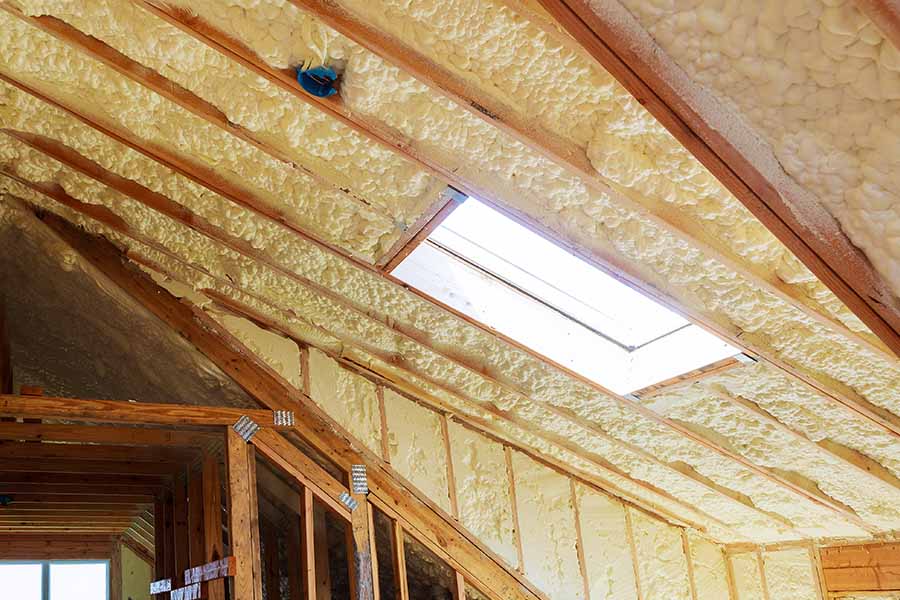
- Spray foam creates an airtight seal, blocking moisture and allergens.
- Mineral wool is naturally fire-resistant and does not support mold growth.
When upgrading your attic, consult with a professional to choose materials that are both effective and safe for your household. Proper installation is just as important as the product itself to ensure you get the full range of health advantages.
Energy Efficiency and Its Indirect Health Effects
While the main focus here is on direct health improvements, it’s worth noting that energy efficiency also plays a role. Lower energy use means less strain on your heating and cooling systems, which can reduce the risk of carbon monoxide leaks and improve overall air quality. Efficient homes are also less prone to drafts and cold spots, further supporting a healthy indoor environment.
For those interested in optimizing their home for energy savings while maintaining a healthy space, resources like roof insulation for better home energy efficiency offer practical advice tailored to various climates and home types.
Frequently Asked Questions
How does attic insulation help with allergies and asthma?
By sealing gaps and blocking the entry of dust, pollen, and other allergens, insulation helps create a cleaner indoor environment. This can reduce the frequency and severity of allergy and asthma symptoms, especially when combined with proper ventilation and air filtration.
Can attic insulation prevent mold growth?
Yes, effective insulation reduces moisture buildup by preventing warm, humid air from condensing in the attic. This limits the conditions that promote mold and mildew, which are known triggers for respiratory issues and allergic reactions.
Is it necessary to replace old insulation for health reasons?
In some cases, old insulation can harbor mold, pests, or even hazardous materials like asbestos. If you notice musty odors, visible mold, or have concerns about the materials used in your attic, it’s wise to consult a professional for an assessment and possible replacement.
What type of insulation is best for health-conscious homeowners?
Materials like cellulose, spray foam, and mineral wool are generally considered safe and effective for improving indoor air quality and controlling moisture. The best choice depends on your home’s specific needs and climate, so professional guidance is recommended.
Conclusion
Investing in proper attic insulation is about more than just saving money on energy bills. The attic insulation health benefits include better air quality, reduced allergens, moisture control, and a quieter, more comfortable home. By choosing the right materials and ensuring professional installation, you can protect your family’s health and enjoy a safer, more pleasant living environment for years to come.